From smartwatches on our wrists to discreet trackers clipped to our clothes, wearable technology has become a common part of modern life. These devices have evolved far beyond simple step counters, transforming into powerful tools that offer deep insights into our personal well-being. They provide a unique opportunity to monitor not just our fitness but also our overall health and safety, empowering us to take a more proactive role in our daily lives.
The Rise of Health Wearables
What was once a niche gadget for tech enthusiasts and serious athletes is now a mainstream consumer product. The rapid growth of wearable technology is fueled by smaller, more powerful sensors and sophisticated software that can interpret complex biological data. These innovative healthcare solutions have made it easier than ever for individuals to access personal health metrics previously only available in a clinical setting. This accessibility lets you track trends, notice changes, and understand how your lifestyle choices affect your body over time. The result is a more informed and engaged approach to personal health management.
Tracking Fitness and Vital Signs
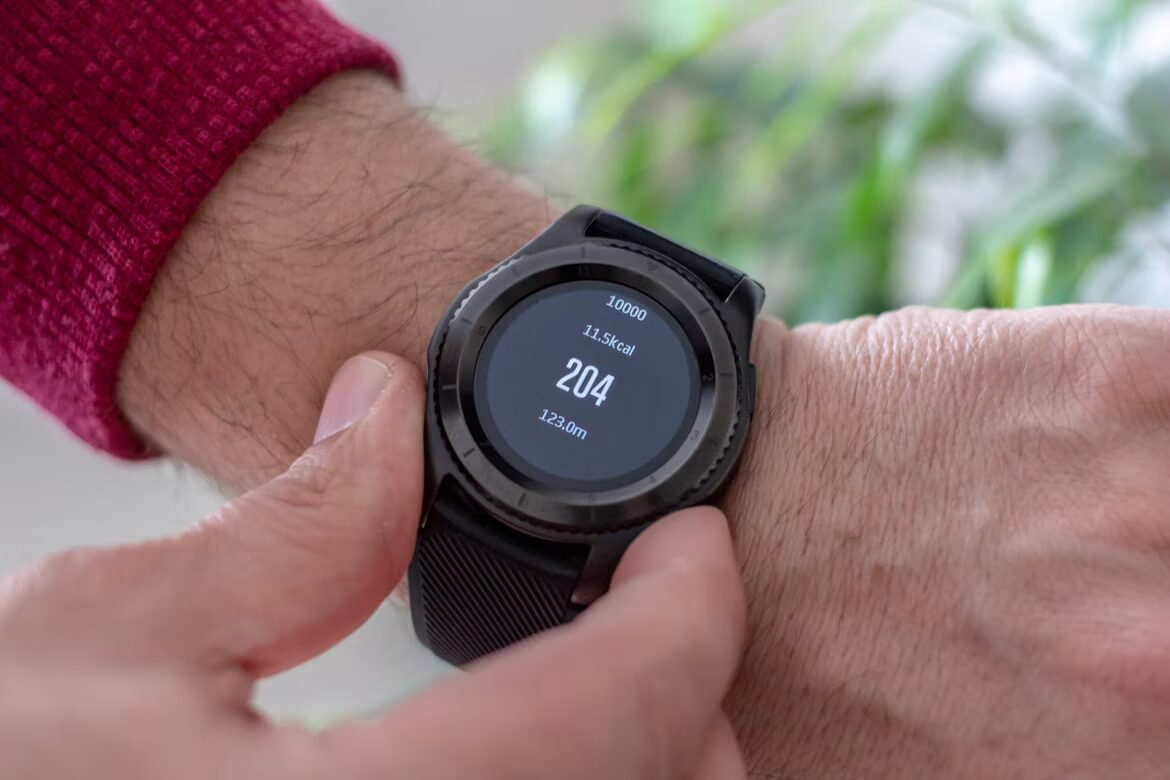
Most wearables are designed to monitor physical activity. They track metrics like steps taken, distance covered, and calories burned, motivating users to stay active throughout the day. However, modern devices go much further. Many now include advanced sensors to monitor vital signs, providing a more complete picture of your health. Key features often include:
- Heart Rate Monitoring: Continuous tracking can alert you to irregularities and show how your heart responds to both exercise and stress.
- Sleep Tracking: By analyzing your sleep stages, wearables can help you understand your sleep quality and identify habits that might be disrupting your rest.
- Blood Oxygen (SpO2) Levels: This feature measures the oxygen saturation in your blood, which can be a useful indicator of respiratory health.
These data points combine to create a detailed daily record, offering ways wearable technology can help you identify patterns and make positive changes.
Beyond Fitness: Safety Applications
While fitness tracking is a major draw, the safety applications of wearable technology are becoming increasingly important, particularly for older adults or individuals living with chronic health conditions. Many smartwatches now come equipped with features like automatic fall detection, which can sense a hard impact and initiate a call to emergency services if the user is unresponsive. GPS functionality also allows family members or caregivers to know the user's location, providing another layer of security.
For those who need a dedicated safety solution, specialized devices offer focused support. A system like a life alert from Life Assure provides a simple and reliable way to call for help in an emergency. These devices are designed for one primary purpose: to connect you with assistance quickly, whether at home or on the go.
Choosing the Right Device
With so many options on the market, selecting the right wearable can feel overwhelming. The best device for you depends entirely on your individual needs and goals. Before making a purchase, consider what you want to achieve. Are you training for a marathon, trying to improve your sleep, or looking for a reliable safety net?
To narrow down your choices, think about these key factors:
- Primary Goal: Is your main focus on fitness, general health insights, or emergency support?
- Must-Have Features: Do you need GPS, fall detection, or specific health-tracking sensors?
- Battery Life: How often are you willing to charge your device? Some last a day, while others can go for a week or more.
- Comfort and Design: You'll be wearing it daily, so it needs to be comfortable and fit your personal style.
Defining your priorities first helps you find a device that seamlessly integrates into your life and provides the specific support you need.
Wearable technology gives us an unprecedented window into our own health and activity. More than just a gadget, the right device can be a valuable partner in managing your well-being and maintaining your independence.