

[[ZAPIMG0]]
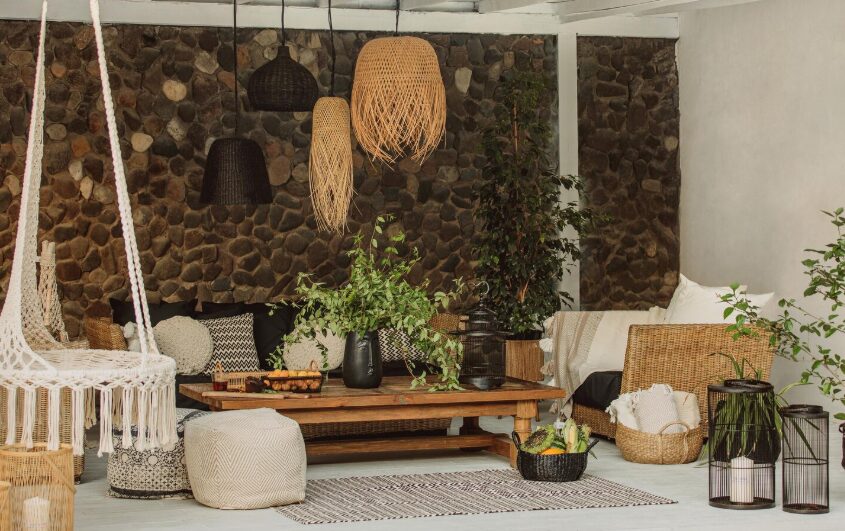
Something real is shifting in how Americans decorate their homes. Walk into any well-loved living room these days, and you'll notice it-less plastic, fewer synthetics, more wood, stone, jute, and linen showing up in places they haven't been in years. This isn't some influencer-driven phase. People are genuinely craving spaces that feel honest and grounded.
The numbers back this up hard. Among U.S. consumers, 89% prefer cotton for bath towels, 85% for comforters, and 79% for bed sheets-clear proof that the pull toward natural materials in home decor runs much deeper than aesthetics. It's almost instinctual at this point.
The Cultural Shift Bringing Nature Back Into Our Homes
It started quietly, honestly. A reclaimed wood shelf here. A wool throw tossed over an armchair there. Then something accelerated-and now people aren't just decorating spaces; they're making deliberate choices about everything they bring through the front door.
What's Actually Driving This?
Environmental anxiety is a huge piece of it. Climate conversations stopped living only in news cycles and moved right into our living rooms. Choosing natural materials for home decor has become a daily, tangible act of caring about something bigger than yourself.
Then there's the health angle. After years of spending more time indoors-especially post-pandemic-people got genuinely sensitive to what surrounds them. Nobody wants materials off-gassing chemicals or harboring allergens in the space they're supposed to feel safe in.
Adding a natural-fiber statement piece to your room, like one of City Home's beautifully curated large rugs, immediately anchors a space with texture and warmth while setting a genuinely organic tone throughout.
Real Benefits You Actually Notice Day-to-Day
This is where things get exciting. Modern home decorating trends built around natural materials aren't just pretty-they deliver measurable advantages for your health, your home's character, and the planet you're living on.
Better Air Quality Without Even Trying
Wool, cotton, and jute don't trap pollutants the way synthetic fibers notoriously do. Organic fibers in area rugs and upholstered pieces can actually support better air circulation in a room. Natural textiles also resist static buildup, which means fewer airborne particles drifting around. Subtle? Sure. But over time, especially if you're sensitive to indoor air quality, it adds up to something you genuinely feel.
A Look That Actually Ages Well
Stone, bamboo, clay, wood-each carries its own visual personality. Organic materials in interior design don't just look great on day one. They age beautifully, developing patina and character that synthetic alternatives simply can never fake. That worn-in quality on a hardwood floor or a clay-finished wall? You can't replicate it with a plastic panel.
Environmental Responsibility You Can Actually Stand Behind
Locally sourced wood, responsibly harvested jute, recycled stone-these choices reduce carbon footprints significantly compared to manufactured alternatives. Many eco-friendly decor ideas now align with LEED green certification standards, meaning your design choices carry real, third-party validated environmental credibility. Not just marketing language. Actual validation.
Where Natural Materials Are Showing Up Right Now
Statement Rugs and Natural Fiber Floor Coverings
Few things transform a room faster than the right rug. Jute, sisal, and wool rugs don't merely cover floors-they establish the entire emotional tone of a space. Research confirms a statistically significant link between environmental consciousness and purchase decisions related to natural interior elements, which explains why these pieces resonate so deeply with today's buyers. (bioresources.cnr.ncsu.edu)
For living rooms, a carefully chosen wool rug beautifully grounds furniture arrangements. Bedrooms benefit from softer jute or cotton blends-warmth underfoot without any harsh chemical treatments. If you're unsure where to start, browsing quality large rugs is genuinely one of the most impactful first moves you can make.
Reclaimed Wood and Handcrafted Wooden Elements
Reclaimed wood shelving, paneled accent walls, hand-turned wooden accessories-all of them are surging right now within modern home decorating trends. They bring a story into a room. An actual story. And no flat-pack alternative on the market can match that.
Stone, Clay, and Terracotta
Terracotta tiles, soapstone countertops, clay-finished walls-these are showing up in contemporary interiors with surprising sophistication. Here's the thing about these surfaces: they improve with age. That's genuinely not something you can say about laminate.
Living Green Walls and Indoor Plants
Biophilic design-connecting interiors with actual living nature-pairs beautifully with other natural materials. Snake plants, pothos, fiddle-leaf figs. They thrive indoors, complement any natural palette, and don't demand constant fussing. Life in your corners. Can't beat it.
Textiles and Upholstery
Linen, hemp, and organic cotton upholstery-beyond being eco-friendly decor ideas, these materials are genuinely more breathable and comfortable than synthetic counterparts. Layering textures-a linen sofa, a jute rug, a cotton throw-creates depth that feels intentionally curated rather than accidentally cluttered.
Innovative Ideas for a More Sustainable Home
Modular, Multi-Functional Natural Furniture
Space-saving furniture crafted from bamboo, solid oak, or cork pulls double duty without sacrificing an ounce of style. Modular shelving systems made from sustainable wood adapt as your home evolves-practical and long-lasting in equal measure.
Where Smart Homes Meet Natural Design
Sustainable design doesn't stop at materials. Smart lighting embedded within reclaimed wood panels, climate controls paired with natural stone walls-these are real features appearing in forward-thinking homes. Brands like Lutron and designers such as Kelly Wearstler have explored this intersection beautifully, proving sustainable home design and smart living aren't opposing ideas at all.
Artisan-Made Decor Worth Talking About
Fair-trade ceramics, hand-loomed textiles, artisan woodwork-these pieces carry stories that factory alternatives never will. Supporting independent makers transforms every purchase into something you'll actually want to explain to guests.
A Practical Room-by-Room Strategy
One word of honest advice here: restraint. Don't pile every natural material into a single room. Pick two or three and let them breathe.
Taking Care of What You've Invested in
Natural materials reward attention. Wood surfaces benefit from occasional oiling with beeswax or linseed oil. Stone countertops need pH-neutral cleaners and periodic sealing. For natural fiber rugs, gentle vacuuming and quick spot-treatment with mild soap and cold water handles most situations effectively.
Skip bleach-based or ammonia-heavy cleaners entirely-they degrade fibers and strip natural finishes fast. Plant-based cleaning products certified by EcoLogo or Green Seal keep your care routine as sustainable as your decor.
What's Coming Next in Sustainable Home Design
Cork is making a serious comeback-not just as flooring but as wall cladding and furniture. Mycelium (yes, actual mushroom-based material) is emerging as a legitimate insulation and decor product. Fast-growing bamboo keeps expanding into new categories. Recycled glass is appearing in countertops and decorative tiles with genuinely stunning results.
The most exciting development, honestly? Modern home decorating trends are beginning to merge ancient craft traditions with biotechnology-creating materials that are simultaneously deeply natural and remarkably forward-thinking.
Quick Answers to Common Questions
Do they work in all climates?
Absolutely, when properly sealed. Humid environments do best with teak, bamboo, or sealed stone.
How do I verify something is genuinely eco-friendly?
FSC for wood, GOTS for textiles, Greenguard for low chemical emissions. Third-party certification matters.
Which materials survive high-traffic areas?
Wool rugs, stone tile, sealed hardwood. Sisal and jute work well in moderate-traffic zones.
Are natural fiber rugs safe for allergy sufferers?
Wool naturally resists dust mites. Cotton and jute don't harbor allergens the way synthetic piles often do. Low-pile options, vacuumed regularly, work best.
Design for Today. Live Better Tomorrow.
Natural materials aren't fading. They're a return to something real-homes that breathe, age with grace, and reflect values you can actually stand behind. Whether you start with a single jute rug or reimagine an entire room with wood, stone, and linen, every choice moves you closer to a space that feels more alive. More honest. The materials surrounding you every single day shape not just how your home looks-they shape how it *feels* to exist inside it. That's worth getting right.











4 thoughts on “Why Natural Materials Are Trending Across Modern Home Decor”
Comments are closed.