

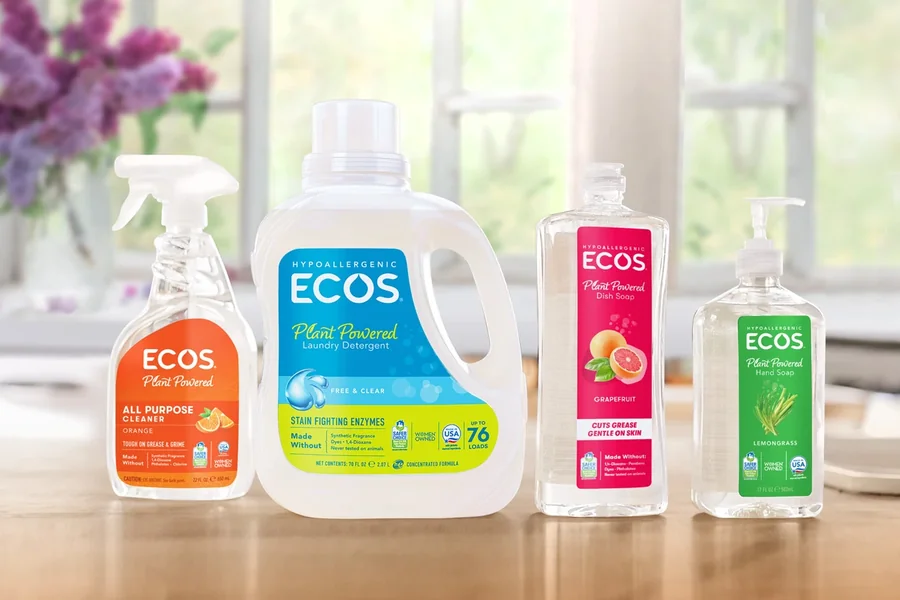
Choosing a safer cleaner should be simple, but the modern cleaning aisle can feel like a language test. Labels promise natural ingredients, fresh scents, plant power, reduced plastic, non-toxic formulas, and earth-friendly performance. Some of those claims are meaningful. Others are too vague to help a shopper understand what is actually inside the bottle or how the product affects people and the environment.
A practical buyer needs a better filter than packaging design. Sustainable cleaning is about ingredient transparency, safer chemistry, reduced waste, responsible packaging, effective performance, and correct use. A product that looks green but hides its ingredients or requires too much packaging may not be the best choice. A plain-looking cleaner with disclosed ingredients and a credible certification may be far more trustworthy.
Start With Ingredient Transparency
The first question to ask is simple: does the product clearly disclose what is in it? Labels that rely on broad categories such as fragrance, surfactant, dye, enzyme, or cleaning agent leave shoppers with incomplete information. Full disclosure does not guarantee perfection, but it gives consumers a way to evaluate what they are bringing into their homes.
Consumer Reports has covered Sustainable cleaning products through the lens of safer ingredients, clearer labeling, fragrance concerns, and independent certification. That kind of consumer-focused approach is helpful because sustainability is not just about whether a cleaner sounds gentle. It is about whether shoppers can understand the product well enough to make a confident decision.
If the packaging does not list ingredients, check the company website. Some brands publish more detail online, especially because ingredient disclosure rules in certain jurisdictions have pushed companies toward greater transparency. If a company makes strong safety claims but provides little information, treat that as a reason to keep looking.
Be Careful With Fragrance And Color
Fragrance is one of the most common reasons a cleaner feels pleasant, but it can also be one of the least transparent parts of a formula. A single fragrance listing may represent many components, and not all of them are obvious from the label. For people with asthma, allergies, migraines, sensitive skin, or small living spaces, fragrance-free products can be a smart default.
Color is similar. A bright blue, green, or pink liquid may look fresh, but dye usually does not improve cleaning power. It adds another ingredient category to consider. Choosing clear or dye-free products can simplify the decision, especially when two cleaners otherwise perform the same job.
This does not mean every scented or colored product is unsafe. It means those features should not be mistaken for performance, cleanliness, or sustainability. The product should earn trust through disclosure and usefulness, not just sensory appeal.
Look For Credible Certifications
Independent certifications can help cut through vague claims. EPA Safer Choice, Made Safe, Green Seal, and similar programs evaluate products against defined standards. They are not the only way to judge a cleaner, but they provide more substance than words like natural or eco-friendly on their own.
Certifications are especially useful when comparing products online, where shoppers cannot inspect labels easily. They also help people who do not want to research every ingredient individually. A credible seal is not a free pass, but it is a useful shortcut when combined with ingredient transparency and good product fit.
Be cautious with self-created badges that look official but are only part of a brand’s own marketing. If a seal is unfamiliar, look up who runs it, what it evaluates, and whether the standards are public.
Use Fewer Products More Wisely
Sustainable cleaning is not always about buying a new specialty product. Often, it means owning fewer cleaners and using them correctly. An all-purpose cleaner can handle many routine jobs. A separate disinfectant can be reserved for higher-risk situations such as raw food prep, illness, or bathroom contamination. Glass, laundry, and dishes may need their own formulas, but most homes do not need a different spray for every surface.
Using the right amount matters too. More product does not always mean cleaner surfaces. Overuse can leave residue, waste money, and increase exposure. Concentrates, tablets, and refill systems can reduce packaging, but only when users dilute them correctly and label bottles clearly.
Reusable tools also matter. Washable cloths, durable brushes, refillable bottles, and mop pads can reduce dependence on single-use wipes and paper towels. The environmental benefit grows when those items are actually reused over time.
Understand The Difference Between Cleaning And Disinfecting
Cleaning removes dirt, grease, and many germs. Disinfecting kills specific microorganisms under specific conditions. A product can be sustainable and still be used incorrectly if the user treats it as a magic shortcut.
Most everyday messes call for cleaning, not disinfecting. Disinfectants are valuable when there is a higher risk of germs, but they often require pre-cleaning and a wet contact time to work. That means the surface may need to stay visibly wet for the number of minutes listed on the label.
Choosing a gentler disinfecting active ingredient can be part of a safer routine, but instructions still matter. Gloves, ventilation, storage, and avoiding chemical mixing are basic protections no matter how friendly the label looks.
Think About Packaging And Life Cycle
A sustainable product should be judged beyond the formula. Packaging, shipping weight, concentration, refill availability, and disposal all play a role. A concentrated tablet shipped in a small package may have a lower packaging burden than a large bottle of mostly water. A refillable glass or metal container may reduce waste if it is durable and convenient enough to keep using.
At the same time, packaging claims can distract from formula concerns. A cleaner in recycled plastic is not automatically safer for indoor air. A plant-based ingredient is not automatically low impact if it is poorly sourced or processed. The best choice balances the formula, packaging, performance, and realistic use.
A simple rule helps: choose the product that does the job with the fewest unnecessary ingredients, the clearest disclosure, the least waste, and the most practical routine.
Conclusion
Sustainable cleaning products should make a home cleaner without adding avoidable confusion, exposure, or waste. Shoppers can make better choices by reading ingredient lists, favoring fragrance-free and dye-free options, checking independent certifications, using fewer products, and matching disinfectants to real risk.
Greenwashing works when consumers are forced to guess. Better decisions begin when brands provide clear information and households choose products based on transparency, performance, and long-term habits rather than label buzzwords alone.











1 thought on “How to Choose Sustainable Cleaning Products Without Falling for Greenwashing”
Comments are closed.