

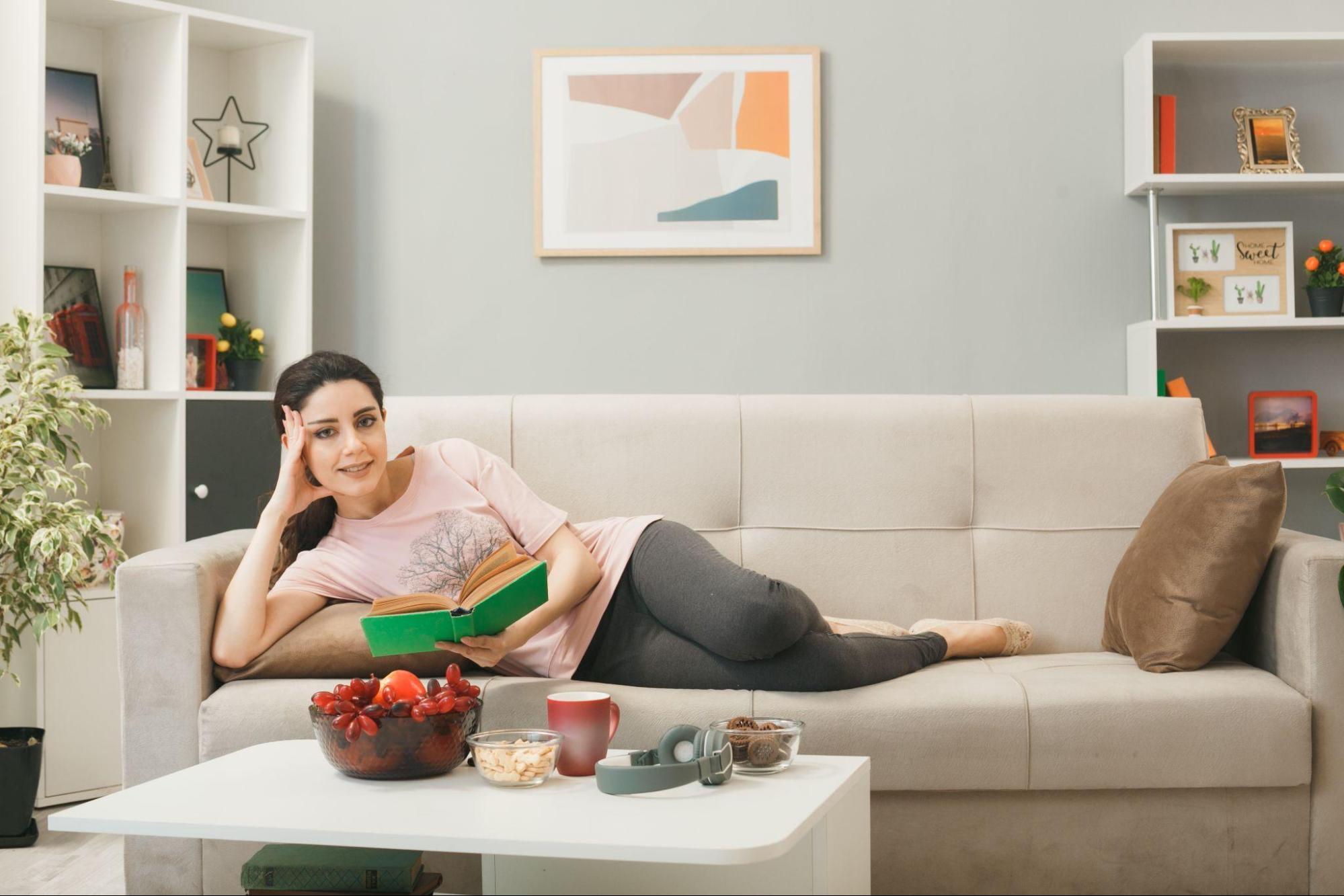
A small home can feel wonderfully cozy, or wildly frustrating, depending on how the space works for you. When shoes pile up by the door, cords snake across the floor, and every surface collects “just one more thing,” comfort disappears fast.
The upside? Better small home comfort does not require a renovation or a shopping spree. More than half of Americans living in small spaces say they feel cozy and comfortable rather than cramped, while 61% say small homes are easier to clean. With a few practical choices, your home can feel calmer, warmer, and far easier to enjoy.
Essential Strategies to Boost Small Home Comfort and Functionality
Before you think about new decor, start with the basics. A small home works best when movement feels easy, storage makes sense, and every item has a reason to be there.
Decluttering for a Calmer, Cozier Space
Clutter has a way of making a room feel smaller than it is. A clear tabletop, open walkway, and tidy entry can change the whole mood of your home.
Keep the process simple. Clear one surface before bed. Place a donation bag in a closet. Ask yourself whether each item still earns its space. You do not have to become a minimalist overnight. You just need fewer things competing for your attention.
Once the visual noise settles, your home feels easier to breathe in.
Smart Storage Solutions for Maximizing Small Spaces
Good storage should be convenient, not so hidden that you forget what you own. Wall shelves, over-door organizers, under-sofa bins, and lift-top tables can help you maximize small space without crowding the floor.
Comfort matters too. If you are creating a wellness corner, a premium massage chair can be a smart upgrade when the size, shape, and layout fit your room. Look for clean profiles and features that genuinely support relaxation, because large furniture needs to earn every inch.
The best storage does not just hold things. It makes daily life smoother.
Best Room Layouts To Make a Small Home Functional
Layout can make the difference between “small but charming” and “why am I always bumping into that table?” To make small home functional, divide your space into zones for resting, eating, working, or reading.
Try floating a sofa slightly off the wall if it improves traffic flow. Use rugs, lamps, or slim shelves to define areas without closing them in.
Even awkward corners can become useful when you give them a clear purpose.
Interior Design Tricks to Create a Cozy, Inviting Atmosphere
Once the layout works, bring in warmth. Lighting, color, texture, and a few thoughtful details can make a compact room feel like somewhere you actually want to linger.
Lighting That Brightens and Expands
One ceiling light rarely does a small room any favors. Layer your lighting instead. Use a soft overhead fixture, a task lamp for reading or work, and a warm accent light near plants, shelves, or art.
Place lamps in darker corners to make the room feel wider. Use sheer curtains or top-down shades so daylight can come in without giving up privacy.
Better lighting is one of the fastest ways to make a home feel bigger and kinder.
Color Schemes and Textures for Comfort
Light colors can open up a room, but that does not mean everything needs to be plain white. Warm beige, soft green, dusty blue, and muted clay tones add personality without making walls feel heavy.
Texture is just as important. A linen curtain, flat-weave rug, velvet pillow, or nubby throw can soften the space without adding bulk.
The goal is balance: airy, but not empty; warm, but not crowded.
Key Decor Elements That Instantly Add Comfort
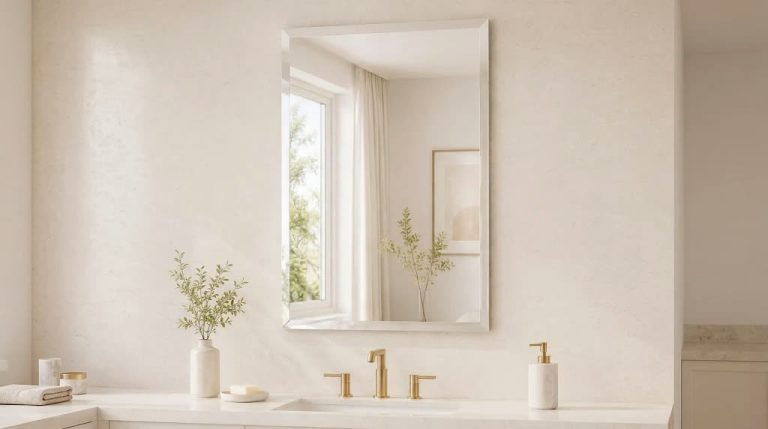
The best cozy small house tips often involve doing less, not more. Choose one larger piece of art instead of a cluster of tiny frames. Use mirrors where they reflect light, not clutter.
Plants help too. Pothos, snake plants, and small herbs near a sunny window add life without demanding much space. A candle, diffuser, or quiet playlist can also make the room feel settled after a long day.
Small details matter. Just keep them intentional.
Innovative Products That Transform Small Homes
Products cannot rescue a messy layout, but the right ones can make a small home work much harder. Choose flexible, compact, useful pieces, not gadgets that look clever once and annoy you forever.
Multi-Functional Furniture and Convertible Pieces
Convertible furniture is a small-home hero. A folding desk can disappear after work. Nesting tables can expand when guests arrive. A storage ottoman can hide blankets, hold a tray, and offer extra seating.
Expandable dining tables are especially useful because they stay compact on ordinary days. Modular seating lets you shift the room for movie night, quiet reading, or hosting friends.
Flexibility keeps a small home from feeling locked into one use.
Wellness Upgrades for Ultimate Small Home Comfort
Wellness upgrades do not have to be oversized. A slim air purifier, quiet humidifier, supportive pillow, or weighted blanket can make a bedroom or living space feel noticeably better.
In shared professional spaces, 89% of tenants report improvement in achieving their goals when space quality and function improve. The same idea applies at home. When your rooms support your body and habits, life feels less scattered.
A small home should not just be efficient. It should help you recover.
Smart Home Tech for Everyday Ease
Compact smart speakers, hidden charging stations, and smart plugs can reduce cord clutter and simplify routines. They are small upgrades, but they prevent the daily “where did the charger go?” hunt.
In the kitchen, choose multi-use tools over single-purpose gadgets. A compact air fryer, stick blender, or magnetic knife strip can save valuable counter and drawer space.
Smart tech works best when it removes friction instead of adding another thing to manage.
Expert Tips To Maximize Small Space Comfort
Small homes stay comfortable when they are edited regularly. The point is not to strip the place bare. It is to keep what serves you and remove what keeps getting in the way.
Personalizing With Minimalism: Making Every Piece Count
Minimalism does not have to feel cold. Choose fewer items, but let them have meaning: a textured chair, framed travel photo, handmade bowl, or lamp with character.
Rotating decor helps too. Display a few favorite books or objects, store the rest, then swap them seasonally. Your home feels fresh without becoming crowded.
When every piece has a job or a story, the room feels more personal and less packed.
Flexible Zone Ideas for Work, Relaxation, and Entertainment
A curtain, folding screen, or open shelf can separate zones without blocking light. Even a narrow console behind a sofa can work as a daytime desk and a serving spot at night.
This is where small home interior ideas become genuinely practical. A reading corner with a wall sconce, compact chair, and basket can feel like its own little room, even in a studio.
Flexible zones help one space do several jobs without turning chaotic.
Small Home Interior Ideas for Every Room
Every room has different pressure points. The living room needs flow, the bedroom needs calm, and the kitchen needs storage that works hard.
Living Room Hacks for Comfort and Conversation
Arrange seating so people can talk naturally. A loveseat, small accent chair, and pouf often work better than one oversized sectional.
Wall-mounted lights and floating media consoles free up floor space. Add washable throws and soft pillows, but do not bury the sofa under them. Tempting, yes. Practical, no.
A few smart adjustments can make the room feel more open and more welcoming.
Bedroom Solutions for Peaceful Sleep
Under-bed storage is useful, especially with labeled bins. Floating nightstands help clear the floor and make tight walkways feel less cramped.
If your bedroom doubles as an office, try a foldaway desk or small wall-mounted surface. Soft lamps, blackout curtains, and hidden cords can bring the room back to rest mode.
The bedroom should feel like a pause button, not another task list.
Kitchen and Dining Innovations for Maximum Function
Pull-out pantry racks, shelf risers, and magnetic storage can rescue a small kitchen. A wall-mounted breakfast bar or narrow counter-height table can replace a full dining set.
| Area | Best Small-Space Choice | Why It Works |
| Living room | Storage ottoman | Seating, table, and hidden storage |
| Bedroom | Floating nightstand | Opens floor space |
| Kitchen | Shelf risers | Doubles cabinet capacity |
| Dining | Drop-leaf table | Expands only when needed |
Better kitchen and dining setups create daily wins: easier prep, faster cleanup, and less cabinet chaos.
Trending and Innovative Approaches for 2024
The strongest 2024 ideas are practical, calm, and lighter on waste. They improve comfort without filling your home with more stuff.
Sustainability in Small Spaces
Choose durable furniture, secondhand wood pieces, washable rugs, and upcycled decor when possible. Energy-saving curtains and draft blockers can also make a compact home feel warmer and quieter.
Sustainable choices often work beautifully in small homes because they focus on quality, usefulness, and longevity.
Maintaining consistent indoor airflow and steady temperature control also plays an important role in keeping compact living spaces comfortable throughout changing seasons. Proper equipment maintenance and balanced ventilation help prevent hot or cold spots in smaller rooms. Working with experienced specialists like Classic Comfort LLC can ensure heating and cooling systems are sized and maintained effectively for optimal efficiency and everyday comfort.
Biophilic Design Elements To Boost Small Home Comfort
Nature softens a room. Try vertical planters, a small herb shelf, cork accents, wood trays, or stoneware bowls for grounded texture.
If you have a view, keep the window clear enough to enjoy it. Even a tiny glimpse of sky or greenery can make a room feel more open.
Biophilic details add comfort without clutter.
Interactive Spaces: Making Small Homes Fun and Dynamic
Fold-out fitness mats, stackable play bins, and artful partitions can make a small home more flexible. Families can use rolling carts for crafts, homework, games, or quick cleanups.
When your home can shift modes easily, it feels bigger and more fun to live in.
Final Thoughts on a More Comfortable Small Home
A small home can feel generous when every choice supports comfort, flow, and real life. Start with decluttering, then add smart storage, flexible layouts, layered lighting, warm textures, and products that truly earn their place.
The best small home comfort comes from balance: enough beauty to feel personal, enough order to feel easy, and enough flexibility to grow with you. With thoughtful planning and a bit of honesty about what you actually use, even the smallest home can feel calm, capable, and deeply welcoming.
Common Questions About Small Home Comfort
Small-space questions come up quickly. Here are straightforward answers to help you avoid the usual mistakes.
What makes a home look cheap?
Poor lighting, cluttered surfaces, mismatched scale, flimsy furniture, and too many tiny decor pieces can make a home look cheap. A cleaner layout, better textiles, and fewer but stronger pieces usually make the space feel more polished.
Are people happier in smaller houses?
Many people are happier in smaller homes because there is less to clean, maintain, and pay for. Happiness depends on layout, privacy, storage, and comfort, though. A small home must support real routines, not just look cute.
How do I decorate a small home without making it look cluttered?
Pick a limited color palette, use closed storage, and decorate with larger pieces instead of lots of small items. Leave breathing room around furniture and rotate decor seasonally so personality stays visible without crowding the room.








1 thought on “How to Make a Small Home Feel More Comfortable and Functional”
Comments are closed.