

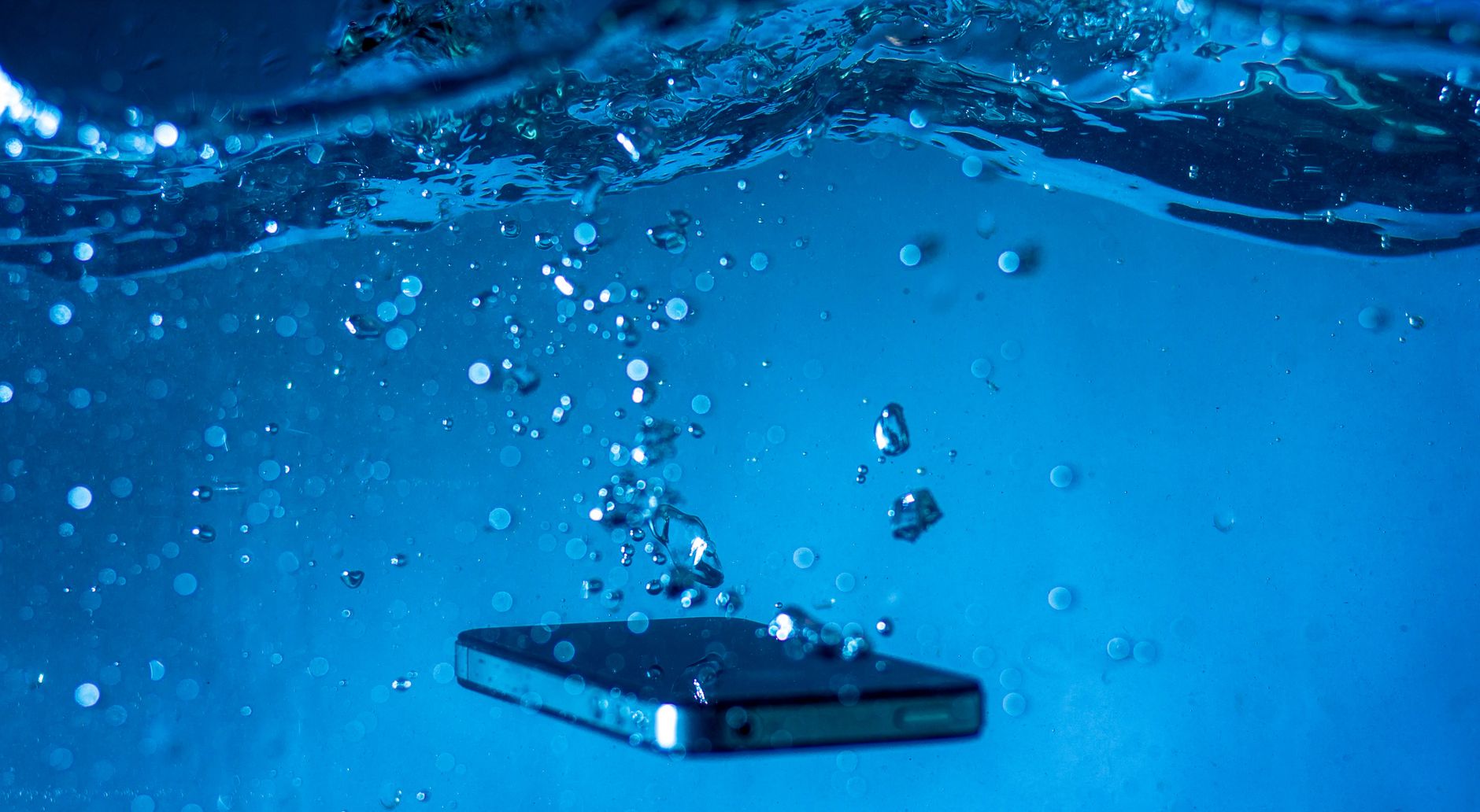
Water damage can happen suddenly or develop gradually, but in either situation, it can create serious problems for a home or commercial property. A burst pipe, overflowing appliance, damaged roof, backed-up drain, or severe storm can introduce large amounts of water into areas that are not designed to handle prolonged moisture. Even a relatively small leak can become a major concern when water remains hidden behind walls, beneath flooring, or inside ceilings. Prompt attention is therefore essential because the longer moisture remains present, the greater the potential for structural deterioration, unpleasant odors, mold growth, and damage to personal belongings.
Many property owners initially focus on removing visible water, but effective recovery involves much more than drying a wet floor. The source of the water must be identified and stopped, affected materials must be evaluated, moisture levels need to be monitored, and damaged areas may require cleaning, sanitizing, repair, or replacement. Understanding the restoration process can help property owners respond more effectively during an emergency and make informed decisions about protecting their property.
Understanding the Different Sources of Water Damage
Water damage can originate from many different sources, and identifying the source is an important first step in determining how the affected area should be handled. Clean water from a broken supply line may present different concerns than water from an overflowing toilet, sewage backup, or flood. The condition of the water can influence the cleaning methods, protective equipment, disposal requirements, and materials that can safely be restored.
Plumbing failures are among the most common causes of indoor water problems. A burst pipe can release a substantial amount of water in a short period, while a slow leak beneath a sink or behind a wall can remain unnoticed for an extended period. Appliances such as washing machines, dishwashers, refrigerators, and water heaters can also leak or fail, allowing moisture to spread into surrounding flooring, walls, and cabinets.
Weather-related events can create another category of problems. Heavy rainfall can overwhelm drainage systems, while damaged roofing materials can allow water to enter attics, ceilings, and interior rooms. In colder climates, freezing temperatures may cause pipes to expand and rupture. Regardless of the source, quick identification of the problem helps reduce the amount of secondary damage.
Why Immediate Action Matters
Water does not remain in one place. Once it enters a building, it can migrate through flooring, drywall, insulation, wood framing, and other porous materials. It can also move into small gaps and concealed spaces that are difficult to see without specialized inspection equipment. This means that an apparently limited problem may affect a much larger area than what is visible on the surface.
Fast response can reduce the amount of material that becomes saturated and can make the recovery process more manageable. Standing water can weaken flooring materials, damage furniture, affect electrical components, and create conditions that encourage microbial growth. As moisture continues to spread, restoration can become more complicated and costly.
Professional water damage restoration focuses on controlling the situation as quickly as possible. This generally includes removing standing water, establishing effective drying conditions, identifying hidden moisture, and documenting affected areas. Acting quickly does not guarantee that every material can be saved, but it can significantly improve the chances of restoring salvageable contents and building components.
The Importance of a Thorough Inspection
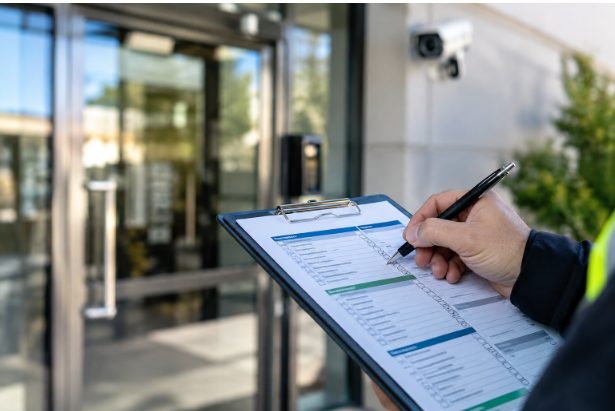
Before restoration work begins, the affected property should be carefully inspected. A thorough assessment helps determine where the water originated, how far it has traveled, which materials have absorbed moisture, and whether there are safety concerns that must be addressed.
Visible signs such as discoloration, bubbling paint, swollen flooring, or damp drywall can provide useful clues, but they do not always reveal the full extent of the problem. Moisture meters, thermal imaging equipment, and other inspection tools can help identify damp areas that are hidden behind walls, under floors, or above ceilings.
The inspection should also consider the type of material affected. Some materials may dry successfully, while others may become permanently damaged after prolonged exposure. Porous materials can absorb and retain water, whereas nonporous surfaces are often easier to clean and dry. Evaluating each affected component allows the restoration process to be planned according to the specific conditions of the property.
Removing Standing Water
When water is visibly pooling inside a property, removing it is one of the first priorities. Depending on the amount of water involved, professionals may use pumps, wet vacuums, extraction equipment, or other specialized tools. The goal is to remove as much excess water as possible before the drying process begins.
Removing standing water quickly can limit the amount of moisture absorbed by surrounding materials. It also makes it easier to access flooring, furniture, walls, and other affected areas. However, water extraction should be approached carefully because electrical hazards may exist in wet environments. Property owners should avoid entering areas where electrical equipment, outlets, or wiring may have been exposed to water unless the area has been confirmed safe.
After extraction, surfaces may still contain significant amounts of moisture. Removing visible water is therefore only one stage of the recovery process. Proper drying is necessary to address moisture that has been absorbed into materials.
Drying and Dehumidification
Drying is one of the most important stages of professional restoration because materials can appear dry while still containing moisture beneath the surface. Commercial air movers can increase air circulation, while dehumidifiers remove moisture from the surrounding air. Together, these tools help accelerate evaporation and create conditions that allow wet materials to dry more efficiently.
The drying process should be monitored rather than based solely on appearance. Moisture readings can be taken at different stages to determine whether affected materials are actually returning to appropriate moisture levels. Monitoring helps prevent the restoration process from ending prematurely.
Ventilation can sometimes support drying, but simply opening windows is not always sufficient. Outdoor humidity, temperature, and weather conditions can influence whether ventilation helps or slows the process. Professional equipment allows drying conditions to be controlled more consistently.
Hidden moisture deserves particular attention. Water trapped beneath flooring, inside walls, or underneath cabinets can remain long after visible surfaces look dry. If concealed moisture is overlooked, it may contribute to odors, deterioration, and microbial growth later.
Preventing Mold and Microbial Growth
Moisture creates an environment in which mold and other microorganisms can develop. Mold spores are naturally present in the environment, but excessive moisture can allow them to grow on suitable materials. This is one reason why drying should begin as soon as practical after water enters a property.
Preventing microbial growth is generally easier than dealing with an established problem. Effective moisture control, prompt extraction, proper drying, and attention to concealed wet areas can all help reduce the risk. Materials that cannot be adequately cleaned or dried may need to be removed according to the circumstances.
If visible microbial growth is already present, additional precautions may be necessary. Large or complex contamination problems may require specialized assessment and remediation procedures. Attempting to disturb heavily affected materials without appropriate precautions can spread contamination to other areas.
Cleaning and Sanitizing Affected Areas
Water damage can leave behind more than moisture. Depending on the source, affected surfaces may contain dirt, bacteria, chemicals, or other contaminants. Cleaning requirements therefore vary according to the type of water involved and the materials that have been affected.
Hard surfaces can often be cleaned and disinfected using appropriate products and procedures. Furniture, carpeting, upholstery, and other porous contents require more careful evaluation because contamination may penetrate deeply into their fibers or internal structures.
Professional restoration teams generally assess contents individually to determine whether cleaning or restoration is practical. Valuable belongings may sometimes be restored rather than discarded, particularly when action is taken quickly. Proper documentation can also help property owners keep track of affected items and support insurance-related processes when applicable.
Protecting Furniture and Personal Belongings
Water can damage furniture, electronics, documents, clothing, photographs, and other personal possessions. Some items may be more sensitive than others, and improper handling can make the damage worse. For example, certain materials can swell, stain, warp, or deteriorate when moved while heavily saturated.
Contents should be assessed based on their material, condition, level of exposure, and potential for successful restoration. Items that can be safely moved may be relocated to dry areas, while heavily affected possessions may require specialized cleaning or controlled drying.
Important documents and photographs can require especially careful handling. Depending on the circumstances, specialized drying and preservation methods may help recover items that would otherwise appear unsalvageable. Early professional assessment can therefore make a meaningful difference when valuable possessions are involved.
Repairing Structural Components
Once water has been removed and affected areas have been properly dried, attention can turn toward repairs. Some building materials may remain structurally sound after drying, while others may be too damaged to restore. Decisions should be based on the condition of the material rather than appearance alone.
Drywall may become swollen or weakened after prolonged exposure. Wood can absorb moisture and may expand, warp, or deteriorate. Flooring materials can buckle, separate, or lose their structural integrity. Insulation can also retain water and may need replacement depending on its condition and the type of water involved.
Restoration work should aim to return the property to a safe and functional condition. Cosmetic repairs may include repainting, replacing trim, refinishing surfaces, or installing new flooring. More extensive damage may require reconstruction of walls, ceilings, cabinets, or other components.
How Professional Restoration Differs From Basic Cleanup
A basic cleanup may involve removing visible water and wiping down surfaces, but comprehensive restoration involves assessment, extraction, drying, cleaning, monitoring, and repairs when necessary. The difference is particularly important when moisture has entered concealed areas.
Professional restoration providers typically use specialized equipment to measure moisture and control drying conditions. They can also identify areas that may not be obvious to an untrained observer. Documentation of the affected property, moisture conditions, and completed work can provide a useful record throughout the recovery process.
Another important distinction is safety. Water damage can create electrical risks, slippery surfaces, structural concerns, and contamination hazards. A professional approach considers these risks rather than treating the problem as an ordinary household cleaning task.
Working With Insurance
Water-related incidents may involve insurance claims, depending on the cause of the damage and the terms of the property owner's policy. Keeping detailed records can be useful when communicating with an insurance provider. Photographs and videos taken before major cleanup, when it is safe to do so, can help document the original condition.
Receipts, estimates, inventories, and records of completed work can also be valuable. Property owners should review their insurance policies and communicate with their insurers about claim requirements rather than assuming that every type of water damage is covered.
A restoration company may assist with documentation, but coverage decisions ultimately depend on the applicable insurance policy and insurer. Clear records can make it easier to explain what happened, what areas were affected, and what work was performed.
Choosing the Right Restoration Provider
Selecting a qualified restoration provider is an important decision after significant water damage. Property owners should look for professionals with relevant experience, appropriate equipment, clear communication practices, and a structured approach to assessment and drying.
A reputable provider should be able to explain what caused the damage, what areas are affected, what steps are recommended, and which materials may need removal or replacement. Written documentation can help property owners understand the proposed work and associated costs.
It is also useful to ask how moisture will be monitored throughout the drying process. A provider that relies only on visual inspection may overlook moisture that remains inside building materials. Consistent measurement provides a more reliable indication of progress.
Common Mistakes to Avoid
One common mistake is waiting too long because the visible amount of water appears small. Even limited leaks can cause hidden damage when moisture reaches areas that are difficult to inspect. Another mistake is assuming that a fan alone will solve the problem. Air movement can help, but effective drying usually depends on controlling both airflow and humidity.
Property owners should also avoid covering wet areas or replacing flooring before determining whether the underlying structure has dried completely. Trapping moisture beneath new materials can create additional problems.
Another issue is attempting to clean contaminated water without proper protection. Water from sewage backups or other contaminated sources can contain harmful substances and should be treated differently from clean water. Safety should always take priority over attempting to complete cleanup independently.
Preventing Future Water Problems
Although not every water emergency can be prevented, regular property maintenance can reduce many common risks. Inspecting plumbing connections, checking appliances for leaks, maintaining gutters and drainage systems, and examining roofing materials can help identify vulnerabilities before they cause serious damage.
Water heaters and washing machine hoses deserve particular attention because failures can release substantial quantities of water. Replacing aging components according to manufacturer recommendations can reduce the likelihood of sudden leaks.
Property owners can also benefit from knowing where the main water shutoff is located. In an emergency, quickly stopping the water supply may significantly reduce the amount of water entering the property. Smart leak detection devices and water sensors can provide additional warnings when unusual moisture or water flow is detected.
The Long-Term Value of Proper Restoration
Effective restoration is about more than making a property look clean again. The objective is to address the underlying moisture problem, protect the structure, reduce the risk of secondary damage, and restore affected areas to a safe and usable condition.
Rushing through the process can leave hidden moisture behind, while unnecessary replacement can increase costs when materials could have been successfully restored. A balanced approach combines careful assessment with timely action.
For property owners facing a serious incident, professional water damage restoration can provide a structured process for moving from emergency response to recovery. The most important principles remain consistent: identify and stop the source, remove excess water, locate hidden moisture, dry affected materials thoroughly, clean contaminated areas appropriately, monitor progress, and repair or replace damaged components when necessary.
Water damage can be stressful, disruptive, and expensive, but understanding how restoration works makes the situation easier to manage. Prompt action, careful inspection, controlled drying, appropriate cleaning, and professional evaluation can all help protect the property and reduce the possibility of long-term complications. With the right response, many affected spaces and belongings can be restored rather than simply discarded, allowing the property to return to normal as efficiently and safely as possible.






2 thoughts on “Water Damage Restoration: How Professional Recovery Services Repair Damage and Protect Properties From Further Loss”
Comments are closed.