

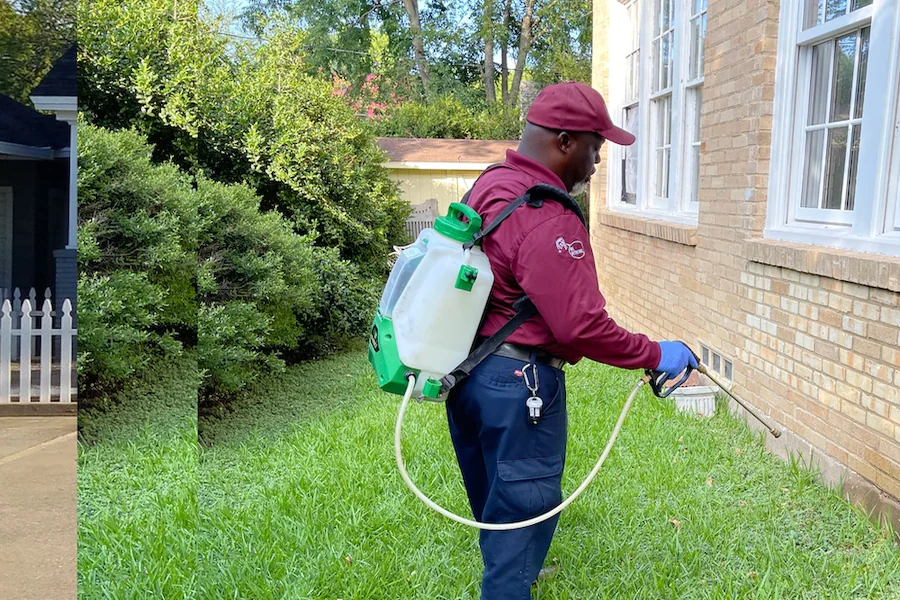
Arranging pest control is easier when the goal is clear. A homeowner may need help identifying an unfamiliar insect, resolving repeated activity in one room or deciding whether an ongoing service makes sense. Those are different questions, and a useful inspection should connect the recommendation to the property’s actual conditions.
For Houston households, the best place to begin is with a short description of the problem and a list of what needs to be understood. Which pest is present? Where is it active? What work is included in the proposed service? A clear plan helps homeowners compare options and participate effectively after the first visit.
Define the problem before requesting a quote
Record the rooms or outdoor areas involved, when activity was first noticed and whether the sightings are changing. Take photographs when practical and save relevant service records. Tell the inspector about previous products or treatments, including where they were used. This gives the visit a specific starting point instead of relying on a general request to treat everything.
A search for pest control houston can introduce homeowners to local providers such as Drake Lawn & Pest Control, whose Houston branch page describes services for the city and surrounding communities. Use that information to confirm coverage, then request a property-specific assessment. A location page can help identify an available service without replacing the inspection needed to define the work.
Separate immediate concerns from longer-term questions. You might want a current cockroach problem investigated while also asking about routine monitoring. Put those requests in distinct parts of the enquiry so the estimate makes clear what addresses existing activity and what belongs to an optional continuing service.
Expect identification and inspection to guide the plan
The EPA’s integrated pest management principles emphasize monitoring and identifying pests before selecting controls. Prevention is part of that process, with further action based on the situation. For a homeowner, the practical implication is to ask how the inspector’s findings lead to the recommended service.
Request a plain-language explanation of the evidence. The report should distinguish areas where activity was observed from places that could not be accessed. If identification remains uncertain, ask how it will be confirmed. There is little value in a confident treatment description if the underlying problem has not been established.
Cockroaches offer a useful example of why identification matters. Texas A&M AgriLife’s cockroach guidance discusses several species found in Texas, including American, German, oriental and smokybrown cockroaches. Their presence should be assessed in context rather than treating every household sighting as the same problem.
Keep photographs, inspection notes and the estimate together. When discussing the proposal with another household member, use the written findings instead of trying to recreate the conversation. This also makes it easier to compare a second opinion without losing details about the original observations.
Connect household maintenance with the service
The EPA’s smart pest-control guidance explains that pests need food, water and shelter and that prevention can reduce reliance on pesticides. An inspection should therefore consider the conditions around the activity as well as possible treatments. The homeowner’s maintenance tasks and the technician’s work should support the same objective.
Ask for a prioritized repair list. Which issue should be addressed first, who should complete it and does it need attention before treatment? A leak might require a plumber, while another task may simply involve changing a household routine. Do not assume that identifying a problem means its repair is included in the pest-control price.
Make the list manageable. Record the responsible person and arrange access for any necessary tradesperson. Ask the pest professional to explain unfamiliar terms and show the location of each concern. A recommendation is easier to act on when it describes a specific part of the property rather than a broad instruction to improve maintenance.
Check credentials and compare the written scope
Texas Department of Agriculture licensing information distinguishes pest control from categories such as termite control and lawn and ornamental work. Ask for the business’s license details and verify the relevant licensing information through the department. Match the proposed work to the appropriate credentials rather than relying solely on a familiar company name.
Request an itemized description of the service. Identify the pests covered, areas included, initial visit, follow-up arrangements and any exclusions. If the quote refers to a general household-pest plan, ask which concerns require separate assessment or pricing. Do not assume that every service advertised by a company belongs to the package being offered.
Read cancellation, renewal and retreatment terms before agreeing to continuing service. Clarify whether additional visits have a charge and what the homeowner must do to qualify for any stated guarantee. A short written answer now is more useful than discovering different expectations after activity returns.
Compare proposals using the same questions. A lower initial price may describe a narrower service, while a higher price may include visits you do not need. Ask each provider to explain the connection between the findings and the proposed schedule. The objective is an understandable service that addresses the identified problem.
Prepare the home using specific instructions
Before treatment, obtain written directions covering access, food storage, pets and any required time away from treated areas. The EPA’s consumer pesticide guide stresses protecting people and animals from exposure and observing product instructions. Preparation should reflect the method actually being used, so avoid assuming that every appointment has the same requirements.
Tell the provider about practical obstacles before the visit. Perhaps a cupboard cannot be emptied without assistance or a room is normally occupied throughout the day. Agree how these issues will be handled and ensure everyone in the household has the instructions. A simple message shared in advance can prevent confusion at the appointment.
Afterward, keep the service report and ask which cleaning activities can resume and when. Confirm whether monitoring devices or treatment placements should remain undisturbed. If something is unclear, contact the provider before moving it or adding another product. Record the answer so the household follows one consistent set of instructions.
Coordinate shared-property concerns
In an apartment or another shared building, contact the property manager early. The EPA’s housing-manager resources describe integrated pest management as a coordinated approach involving inspection, prevention and control. An individual resident’s observations can help, but building access and maintenance decisions may require management involvement.
Report the exact location and keep copies of maintenance requests. Ask who will authorize treatment, arrange access and communicate preparation requirements. Avoid making assumptions about neighboring homes or assigning blame for the problem. Clear information about your own unit is more useful than speculation about where activity began.
Review results before choosing the next step
Agree on a review point before the first visit ends. Find out what changes to watch for and which observations should prompt an earlier call. Keep a brief log using the same locations and descriptions as the original report. This allows the follow-up conversation to focus on evidence instead of general impressions.
A practical Houston pest-control plan brings together inspection, clear service terms, household preparation and follow-up. Choose a provider that can explain each part, complete the agreed maintenance tasks and retain the records. With that foundation, future decisions become easier to make and the service remains connected to the needs of the home.









3 thoughts on “How Houston Homeowners Can Build a Practical Pest Control Plan”
Comments are closed.