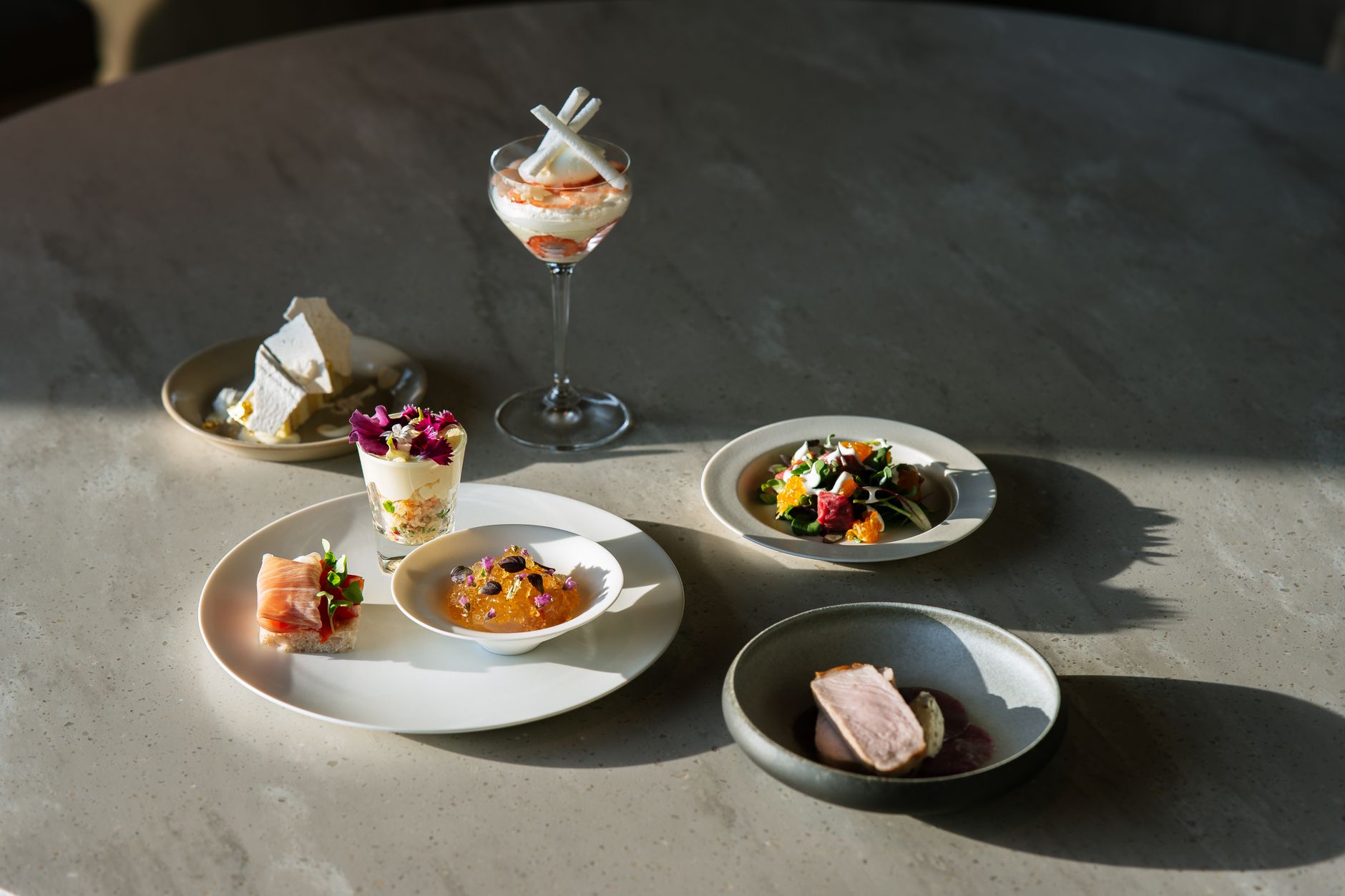
New York City’s chef’s counters offer some of the most immersive tasting menu experiences anywhere, with seats just a few feet from the pass, an open kitchen in motion, and a carefully choreographed progression of courses from the first canapés to the final mignardises. Because the entire room moves according to a set cadence, preparation matters more than it does at a typical à la carte dinner. A little planning around timing, reservations, dietary needs, pairings, and etiquette protects the flow of the meal and allows you to focus on textures, temperature contrasts, and the way a sauce or pairing reframes an ingredient. Here is how to arrive prepared for an exceptional evening.
Fixed Seating Times Shape the Entire Meal
If you are comparing Michelin restaurants in NYC for fine dining, chef’s counter tasting menus often operate with fixed start times. The kitchen builds momentum around a shared opening bite, then progresses through crudos, hot plates, and a palate cleanser before reaching the savory highlights and dessert. Arriving even a few minutes late can compress the early courses or interrupt the pacing for the entire counter. Plan your transportation with extra time, confirm the arrival time in your reservation email, and call the restaurant as soon as possible if the subway stalls or traffic causes a delay. At a counter, the sound of a burner igniting or food sizzling on the plancha is part of the experience, so being there from the beginning preserves the full progression.
Consider a common scenario. Your 7 p.m. seating coincides with unexpected traffic. If you have already built in a 15 minute buffer, you can still arrive in time for the opening canapé, and the kitchen can prepare your first hot course on schedule. Without that cushion, the team may need to hold a sauce, adjust the timing at the fish station, or rearrange your beverage pours to keep service aligned. Fixed seating helps protect the quality of temperature sensitive dishes and the rhythm of the room, making punctual arrival an important part of the experience.
Reservations, Deposits, and the Waitlist Reality
Many sought after chef’s counters use reservation platforms such as Resy or Tock, often with credit card holds or advance payment for a prix fixe menu. Read the cancellation policy carefully, keep your confirmation accessible, and bring the payment method associated with the reservation when required. If you are planning an anniversary or another celebration, balance the appeal of a prime reservation time with the rest of your schedule. A later seating might work better with child care or theater plans, while an earlier reservation can reduce transportation risks and fatigue after a long service.
If your preferred date is sold out, join the waitlist and enable reservation alerts. Openings can appear when travel plans change, weather affects reservations, or other guests cancel. When a spot becomes available, respond quickly and provide any dietary information as soon as you confirm the booking. Handling these details early reduces stress and gives the restaurant more time to prepare for your visit.
Dietary Restrictions: Notify Early and Be Specific
Tasting menus are structured as complete experiences, so substitutions can affect several courses rather than just one plate. Tell the restaurant about allergies, dietary restrictions, or major aversions when making the reservation rather than waiting until you are seated. Be specific. Saying that you avoid alliums, require gluten free food, or have a tree nut allergy gives the kitchen enough information to adjust preparation, develop alternative sauces, and use separate equipment when necessary.
A guest who informs the restaurant only hours before service about a shellfish allergy may require the kitchen to redesign a signature crudo or replace a stock based sauce with little preparation time. Earlier notice supports both safety and the quality of the meal. Some chef’s counters focus heavily on seafood or other specific ingredients and may not be able to accommodate certain dietary patterns, including fully vegan menus. Ask directly before booking rather than assuming the kitchen can make major changes during service.
Pairings, Corkage, and Pace in the Glass
Your beverage choices can influence the rhythm of both the glass and the plate. A sommelier guided wine pairing follows the menu’s changes in acidity, texture, intensity, and weight. The progression might move from a bright white wine with a saline crudo to a skin contact wine for a richer dish, followed by a more oxidative style alongside roasted flavors. If you prefer to choose individual bottles, arrive a little early to review the wine list, discuss whether decanting is appropriate, and coordinate your selections with the progression of the menu.
Ordering wine by the glass can also work well if you are comfortable having each pour arrive slightly before or after a particular course. Nonalcoholic pairings have become increasingly thoughtful, with house ferments, teas, juices, and infusions designed to reflect or contrast the flavors on the plate. Ask about corkage before bringing a bottle from your own collection. Drink water throughout the meal, and plan your transportation home in advance so you can enjoy the beverage program without worrying about the clock.
Chef’s Counter Etiquette and Comfort for a Long Service
Because you may be seated within speaking distance of the kitchen pass, small choices can influence the experience for everyone around you. Keep conversations at a comfortable volume, silence phone alerts, and avoid flash photography. If photographs are permitted, take them promptly so the food does not cool while you compose the perfect image. Strong perfume or cologne can interfere with another guest’s ability to appreciate delicate aromas, so lighter fragrance is usually more considerate in an intimate dining room.
Dress codes generally favor polished but comfortable clothing. Remember that high stools, warm lighting, and an open kitchen can feel very different from sitting in a cushioned dining room chair. Ask whether the restaurant provides bag hooks, shelves, or another place for personal belongings rather than placing them near your feet. Engage with the chefs when they invite conversation, but avoid leaning into the workspace or speaking over the team while they are coordinating service. Save detailed questions for natural pauses when the kitchen is not actively plating or calling courses.
Thoughtful preparation can transform a chef’s counter tasting menu from a memorable dinner into a fully realized dining experience. Arrive with enough time to enjoy the opening course and follow the kitchen’s intended pacing. Book carefully, understand deposit and cancellation terms, and communicate dietary needs early enough for the team to make appropriate adjustments. Decide on a beverage approach that complements the menu, whether that means a sommelier selected wine pairing, a nonalcoholic sequence, or a bottle plan you develop together. With considerate etiquette and a comfort plan suited to a multicourse service, you create the right conditions for the flavors, textures, and craftsmanship to take center stage.