

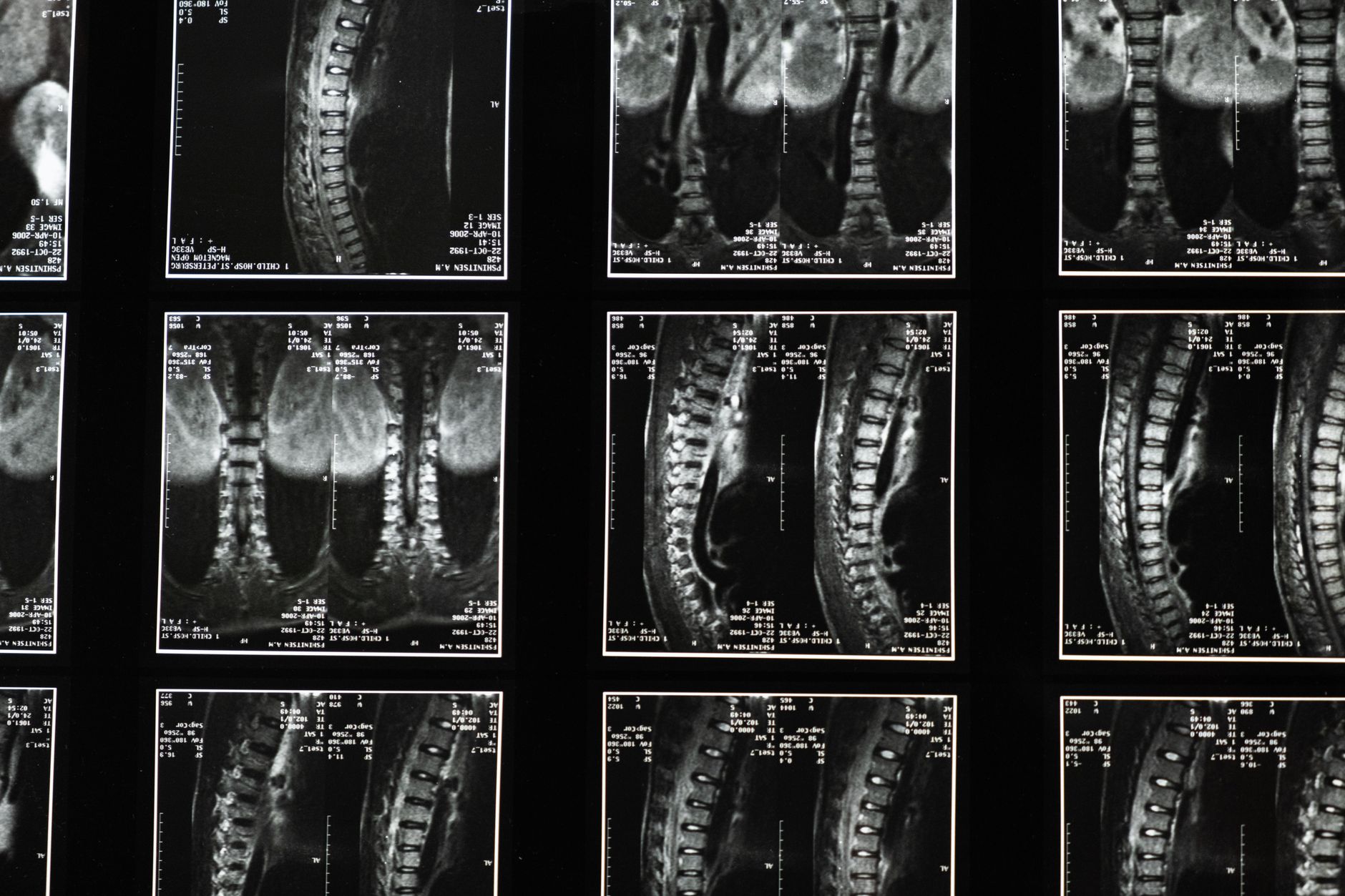
You may face large bills and big life changes after a serious spinal injury. Spinal injuries often require lifelong care and therapy. This post will explain your legal options, how to prove negligence, and ways to seek compensation.
Read on to learn your next steps.
Common Causes of Spinal Cord Injuries
Spinal cord injuries often result from sudden damage. These injuries change lives and raise legal questions.
- Motor vehicle crashes: High-speed collisions cause severe spinal trauma and often lead to personal injury claims against negligent drivers or insurers, which can seek compensation for medical expenses and lost wages.
- Falls from height: Older adults and construction workers suffer spinal damage from falls, which can trigger premises liability suits or workers’ compensation claims to cover rehabilitation and long-term care.
- Acts of violence: Stabbings and gunshot wounds can sever the spinal cord, and victims may pursue criminal restitution and civil claims against assailants or negligent property owners.
- Sports and recreation: Contact sports and diving injuries can fracture vertebrae and injure the spinal cord, creating grounds for product liability or negligence claims involving coaches, facilities, or equipment makers.
- Workplace accidents: Lifting injuries, heavy machinery incidents, and vehicle collisions on the job lead to spinal harm, and employees often file workers’ compensation claims while exploring third-party liability suits.
- Medical malpractice and defective products: Surgical errors, misdiagnoses, and faulty implants can damage the spinal cord, prompting malpractice lawsuits or product liability actions that seek compensation for ongoing care and pain.
Types of Legal Claims for Spinal Cord Injuries
People with spinal cord injuries have different legal options. These claims can help victims get the money they need for their recovery.
Personal Injury Claims
A person with a spinal injury can file a personal injury claim against the party at fault. Lawyers gather medical records, accident reports, and witness statements to prove negligence.
Claims often seek compensation for medical expenses, lost wages, and future care. Insurance adjusters review each demand and may lowball offers.
An attorney helps victims protect their legal rights and build a strong case. Courts or insurers may resolve the case with a settlement or through litigation. Severe injuries can justify awards for pain and suffering, disability, and long term rehabilitation. Strong legal representation supports recovery and ongoing advocacy.
Workers’ Compensation Claims
Workers’ compensation claims cover injuries that happen at work. The claim pays medical expenses and partial wage replacement. Your employer files insurance claims or an injured worker can file a claim directly. Legal rights allow you to seek rehabilitation benefits and disability payments.
An attorney can help prove that the injury relates to work. The lawyer can handle paperwork and fight denied claims. Advocacy helps protect your compensation and future earnings. Seek medical care and keep records of all treatment.
Product Liability Claims
Product liability claims happen when a product causes injury due to defects. These defects can be in the design, manufacturing, or marketing of the product. For example, if a faulty medical device leads to serious harm, the injured person may file a claim against the manufacturer. They need to prove that the product was unsafe and that it caused their spinal injury.
Victims can seek compensation for medical expenses and other losses linked to their injuries. Legal rights allow them to hold companies accountable for negligence in making safe products.
Proving these claims often requires strong legal representation and detailed evidence about how the defect led to harm. Next comes establishing liability in spinal cord injury cases.
Wrongful Death Claims
Wrongful death claims can help families after losing a loved one due to someone else’s actions. These claims allow the victim’s family to seek compensation for their loss. Common causes include accidents, medical malpractice, or unsafe products that lead to fatal injuries. In these cases, it is vital to prove negligence. The responsible party must have acted carelessly and caused the death.
Families can claim various types of damages in wrongful death cases. Medical expenses from the time before death often come first. Lost wages are also important, as they represent income that will no longer support the family.
Pain and suffering endure long after a loved one has gone; this too can be part of a claim. Seeking legal representation helps families navigate this difficult process and advocate for their rights effectively.
Establishing Liability in Spinal Cord Injury Cases
To win a spinal cord injury case, you must show that someone was careless. This means proving they did not act as a reasonable person would have in the same situation.
Proving Negligence
Negligence means someone failed to act responsibly. To prove negligence, show that the responsible party had a duty to keep you safe. Then, prove they broke that duty through their actions or lack of action. For example, a driver must obey traffic laws. If they speed and cause an accident, they may be liable for injuries.
Gather evidence to support your claim. This can include medical records and witness statements. You need solid proof that their negligence led directly to your spinal injury. Working with legal representation helps ensure you build a strong case against those responsible for your suffering.
Identifying All Responsible Parties
Identifying all responsible parties is crucial after a spinal injury. This step helps victims seek justice and compensation.
- Drivers can be at fault in auto accidents. If a driver acted carelessly or broke traffic laws, they may be liable for your injuries.
- Employers may share responsibility if the injury occurred on the job. If workers do not have safe conditions, the employer can be held accountable.
- Property owners must keep their premises safe. Slips and falls that happen due to poor maintenance can lead to liability for the owner.
- Manufacturers of faulty products are also responsible. If an item fails and causes harm, the maker may face legal claims.
- Medical professionals might be liable for malpractice. If they make mistakes in treatment leading to further injury, they could be accountable.
- Third parties sometimes play a role in accidents as well. For example, a maintenance worker might cause an unsafe condition that leads to injury.
- Insurance companies have obligations to cover losses under policy terms. Their refusal to pay claims can partly add to your stresses.
- Government entities may hold responsibility if public property caused an incident or if safety protocols were ignored.
Finding all parties involved requires careful investigation and advocacy from experienced legal representation, which will guide you through seeking compensation effectively for your injuries and recovery needs after a spinal cord injury case ends with establishing liability in detail.
Compensation Available for Spinal Cord Injury Victims
Spinal cord injury victims can receive several types of compensation. This may cover medical bills, lost wages, and emotional pain from the injury.
Medical Expenses
Medical expenses can be high after a spinal cord injury. Initial treatment often includes surgery, hospital stays, and medication. Patients may need therapies like physical or occupational therapy for recovery. Ongoing care can involve follow-up visits to doctors and specialists.
Insurance claims help cover these costs, but coverage varies. Some victims may also seek compensation from legal claims against the responsible party. Legal representation is crucial in these cases to ensure all medical expenses are accounted for accurately.
consulting a spinal cord injury lawyer in Ontario to navigate their legal rights and secure the compensation they deserve. Victims should understand their rights to obtain fair compensation for their pain and suffering related to medical bills.
Lost Wages and Future Earnings
Lost wages can greatly affect spinal injury victims. Many cannot work after their injuries. They may miss weeks, months, or even years of income. This loss creates financial strain on them and their families.
Future earnings also matter in these cases. If a victim cannot return to the same job or role, they may lose potential promotions and raises. Calculating lost wages and future earnings is essential for fair compensation in personal injury claims. Legal representation can help victims seek the money they need for recovery and stability.
Pain and Suffering
Pain and suffering are major parts of spinal cord injury claims. Victims often face both physical and emotional challenges. This includes chronic pain, loss of mobility, and mental stress. These hardships can last a long time, affecting daily life.
Compensation for pain and suffering seeks to address these issues. It helps victims recover from their injuries in a meaningful way. Many seek legal advice to understand their rights related to this compensation.
A personal injury attorney can guide them through the process, ensuring they receive what they deserve for their struggles.
Conclusion
Understanding your legal options after a serious spinal injury is key to recovery. You may have the right to seek compensation for medical expenses, lost wages, and pain. It is crucial to prove negligence and find all responsible parties.
Legal advice can help you navigate this process. Seeking justice is important for your future and well-being.










3 thoughts on “Understanding Your Legal Options After a Serious Spinal Injury”
Comments are closed.