

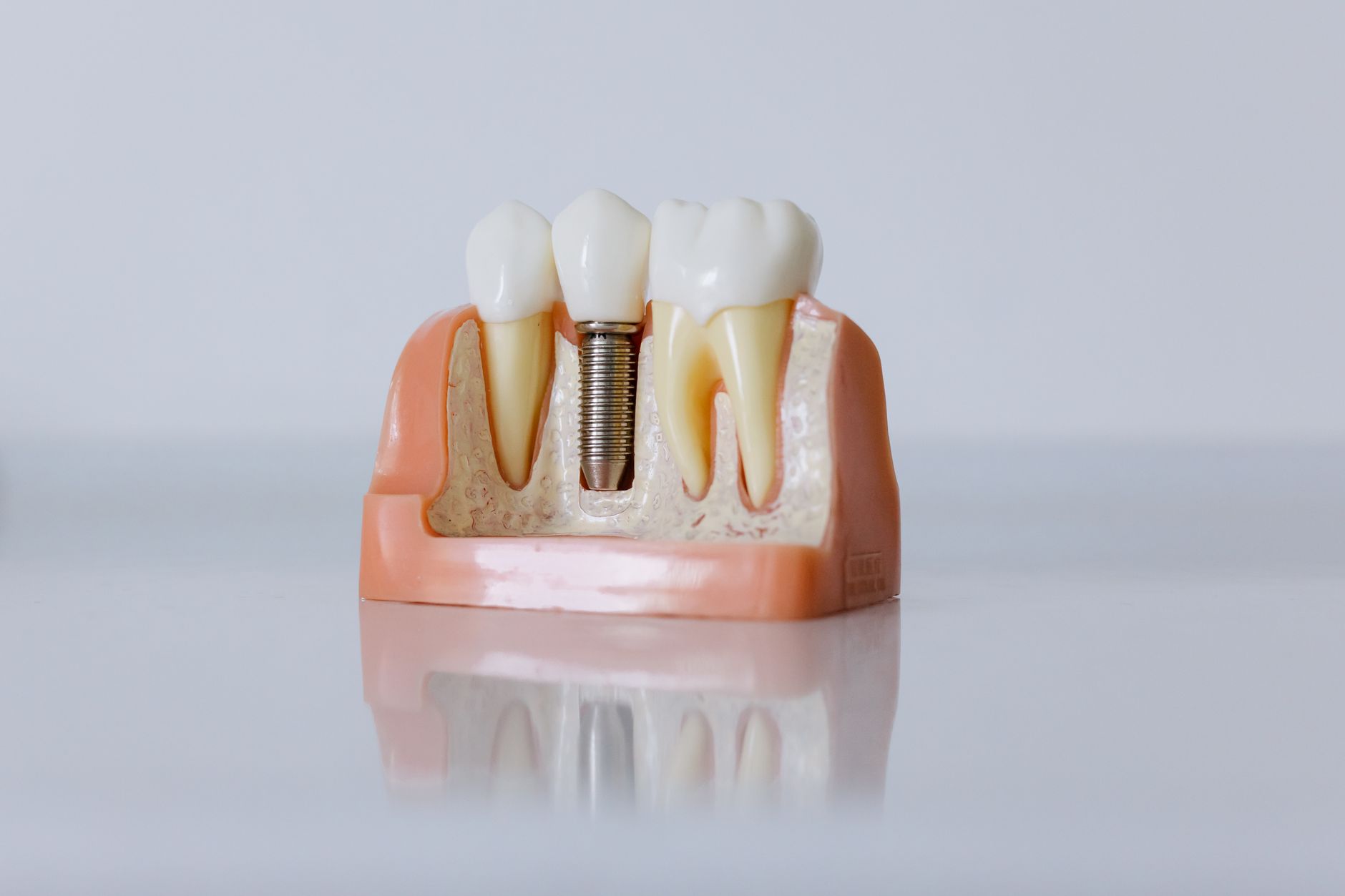
Replacing missing teeth later in life is more common than ever. Many people in their 60s, 70s and beyond are moving from removable dentures to fixed teeth. But the path is not always as simple as the adverts suggest, especially if you have been missing teeth for a long time. Here is what is worth understanding before your first consultation.
1. Bone matters more than age
Age alone rarely rules anyone out of implants. What matters far more is how much jawbone you have left. After a tooth is lost, the bone that held it gradually shrinks. Years of denture wear can speed this up, particularly in the upper jaw. If you are wondering whether you are too old for zygomatic implants, the answer usually depends on your overall health rather than your birth year. Plenty of patients in their 80s have implants placed successfully when they are otherwise reasonably well.
2. "Not enough bone" is not always the end of the road
Many people are told they need a bone graft before implants can be placed. Grafting works, but it can add several months and an extra surgery. For people with significant upper-jaw bone loss, there are also graftless options. The best known is zygomatic implants, which anchor in the cheekbone instead of the jaw. Independent patient resources such as the ZygomaticImplant.net guides explain who these techniques suit and how they compare.
3. Your general health is part of the plan
Conditions like diabetes, and habits like smoking, can affect healing and long-term success. They do not automatically disqualify you. But a good clinician will want them well managed before surgery and will ask detailed questions about your medications. If this applies to you, it is worth reading up on how diabetes affects implant treatment before your consultation.
4. A CT scan comes before any real quote
A standard X-ray shows only part of the picture. A 3D CT scan shows exactly how much bone you have and where. Any firm treatment plan or price should be based on one. Be cautious of quotes given before a scan has been reviewed. A low headline price can change sharply once the clinic sees your real bone levels, so ask for a written plan that lists every stage, the number of implants and the type of final teeth included.
5. Ask about the surgeon, not just the clinic
Implant surgery ranges from routine single-tooth cases to complex full-arch reconstructions. For complex cases, ask directly how many similar procedures the surgeon performs each year. Ask about their complication rates and what happens if something needs revising later. It is also reasonable to ask to see before-and-after cases similar to yours, and to find out who will look after you at follow-up visits. A confident, experienced surgeon will welcome these questions rather than avoid them.
6. Recovery is usually manageable, but plan for it
Swelling and bruising are normal in the first week or two, especially after full-arch surgery. Many patients leave with temporary fixed teeth within days. Soft foods, rest and follow-up appointments are part of the process. A week-by-week recovery guide can help you plan time off work and travel, particularly if you are going abroad for treatment. It also helps to arrange support at home for the first few days, as many older patients feel tired after surgery. Your final, permanent teeth are usually fitted a few months later, once the implants have fully bonded with the bone.
The bottom line
Fixed teeth later in life are realistic for many people, including those who have been told their bone is too thin. Asking the right questions and insisting on a proper scan-based assessment will make it much easier to choose confidently. Take your time, compare more than one opinion if you are unsure, and choose the team you trust most rather than the quickest or cheapest offer.
This article is for general information and is not a substitute for advice from a qualified dental professional.







1 thought on “Getting Dental Implants Later in Life: 6 Things Worth Knowing Before You Start”
Comments are closed.