

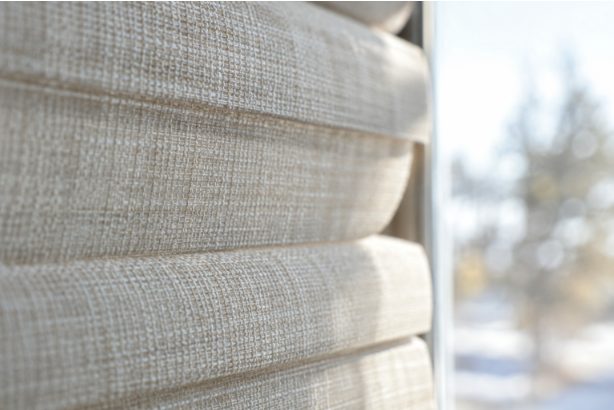
Minnesota homes need window coverings that work through bright summer afternoons, early winter sunsets, and long stretches of cold weather. The right choice begins with how each room is used, then balances daylight, privacy, cleaning needs, and comfort. Exploring window blinds and installation options can help homeowners compare practical features before focusing on color or decorative details.
There is no single best treatment for every Minnesota window. A bedroom may need dependable darkness, a south-facing living room may need glare control, and a bathroom needs privacy that holds up in humidity. Start by identifying the two most important goals for each space.
Start With the Room's Main Needs
Before comparing finishes, rank the needs that matter most: light control, daytime and nighttime privacy, energy performance, child and pet safety, easy cleaning, appearance, or convenience. This simple step keeps a beautiful option from becoming an everyday frustration.
For example, a home office near a sunny Minneapolis street may need adjustable glare control more than total darkness. A nursery may need a cordless design and room-darkening material. A kitchen window near a sink may benefit from a surface that can be wiped clean.
When an existing treatment has broken slats, a stuck mechanism, or a damaged cord, searching for window blind repair near me may be worthwhile before replacing the entire setup. A repair can make sense when the covering still fits the room's needs, and the issue is limited to an operating component.
Compare Light Control Options
Light control and privacy are related, but they are not the same. Sheer materials diffuse daylight and preserve a bright feel, although they provide limited privacy after dark. Light-filtering treatments soften glare while allowing useful daylight into living areas and offices.
Room-darkening materials reduce incoming light and can be a practical bedroom choice for Minnesota homes facing the long daylight hours of summer. Blackout options are better suited to spaces where sleep, movie viewing, shift work, or presentations call for a darker room. Keep in mind that light can still enter through gaps at the sides, top, or bottom of a covering.
Plan for Daytime and Nighttime Privacy
Always consider what happens after sunset. During Minnesota's long summer days, outdoor brightness can make it difficult for passersby to see inside. At night, interior lights can make silhouettes and movement more visible from outdoors. Street-facing bedrooms, bathrooms, and ground-level rooms often need stronger privacy control than a daytime test suggests.
Look at material samples in the actual window during both daylight and evening hours. Layered treatments can provide flexibility, such as a light-filtering shade for daytime paired with a more opaque covering for nighttime use.
Put Safety First Around Children and Pets
Operating cords deserve special attention in nurseries, playrooms, bedrooms, and any home with young children or curious pets. The Consumer Product Safety Commission advises consumers to choose cordless window coverings because accessible cords can create strangulation hazards for children.
Review the federal safety standard for custom window coverings when evaluating corded products, especially for rooms used by children.
- Keep cribs, beds, chairs, and climbing furniture away from cords.
- Inspect older coverings for loose, long, or damaged cords.
- Choose cordless operation where it is practical.
- Place control devices and rechargeable components out of a child's reach.
Consider Energy Performance in Minnesota's Climate
Minnesota's heating season makes window comfort an important part of the buying decision. Well-fitted coverings can help manage solar heat, glare, and drafts, though they cannot correct failed window seals, damaged frames, or major insulation problems.
Close coverings on bright windows during hot summer periods, and use winter sunlight thoughtfully when it adds comfortable warmth. Tighter-fitting designs and insulating cellular styles can be especially useful where cold glass makes a room feel uncomfortable during Minnesota's long winters. Department of Energy research notes that insulating cellular window shades can improve comfort and save energy when selected for the climate and used effectively.
Match the Material to the Room
Material should match the environment. Kitchens, bathrooms, and laundry rooms need moisture resistance and uncomplicated cleaning. Smooth vinyl, faux wood, and similar wipeable surfaces are often practical there. Fabric and woven treatments can add warmth and texture in bedrooms or living rooms, but they may require gentler care.
Also consider sunlight exposure. Strong afternoon sun can be hard on some fabrics and finishes over time. Samples viewed beside the window help reveal how a color, texture, and level of opacity will feel in the room.
Choose the Right Mount and Measure Carefully
An inside mount sits within the window opening and creates a streamlined appearance. An outside mount attaches to the wall or trim around the opening, covering more of the window and often reducing visible edge gaps. The best choice depends on frame depth, trim, handles, locks, and the desired amount of coverage.
Measure width and height in several places because older openings are not always perfectly square. Follow the measuring directions for the exact product and mounting style, rather than relying on one general measurement.
Use a Room-by-Room Selection Guide
- Bedrooms: Prioritize nighttime privacy, room-darkening control, quiet operation, and cordless designs where appropriate.
- Living rooms: Look for glare reduction, adjustable privacy, daylight management, and view preservation.
- Home offices: Choose adjustable coverings that reduce screen glare without turning the room into a dark workspace.
- Kitchens: Favor moisture-resistant, easy-to-clean materials that tolerate daily activity.
- Bathrooms: Use strong privacy control and materials suited to humidity.
- Nurseries: Focus on cordless operation, dependable darkness, and placement away from furniture.
Decide Whether Motorization and Easy Care Matter
Motorization can be useful for high windows, large glass doors, skylights, and windows that receive strong west-facing afternoon sun. It may also support a daily routine, such as opening shades in the morning or closing them before evening. Before choosing it, check battery access, charging needs, noise level, control compatibility, and manual override options.
For long-term care, dust regularly with a microfiber cloth or an appropriate duster. Use a vacuum attachment only when allowed by the manufacturer, wipe moisture-resistant surfaces with a lightly damp cloth, and avoid harsh cleaners unless the care instructions specifically permit them.
Avoid Common Mistakes and Follow a Simple Checklist
- Do not choose color before deciding how much light and privacy the room needs.
- Do not assume daytime privacy will provide privacy after dark.
- Do not overlook cords in rooms used by children or pets.
- Do not measure only once or ignore trim, handles, and furniture placement.
- Do not use moisture-sensitive materials in damp spaces.
- Do not expect a window covering to solve serious window or insulation defects.
Before buying, identify the room's primary problem, set the required privacy level, review safety and cleaning needs, measure carefully, choose an inside or outside mount, and test samples in the actual room whenever possible.
Frequently Asked Questions
Which window coverings offer the most privacy?
Opaque materials with a close fit generally provide strong privacy. The best option depends on whether privacy is needed during the day, after dark, or both.
Are light-filtering coverings private at night?
Not always. Indoor lighting can make shapes visible from outside, so bedrooms and street-facing rooms may need a more opaque or layered solution.
Should every room use the same window covering?
No. Minnesota homes benefit from room-specific choices that reflect sunlight, moisture, privacy, safety, and comfort needs.
Conclusion
The best window covering is one that solves the daily problem in each room. By considering light, privacy, safety, energy performance, material, fit, and maintenance together, Minnesota homeowners can make choices that remain useful through every season.










1 thought on “How to Choose Window Coverings for Light, Privacy, Safety, and Energy Savings in Minnesota”
Comments are closed.