

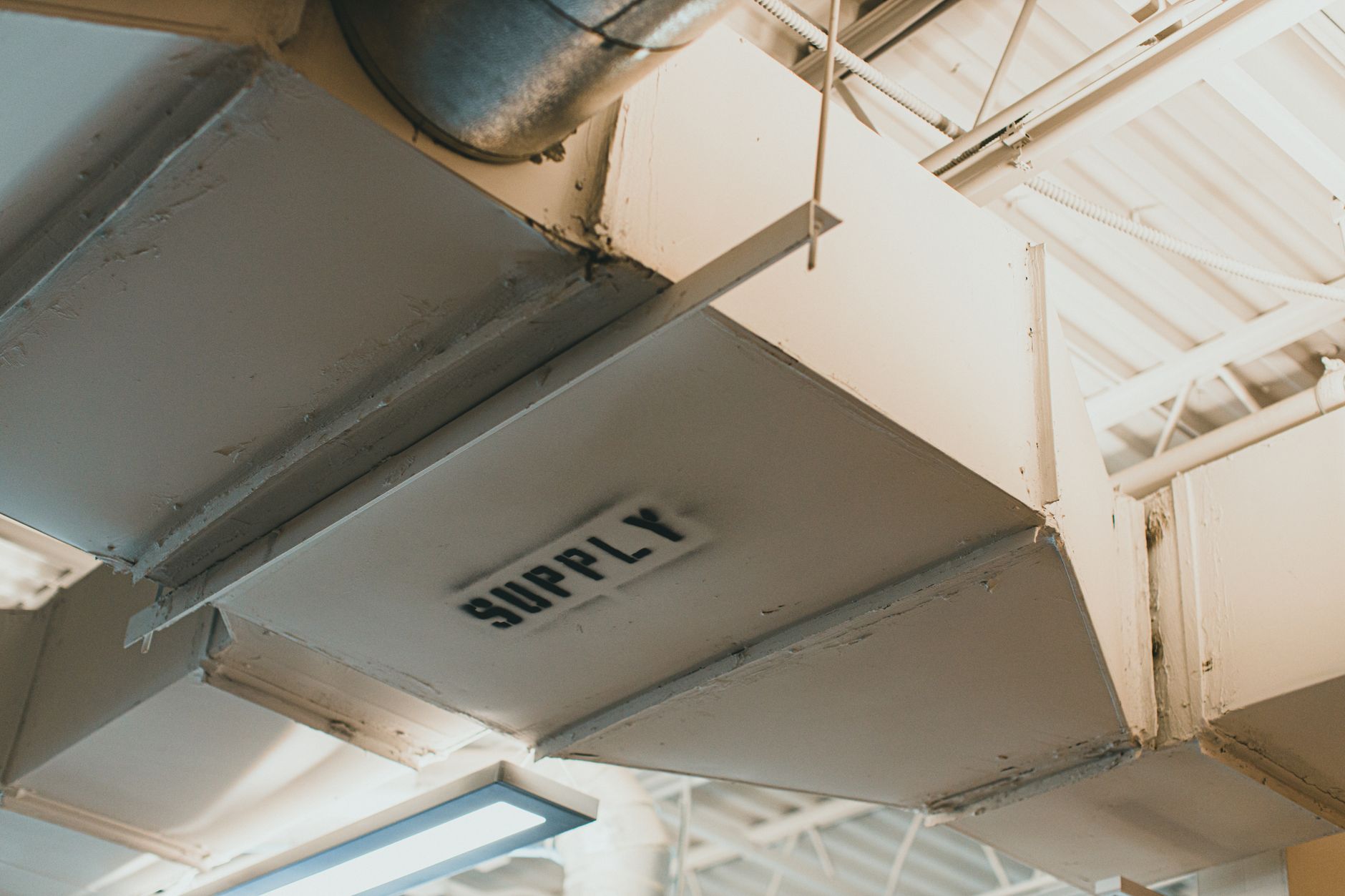
Hot, dry summers and chilly, inversion-prone winters put year-round demands on heating and cooling in Orem. When rooms feel uneven, vents barely move air, or equipment cycles on and off, airflow is often the root cause. Before temperatures swing, a focused airflow check can reveal issues you can address yourself and clarify what to tell a technician if you need help. This article explains why airflow drives comfort and reliability, simple at-home tests using a thermostat and basic thermometer, common restriction points in ductwork and filters, and when symptoms point to refrigerant or electrical faults instead. A few minutes spent now can prevent breakdowns during peak season and repeated service visits later.
1. Why Airflow Is the First Thing to Check
Your system depends on the blower motor to move a set volume of air (CFM) across the heat exchanger in winter and the evaporator coil in summer. When static pressure rises from a clogged filter, crushed flex duct, or blocked return grille, airflow drops. In cooling mode, this can send coil temperature below freezing, leading to frost or ice. In heating mode, reduced airflow can overheat the furnace cabinet and trip the high-limit switch, forcing short cycles and leaving rooms lukewarm.
If your system struggles, rule out airflow restrictions before assuming a failing compressor or bad control board. Area resources such as Orem heating and air conditioning service can help you find local professionals once you have basic observations; these quick checks will make any visit more productive and targeted.
2. Simple Tests You Can Do with a Thermometer and Your Senses
Start at the thermostat. Set the fan to ON for 10 minutes without heating or cooling and walk the house. At each supply register, place your hand or a tissue near the grille. Weak flow in several rooms suggests a system-wide restriction, like a dirty filter or undersized return; weak flow in just one or two rooms points to a local problem, such as a closed damper, a kinked flex-duct branch, or a crushed boot at the register.
Next, measure a quick temperature split. With cooling running for at least 10 minutes, use a simple digital thermometer at a central return grille and then at a nearby supply register. A very small difference with poor airflow often indicates a blower or duct issue. A large difference with weak flow can point to a clogged filter or evaporator coil. Also listen for clues: whistling at returns suggests high static pressure, and a rattling outdoor condenser fan with little indoor airflow can hint at a failing blower capacitor inside.
3. Common Restrictions in Orem Homes: Filters, Returns, and Duct Leaks
Filters are the easiest fix and a frequent culprit. A 1-inch, high-MERV filter can choke older systems not designed for that resistance, especially during wildfire smoke or dust events. The trade-off is real: higher MERV improves fine-particle capture but increases static pressure. Consider a 4-inch media cabinet that provides both filtration and lower resistance, or use a moderate MERV rating and change it more often during peak seasons. Always match airflow direction to the arrow printed on the filter frame.
Return side problems are next. A couch pressed against a return grille, a closet door kept shut around a louvered return, or too few returns upstairs can starve the blower. In two-story homes, this shows up as a cool basement and hot bedrooms on a July afternoon. Inspect flex ducts for kinks, sharp bends, or compression from storage boxes. Leaky ducts in attics or crawlspaces also pull in dusty, hot, or cold air, lowering delivered CFM. Mastic and proper strapping can correct many leaks and sags; avoid relying on cloth “duct tape,” which fails under heat.
4. When Refrigerant or Electrical Issues Mimic Airflow Problems
Some symptoms look like airflow trouble but are not. A low refrigerant charge can make the evaporator coil run too cold and frost over even with a clean filter and open registers. Conversely, a weak blower capacitor or failing ECM module can spin the blower slower than intended, reducing airflow and triggering high-limit trips on a furnace. If you see ice on refrigerant lines, water around the furnace from a thawing coil, or repeated breaker trips, shut the system off at the thermostat, let any ice melt, and call a licensed pro. Refrigerant handling requires certification, and electrical diagnosis involves live circuits best left to trained technicians.
5. Avoiding Correctable Mistakes That Sabotage Comfort
Well-meaning adjustments often backfire. Closing supply registers in “unused” rooms raises static pressure and can force air out of duct leaks, wasting energy and increasing noise. Stacking storage in front of a return grille or draping curtains over it starves the blower and can overheat the furnace heat exchanger. Another common oversight is a clogged condensate drain; a float switch may shut cooling off intermittently, making it seem like the system cannot keep up. Keep at least two feet of clearance around the outdoor condenser, and gently rinse debris from its coil fins to maintain proper heat rejection.
Preparing for a Service Visit: Notes and Measurements That Help
If you decide to schedule a visit, have specifics ready. Record filter size and age, thermostat brand and settings used during testing, and the quick temperature split you measured at a central return and supply. Note which rooms are worst, when the problems are most obvious, and any noises like whistling, grinding, or the fan ramping up and down. Make sure you have clear access to the furnace, attic hatch, and outdoor condenser. If you have had prior duct sealing, a new smart thermostat, or changes like finishing a basement, mention those; added loads without duct modifications can change airflow balance and explain new hot or cold spots.
Addressing airflow first protects both comfort and equipment. Clean filters, open and unblocked returns, sealed ducts, and a freely draining condensate line help your blower deliver the CFM your system was designed for, which helps prevent iced coils, high-limit trips, and frustrating short cycles. In a place like Orem, where seasonal swings are a given, a brief check before the season can be the difference between steady performance and a call during a heatwave or cold snap. If issues persist after these steps, your notes and measurements will give any technician a head start and shorten the path to a lasting fix.









1 thought on “How to Diagnose HVAC Airflow Problems in Orem Homes Before Peak Season”
Comments are closed.