

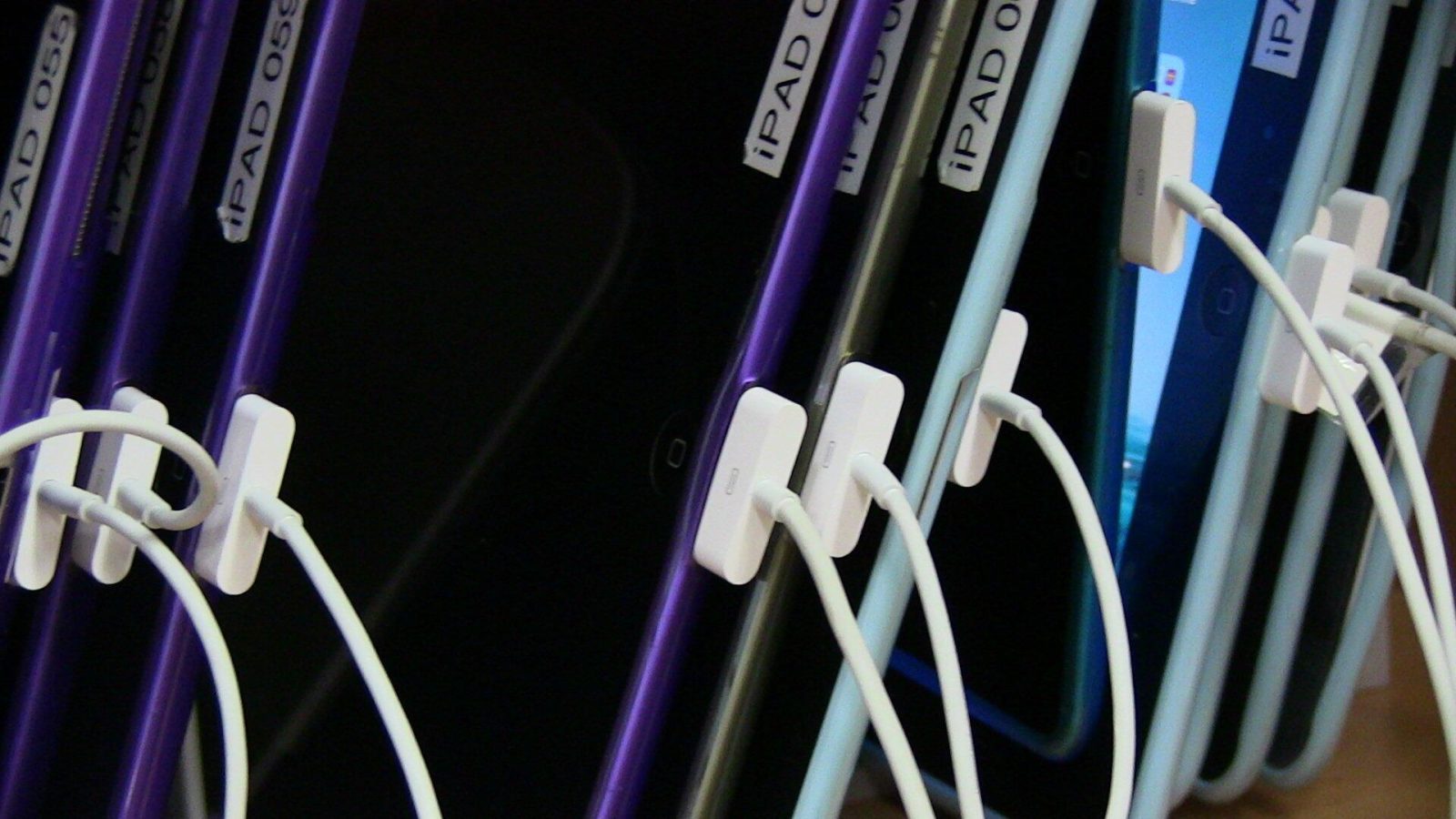
Implementing efficient charging solutions helps keep student devices powered, organized, and ready for learning. Schools can choose from charging stations, mobile carts, wall-mounted chargers, and wireless charging pads based on their space, device usage, and management needs.
In today’s digital classrooms, the need for reliable charging solutions is more crucial than ever. When a low device battery disrupts a lesson, it erodes valuable instructional time. Over a school year, such small, cumulative disruptions can add up to a staggering loss of 10 to 20 days of instructional time-a critical cost that highlights why school administrators must protect learning environments from preventable technical friction.
Efficient charging systems not only enhance the learning experience but also promote organizational efficiency within educational settings.
Identifying Charging Needs in Educational Environments
Before implementing any charging solutions, schools must first assess their unique needs:
- Are devices shared among students?
- Do classrooms have limited access to power outlets?
These questions help pinpoint the specific challenges schools face in ensuring devices remain operational. For instance, schools with 1:1 device programs require different solutions than those where devices are checked out per class.
Types of Charging Solutions
With various options available, educational institutions can tailor their charging solutions to fit their requirements. Let’s take a look:
Charging Stations
Centralized units in classrooms or common areas to ensure devices are charged regularly. Their organized setup reduces clutter and keeps everything in one place.
Mobile Charging Carts
Portable solutions that allow teachers to charge devices while they are stored. These carts can easily be moved from classroom to classroom.
Wall-Mounted Chargers
Ideal for classrooms with limited space, allowing devices to be charged without taking up valuable floor space. Installed directly on the wall, they provide a convenient and organized charging solution.
Wireless Charging Pads
As technology evolves, consider integrating wireless charging solutions for ease of use and minimizing wear on charging ports. It offers a convenient way to keep devices powered without the need for cables.
Integrating Technology into Charging Solutions
Intelligent power management systems optimize energy use by scheduling charging times and ensuring that devices consume power only when necessary. By integrating solar-powered charging stations, schools can also promote sustainability while reducing energy costs.
Additionally, investing in charging solutions that come with monitoring systems allows educators to track device usage and battery health. Chromebook charging solutions for schools can also support organized device management by keeping student devices powered and ready for use. Such systems provide valuable data that helps in planning for future investments in technology.
Best Practices for Device Management
Implementing charging solutions is just one part of the equation; effective management is equally important. Here are some best practices to consider:
- Establish Clear Policies: Ensure that students and staff know how charging solutions work, including guidelines for maintenance and usage.
- Regular Maintenance Checks: Schedule routine inspections to ensure all charging stations and devices are functioning optimally.
- Educate Students: Train students on proper care and use of their devices to minimize wear and tear, prolonging their lifespan.
Discover Your Charging Solution Today!
A reliable charging strategy can help schools keep devices ready for learning while creating a more efficient classroom environment. The right approach depends on each school’s unique needs.
Explore our blog for more practical insights.









1 thought on “How to Implement Efficient Charging Solutions in Educational Settings”
Comments are closed.