Key Takeaways
- Organic eating can be flexible rather than all-or-nothing.
- A short weekly plan helps reduce impulse purchases and forgotten leftovers.
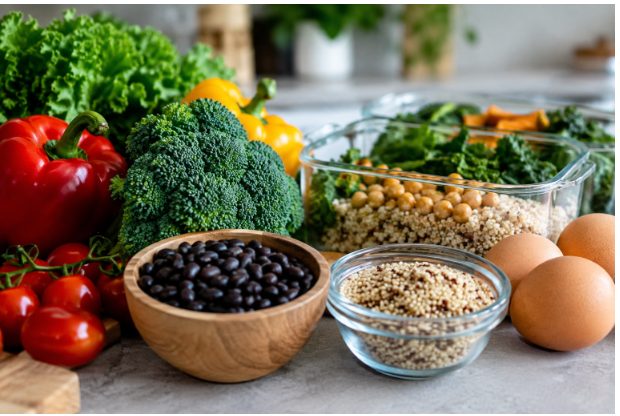
- Beans, grains, eggs, produce, and frozen foods can provide a useful foundation for a meal.
- Organic labels describe how food is produced, not whether every product is nutritionally balanced.
- Restaurant meals and convenience foods can fit into a realistic routine.
Building an organic food routine does not require a perfect grocery cart, complicated recipes, or hours of meal prep. For busy households, the goal is to make more intentional choices often enough that meals feel satisfying, practical, and within reach. A local delicioius juice bar can also fit into that routine when a rushed day calls for a simple option made with familiar ingredients.
Organic is a production label, not a shortcut for judging a food's overall nutrition. Under USDA organic labeling rules, certified products must meet specific standards, but an organic cookie can still be high in added sugar, and an organic frozen meal can still be high in sodium. Read the full package, not only the front label.
Food routines work best when they reflect the actual schedule of the people using them. Plan for late meetings, school activities, tired evenings, and meals away from home, rather than assuming every night will allow for a full home-cooked dinner.
Start by choosing a few repeatable meals your household already enjoys. Oatmeal with fruit, egg-based breakfasts, grain bowls, bean soups, roasted vegetables, yogurt, and simple salads are adaptable choices that can be changed with whatever is in season or on sale.
For a convenient breakfast or afternoon option, amazing smoothies can be a practical addition when paired with a protein-rich food or a filling snack. The point is not to make every meal identical. It is to keep a few dependable choices available when time is short.
Start With A Simple Weekly Food Map
A useful plan can take less than 15 minutes. Before shopping, check the calendar and decide which meals will be made at home. Then identify the days that need fast options and reserve one meal for leftovers, pantry ingredients, or a planned takeout night.
- List breakfasts, lunches, and dinners that need to be covered.
- Choose two proteins, two vegetables, one grain, and one easy snack.
- Check the pantry, refrigerator, and freezer before adding items to the list.
- Choose recipes that share ingredients, such as spinach for eggs, soup, and grain bowls.
- Leave open space in the plan for leftovers and schedule changes.
Build Meals Around Affordable Staples
Specialty products can be enjoyable, but basic ingredients usually give a household more meal options. Keep beans, lentils, chickpeas, oats, brown rice, barley, whole-grain pasta, plain yogurt, eggs, nuts, seeds, and canned fish or other preferred proteins on hand. Frozen fruits and vegetables are also useful when fresh produce will not be used quickly.
When buying canned or prepared foods, compare similar products by serving size, sodium, added sugars, and ingredient list. The Nutrition Facts label helps shoppers compare foods without relying on package claims alone. Select lower-sodium soups when possible, then add vegetables, beans, or whole grains to make the meal more substantial.
Decide Which Organic Purchases Matter Most
Personal priorities should guide the cart. Some households prefer to buy organic versions of foods they eat frequently. Others focus on fresh produce, eggs, or dairy, then choose conventional options when the price difference is too large. Both approaches can be reasonable.
- Choose organic when farming practices are especially important to you.
- Compare unit prices rather than package size alone.
- Prioritize foods that will become actual meals over expensive snack items.
- Buy conventional produce when it makes the budget work better.
- Use store brands when the ingredients and labels meet your needs.
Shop Seasonally And Use Prepared Foods Wisely
Seasonal produce can bring variety to meals and may be easier to find at a favorable price. Shop farmer's markets, farm stands, co-ops, and store promotions when convenient, but only buy extra food if there is a plan for it. Tomatoes can be made into sauce, salsa, or a grain bowl topping. Extra berries can be frozen for oatmeal or smoothies.
Prepared foods can be useful backups rather than a sign that the plan failed. Pair prepared soup with fruit and a salad, add vegetables to a ready-made grain pouch, or serve a rotisserie chicken with frozen vegetables and rice. Check the serving size before eating directly from a container, especially with soups, sauces, deli foods, and snack packages.
Make Better Choices When Dining Out
Dining out can support a balanced routine when it is treated as a single meal, not as a reason to abandon the week. Scan the menu before arriving when possible, look for a vegetable, bean, whole-grain, or protein-based option, and choose what sounds genuinely satisfying.
- Ask for dressings and rich sauces on the side.
- Share a large entrée or save part for another meal.
- Build balance around the order, such as a vegetable-focused entrée with protein.
- Choose only one of bread, fries, or dessert, as having all three would make the meal feel heavier than desired.
- Choose water or an unsweetened drink when the meal already includes a sweet or rich item.
Reduce Waste And Adjust For Real Life
Create a visible "use first" area in the refrigerator and make it part of the dinner decision. Leftover vegetables can become omelets, wraps, soups, pasta dishes, or fried rice. Freeze bread, fruit, herbs, cooked beans, and extra grains before they spoil. If an item repeatedly gets thrown away, buy less of it next week.
Consistency matters more than strict rules. Keep convenient foods for stressful days, accommodate allergies and cultural preferences, and do not treat one restaurant meal as a failed week. A strong routine is one that supports health, taste, budget, and time well enough to repeat.
A Seven-Day Starter Plan
- Day One: Review the household schedule and existing food.
- Day Two: Choose three simple meals that share ingredients.
- Day Three: Shop with a short, flexible list.
- Day Four: Wash or prep only the foods likely to be used soon.
- Day Five: Turn leftovers into a new meal.
- Day Six: Enjoy a planned meal away from home.
- Day Seven: Notice what worked, what spoiled, and what to change next week.
Conclusion
A practical organic food routine does not have to be perfect or expensive. By planning a few meals, relying on versatile staples, using food wisely, and allowing room for convenience and dining out, households can create an approach that fits everyday life. The goal is to make thoughtful choices consistently while keeping meals enjoyable, manageable, and sustainable.