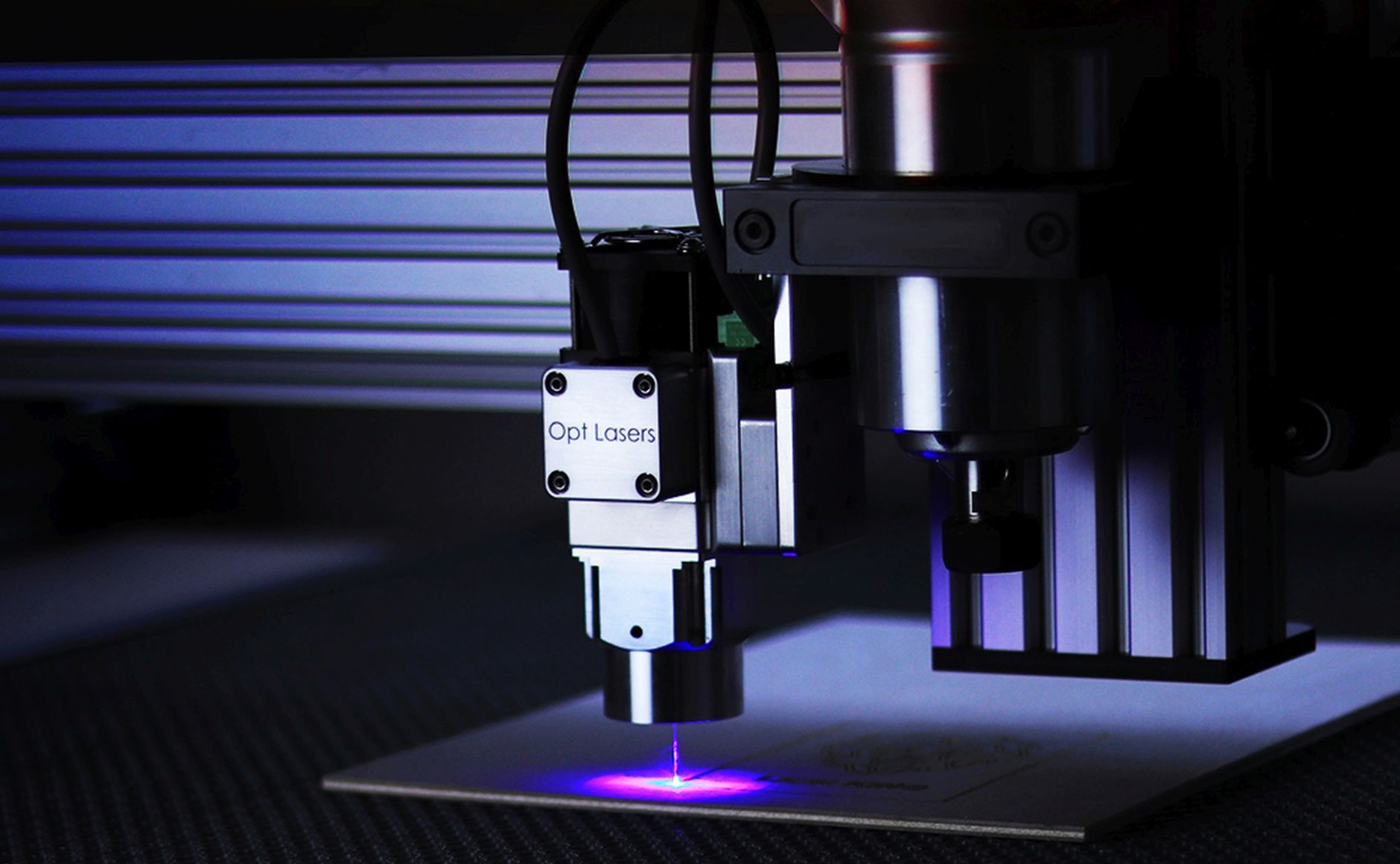
In the realm of industrial manufacturing, the advent of advanced cutting technologies has significantly transformed production processes. Among these innovations, the fiber laser cutting machine exemplifies a leap forward, offering enhanced precision, efficiency, and versatility in material processing. Macro Weld Pty Ltd, a prominent player in the Australian manufacturing sector, underscores the importance of integrating such advanced equipment to maintain competitive edge and achieve superior output quality.
Fiber laser cutting technology operates by emitting a high-powered laser beam generated through an optical fibre. This beam is directed onto the material surface where it melts, burns, or vaporises the target area, enabling sharp and clean cuts. The precision and speed of fiber laser cutting make it an indispensable tool in modern manufacturing environments where quality and productivity are paramount.
Understanding Fiber Laser Cutting
Fiber laser cutting is a type of laser material processing that uses a fibre optic cable to deliver the laser beam. Unlike traditional CO2 lasers, fiber laser machines are more compact and require less maintenance. The fibre laser’s high beam quality facilitates cutting with minimal thermal distortion, an aspect particularly beneficial for fine and intricate components.
The laser operates at a wavelength that is highly absorbed by metals, making fiber laser cutting especially effective for stainless steel, aluminium, brass, and copper. This characteristic leads to reductions in operating costs and processing time when dealing with metal fabrication tasks.
Advantages Over Conventional Cutting Methods
The shift from mechanical cutting to fiber laser cutting machines delivers several compelling advantages. First, fibre laser cutters allow for substantially higher cutting speeds and greater accuracy, offering tolerances within micrometre ranges. This precision reduces the need for additional finishing work, saving time and resources.
Secondly, fibre laser cutting machines provide cleaner edges and narrower kerfs compared to plasma or oxy-fuel cutting. This minimizes material wastage and optimises the use of raw materials, contributing to cost savings and sustainability goals.
Improved Efficiency and Lower Operating Costs
Fiber laser cutting is synonymous with high operational efficiency. The machines consume significantly less power than alternative laser technologies and produce less heat, which reduces wear on consumables and extends equipment lifespan. These factors contribute to lower maintenance frequency and downtime, enhancing overall productivity in an industrial setting.
Furthermore, the automation capabilities of contemporary fiber laser cutting machines allow for unattended operation and integration into computer numerical control (CNC) systems. This integration streamlines manufacturing workflows and supports the production of complex geometries with repeatable precision.
Versatility in Material Application
One of the main merits of fiber laser cutting is the wide range of materials it can process. While optimised for metals, fiber laser technology is also applicable for certain non-metallic materials, including plastics and composites.
It is particularly advantageous in industries such as automotive, aerospace, electronics, and medical device manufacturing, where material diversity and cutting precision are critical. The use of fiber laser cutting machines allows these sectors to meet stringent quality standards and accelerate product development cycles.
Environmental and Safety Benefits
The operation of fiber laser cutting machines generates fewer emissions and produces less noise compared to traditional cutting methods. The laser beam’s precision diminishes heat-affected zones, reducing the likelihood of harmful material residues or warping.
Moreover, the enclosed design of most fibre laser cutting equipment ensures operator safety by preventing direct exposure to the laser beam and containing toxic fumes. This aligns with regulatory requirements and promotes safer working environments within manufacturing facilities.
Macro Weld Pty Ltd and Fiber Laser Technology Adoption
As a leader in supplying industrial manufacturing equipment, Macro Weld Pty Ltd offers access to state-of-the-art fiber laser cutting machines tailored to meet the diverse needs of Australian manufacturers. The company facilitates the adoption of cutting-edge technology that supports clients in improving production efficiency and achieving higher-quality fabrications.
Macro Weld’s expertise extends beyond equipment provision to technical support and consultation, ensuring that enterprises incorporate fiber laser cutting solutions optimally within their existing manufacturing workflows.
Conclusion
Fiber laser cutting represents a transformative advancement in industrial manufacturing, characterised by exceptional precision, speed, and efficiency. Its ability to reduce material wastage, lower operational costs, and accommodate diverse materials makes it a preferred choice for modern manufacturers aiming to enhance productivity and competitiveness.
The integration of this technology, as championed by companies like Macro Weld Pty Ltd, signals a pivotal step towards revolutionising industrial fabrication processes across Australia and beyond. Manufacturers seeking improved quality and operational excellence will find fiber laser cutting technology an indispensable component of their production arsenal.