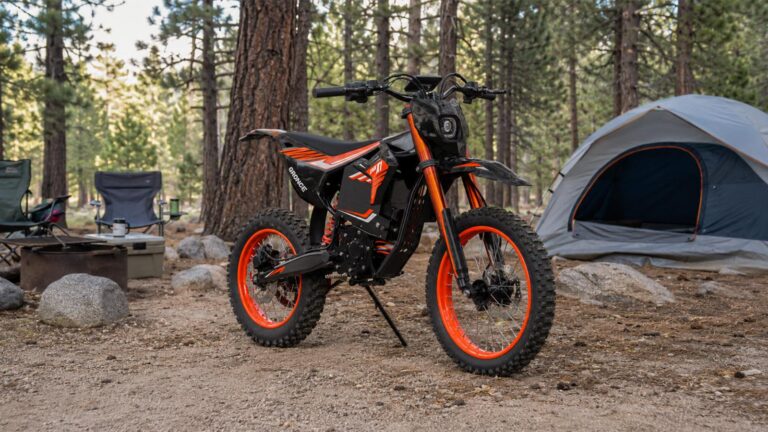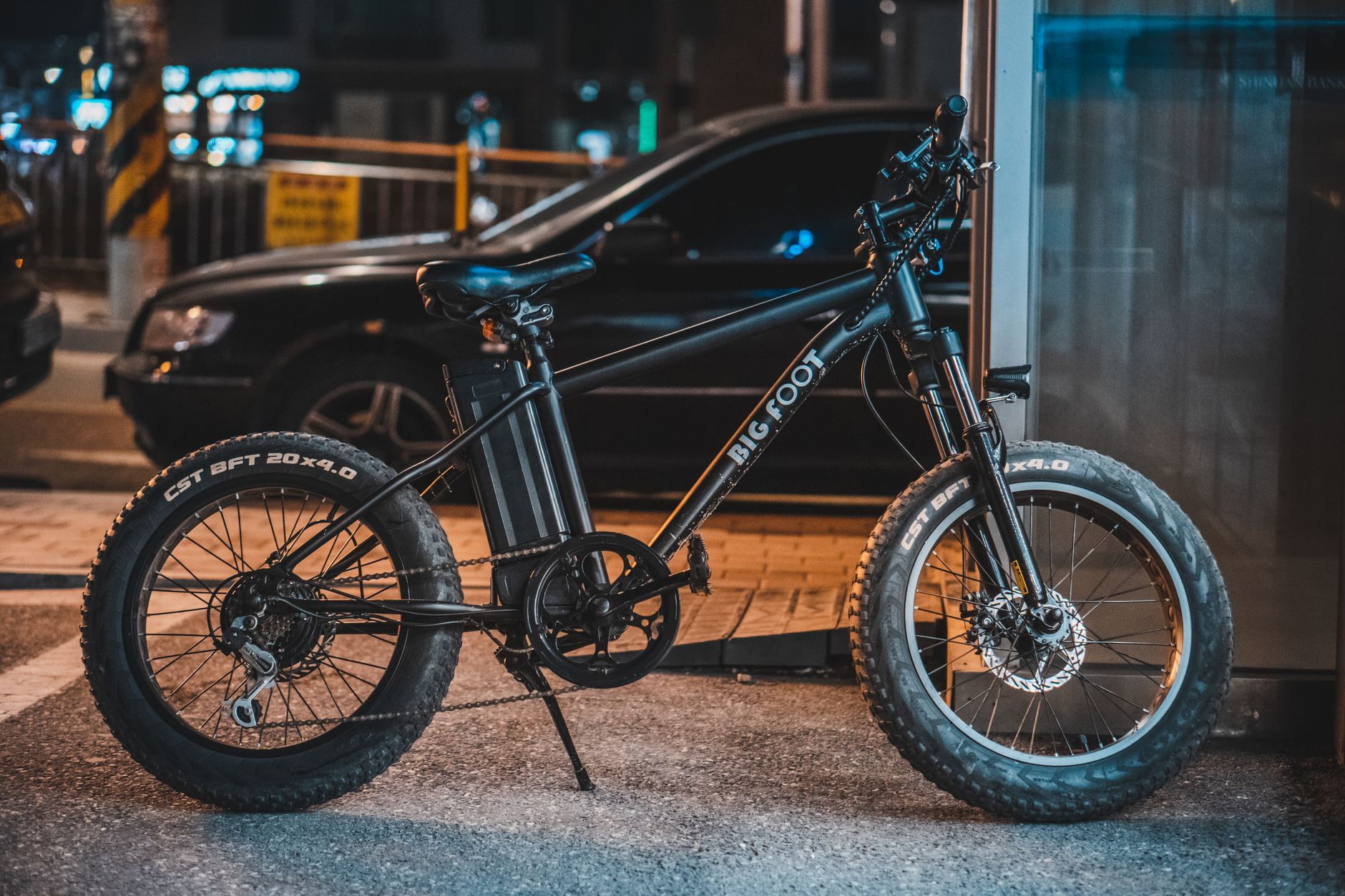
Fat tire electric bikes are designed to handle a variety of riding conditions, from city streets and paved bike paths to gravel roads, sandy trails, and snowy paths. Their wide tires provide a larger contact area and additional cushioning, making them popular among commuters, recreational cyclists, and off-road enthusiasts.
However, one important factor is often overlooked: tire pressure.
The correct tire pressure can make a noticeable difference in how a fat tire e-bike handles, accelerates, brakes, and absorbs bumps. Too much air can make the ride uncomfortable and reduce traction on uneven surfaces. Too little air can increase rolling resistance, cause tire instability, and potentially damage the rim.
So, what PSI should you use for a fat tire e-bike?
The answer depends on tire size, rider weight, additional cargo, and riding terrain. This guide explains how to find the right pressure, provides practical PSI recommendations for different surfaces, and uses the Himiway D5 2.0 20" as an example.
1. What Is the Recommended Tire Pressure for a Fat Tire E-Bike?
Most fat tire ebikes use tires approximately 3.8 to 5 inches wide. These tires generally operate at significantly lower pressures than conventional road bike tires.
For many 4-inch fat tires, approximately 10–25 PSI is a useful general reference for everyday riding. However, the appropriate pressure varies depending on the manufacturer's specifications and riding conditions.
Here is a quick reference chart for common riding surfaces.
Fat Tire E-Bike PSI Chart by Terrain
|
Riding Terrain |
Recommended Starting PSI |
Main Benefit |
|
Smooth asphalt |
18–25 PSI |
Efficient rolling and stable handling |
|
City streets |
15–20 PSI |
Balanced comfort and efficiency |
|
Rough pavement |
13–18 PSI |
Better shock absorption |
|
Gravel roads |
12–18 PSI |
Improved traction and control |
|
Hard-packed dirt |
12–18 PSI |
Balanced grip and rolling resistance |
|
Light off-road trails |
10–15 PSI |
Better cushioning and traction |
|
Soft sand |
8–12 PSI |
Improved flotation |
|
Snow |
8–12 PSI |
Better contact with soft surfaces |
Important: These figures are illustrative starting points for compatible 4-inch fat tires, not universal manufacturer recommendations. Always check the minimum and maximum pressure printed on your actual tire sidewall. Never exceed the tire or rim manufacturer's limits.
For example, Himiway's published tire pressure guidance gives an 8–30 PSI reference range for compatible D5 2.0 20-inch fat tires. The appropriate operating pressure within that range depends on the rider and terrain.
2. How Does Tire Pressure Affect E-Bike Performance?
Tire pressure influences several aspects of electric bike performance. Understanding these effects makes it easier to choose the right setting.
Rolling Resistance and Battery Efficiency
Rolling resistance refers to the energy lost as a tire deforms and rolls across the ground.
When tire pressure is too low, the tire deforms excessively, increasing rolling resistance. The motor may need to use more energy to maintain the same speed, potentially reducing battery efficiency.
A moderately higher pressure can improve rolling efficiency on smooth pavement.
However, maximum pressure is not necessarily the most efficient setting for every surface. On rough roads, an excessively firm tire may bounce over small obstacles instead of following the ground.
Traction and Grip
Lower tire pressure allows a tire to deform slightly more around uneven surfaces.
This can increase the effective contact area and improve traction on loose gravel, sand, and other irregular terrain.
For riders who regularly explore trails, finding the right balance between tire flexibility and structural support is particularly important.
Riding Comfort
Fat tires naturally provide additional cushioning because of their large air volume.
A suitable lower pressure can help absorb small bumps and vibrations before they reach the frame and rider.
This is particularly useful for commuting on uneven roads or riding through parks and recreational trails.
Puncture and Rim Protection
Underinflated tires can compress excessively when hitting potholes, rocks, or other obstacles.
On bikes with inner tubes, this can cause pinch flats. Severe impacts can also damage the rim.
Overinflation creates different problems, including reduced traction and a harsher ride.
The goal is to find a pressure that supports the combined weight of the rider and cargo without making the tire excessively firm.
3. Recommended Fat Tire E-Bike Pressure for Different Terrains
Different surfaces require different approaches to tire inflation. Here is how to adjust your pressure based on where you normally ride.
Smooth Pavement and City Streets
For everyday commuting, a moderately firm tire usually provides a good balance between efficiency and comfort.
A starting range of 15–20 PSI works well for many compatible 4-inch fat tires.
If you regularly ride on smooth asphalt and prioritize efficient rolling, you can experiment with a slightly higher setting, such as 20–25 PSI, provided it remains within the manufacturer's permitted range.
Higher pressure generally reduces tire deformation on smooth surfaces.
However, excessively high pressure can make the ride feel harsh, particularly when encountering cracks, road joints, and small potholes.
Gravel Roads and Hard-Packed Dirt
Gravel roads require more grip than smooth pavement.
A pressure of approximately 12–18 PSI is a reasonable starting point for compatible 4-inch fat tires.
The slightly softer tire can adapt better to small stones and irregular surfaces, helping maintain control when cornering.
For hard-packed dirt, you may prefer the upper part of this range. For loose gravel, experimenting toward the lower end may improve comfort and traction.
Always maintain enough pressure to prevent excessive tire deformation.
Off-Road Trails and Rocky Paths
Off-road riding introduces additional challenges, including roots, rocks, uneven ground, and sudden changes in elevation.
For light trails, approximately 10–15 PSI can be a useful starting range for compatible fat tires.
Lower pressure can improve grip and absorb smaller trail irregularities.
However, going too low can make the tire unstable during cornering and increase the likelihood of rim impacts.
If your usual route contains sharp rocks or deep potholes, prioritize adequate tire support rather than simply choosing the lowest possible PSI.
Sand and Beach Riding
Fat tires are particularly useful on sandy surfaces because their wide profile can distribute the bike's weight over a larger contact area.
Lower pressure can help the tire spread out slightly, improving flotation and reducing the tendency to sink.
For compatible 4-inch tires, approximately 8–12 PSI may be a starting range when the tire and rim specifications permit it.
Soft sand generally requires more attention to tire pressure than compact beach paths.
Avoid aggressive acceleration and sudden turns, especially when riding through loose sand.
Snow and Winter Riding
Lower tire pressure can improve flotation on packed snow and other soft winter surfaces.
For compatible fat tires, approximately 8–12 PSI may be a useful starting point, provided the manufacturer's minimum pressure allows it.
However, snow conditions vary considerably.
Packed snow, loose powder, ice, and slush do not provide the same traction. Tire pressure alone cannot guarantee grip.
Reduce your speed, avoid sudden braking, and make smooth steering adjustments. If you frequently ride on ice, appropriate winter tires or studded tires may be more important than further reducing PSI.
4. How Rider Weight Affects Fat Tire E-Bike Pressure
Rider weight is another important consideration when choosing tire pressure.
A heavier rider generally requires more pressure to support the additional load and prevent excessive tire compression.
Cargo also matters. A rear rack carrying groceries, camping equipment, or other luggage can place additional weight on the rear wheel.
For example, two riders using the same fat tire electric bike may need different settings even when riding on the same road.
Consider the following general starting points for a compatible 20 × 4.0-inch tire setup on paved roads:
|
Rider Weight |
Illustrative Starting PSI |
|
Under 140 lbs |
14–18 PSI |
|
140–180 lbs |
15–20 PSI |
|
180–220 lbs |
17–22 PSI |
|
220–265 lbs |
20–25 PSI |
These are not factory-approved settings for every model. Tire construction, front and rear weight distribution, cargo, and sidewall pressure limits must also be considered.
Should the Rear Tire Have Higher Pressure?
In many electric bike configurations, the rear wheel carries more weight than the front wheel.
This is especially common when the battery, rider, and cargo are positioned toward the rear.
As a result, the rear tire may benefit from slightly higher pressure.
For example, a rider might begin testing with:
- Front tire: 17 PSI
- Rear tire: 19 PSI
This is an illustrative starting setup, not a universal rule. The correct difference depends on the actual load distribution and tire specifications.
5. Himiway D5 2.0 20": A Practical Fat Tire E-Bike Example
The Himiway D5 2.0 20" is a useful example when discussing tire pressure because it combines compact wheels, wide tires, and full suspension.
It is designed for everyday transportation, recreational cycling, and mixed-surface riding.
Key Specifications
|
Feature |
Specification |
|
Tire Size |
20 × 4.0 inches |
|
Tire Brand |
Kenda × Himiway |
|
Tire Protection |
K-Shield puncture-resistant protection |
|
Motor |
750W geared hub motor |
|
Maximum Torque |
90 Nm |
|
Battery |
48V 15Ah (720Wh) |
|
Front Suspension |
90mm travel |
|
Rear Suspension |
100mm travel |
|
Bike Weight |
Approximately 80 lbs |
|
Maximum Payload |
440 lbs |
|
Maximum Rider Weight |
265 lbs |
Its 20 × 4.0-inch fat tires provide a relatively large air volume compared with conventional bicycle tires.
This makes tire pressure especially important because even a small adjustment can change how the bike feels on different surfaces.
What PSI Should You Use on the Himiway D5 2.0 20"?
Himiway's tire pressure guidance gives a reference range of approximately 8–30 PSI for the compatible tires.
The owner's manual also emphasizes checking the tire pressure before riding and following the pressure markings on the tire sidewall. Its tire pressure illustration identifies 30 PSI (2.1 bar) as the maximum shown.
The following chart provides practical starting points:
|
Riding Condition |
Starting Pressure |
|
Everyday commuting |
15–20 PSI |
|
Long paved rides |
18–25 PSI |
|
Gravel paths |
12–18 PSI |
|
Light off-road trails |
10–15 PSI |
|
Soft sand or snow |
8–12 PSI |
|
Heavier loads on pavement |
20–25 PSI |
These are practical suggestions, not individually tested factory settings. The actual tire sidewall and rim specifications always take priority.
For example, a rider weighing approximately 175 lbs who mainly uses the D5 2.0 20" for city commuting could start around 17 PSI in the front tire and 19 PSI in the rear.
After riding, the rider can make small adjustments based on comfort, steering stability, and tire deformation.
For gravel riding, slightly reducing pressure may improve traction. For heavier loads on pavement, a modest increase may provide additional support.
Why Tire Pressure Matters on a Full-Suspension Fat Tire E-Bike
The D5 2.0 20" combines wide tires with front and rear suspension.
These components work together to improve comfort and control.
The suspension helps absorb larger impacts and manage wheel movement, while the tires help absorb smaller surface irregularities.
If the tires are too firm, the bike may feel unnecessarily harsh on rough roads. If they are too soft, the tires may deform excessively under the bike's weight.
Finding a balanced setting helps the tires and suspension work together more effectively.
The bike's weight and payload capacity also make load distribution important. Remember that its 440-lb payload rating is not the maximum rider weight. Himiway specifies a separate 265-lb maximum rider weight.
6. How to Check and Adjust Your Fat Tire E-Bike Pressure
Maintaining the correct PSI does not require complicated equipment.
A few basic tools and a consistent routine are enough for most riders.
Step 1: Check the Tire Sidewall
Look for the pressure markings printed on the tire.
These markings identify the permitted inflation pressure or maximum pressure.
If you have replaced the original tires, check the new tire specifications rather than relying on the original bike manual.
Step 2: Use a Reliable Tire Pressure Gauge
A dedicated bicycle pressure gauge or a quality floor pump with a built-in gauge provides more accurate readings.
Avoid relying only on the thumb test. Fat tires can feel firm even when their pressure is lower than expected.
Step 3: Measure the Pressure Before Riding
Check your tires when they are relatively cool.
Connect the gauge to the valve and record the pressure.
If the reading is below your target, add air gradually.
If the pressure is too high, release a small amount of air and measure again.
Step 4: Adjust Gradually
Avoid making large pressure changes without testing the results.
Try adjusting by 1–2 PSI at a time.
Take a short ride on your usual terrain and evaluate:
- Does the bike feel stable when turning?
- Do the tires absorb small bumps comfortably?
- Does the steering feel predictable?
- Do the tires deform excessively under your weight?
These observations help you find a suitable setting.
Step 5: Check Tire Pressure Regularly
Bicycle tires naturally lose air over time.
For frequent e-bike riders, checking pressure before every ride is a good habit, particularly before longer trips.
Also inspect the tires for cuts, embedded objects, sidewall damage, and unusual wear.
7. Common Fat Tire E-Bike Tire Pressure Mistakes
Even experienced riders sometimes make mistakes when adjusting tire pressure.
Here are several problems worth avoiding.
Using maximum PSI as the everyday target
The maximum pressure printed on a tire is a limit, not necessarily the ideal operating pressure. Many riders will find a lower setting more comfortable and better suited to their terrain.
Ignoring rider and cargo weight
A pressure setting that works for a lightweight rider may not provide enough support for someone carrying additional luggage.
Reducing pressure too much for better traction
Lower pressure can improve grip, but excessive tire deformation can cause unstable handling, pinch flats, and rim damage.
Using the same pressure for every surface
Pavement, gravel, sand, and snow have different requirements. Adjusting pressure according to terrain can improve the riding experience.
Checking pressure without a gauge
Squeezing a fat tire by hand is not an accurate way to determine its PSI. Use a proper pressure gauge for consistent results.
8. Frequently Asked Questions
What Is the Best PSI for a Fat Tire E-Bike?
For many 4-inch fat tire electric bikes, approximately 15–20 PSI is a reasonable starting point for everyday paved-road riding.
Gravel, trails, sand, and snow may require lower settings. Always follow the tire manufacturer's permitted range.
Is 30 PSI Too High for a Fat Tire E-Bike?
Not necessarily. Some fat tires are designed to operate at pressures up to 30 PSI.
However, 30 PSI may be unnecessarily firm for everyday riding, particularly on gravel or uneven surfaces. Check the maximum pressure on your actual tire and choose a suitable setting for your weight and terrain.
Should Fat Tire E-Bikes Have Lower Pressure Than Regular Bikes?
Generally, yes.
Fat tires have a larger air volume and can support the bike at lower pressures than many narrower bicycle tires.
However, the correct PSI still depends on tire construction, load, and manufacturer specifications.
How Often Should I Check My E-Bike Tire Pressure?
Checking before every ride is a good practice, especially for electric bikes used frequently or carrying additional cargo.
At a minimum, check pressure regularly and before longer journeys.
Does Tire Pressure Affect E-Bike Battery Range?
Yes, it can.
Underinflated tires generally create more rolling resistance, requiring additional energy to maintain speed. This can reduce practical battery range.
However, inflating tires to maximum pressure does not automatically produce the best efficiency. The ideal setting balances rolling resistance, comfort, and traction.