Key Highlights
- Acoustic consultants help aged care facilities reduce noise transfer and improve acoustic privacy in bedrooms, consultation rooms, and shared areas.
- Better acoustic design supports calm spaces, clearer speech, and more comfortable daily routines for residents and staff.
- In aged care, sound control can protect dignity during sensitive conversations and personal care.
- Smart zoning, room placement, and acoustic treatments all shape quieter healthcare environments.
- Material choices such as acoustic panels, timber linings, and ceiling tiles help control reverberation.
- Early planning makes compliance, construction, and long-term quality care easier to achieve.
Introduction
Good aged care design is more than just having safe layouts and easy access. It is also about how sound is used. Acoustic consultants have a vital role in making spaces where people can rest, talk in private, and feel calm. In aged care, smart acoustic design helps improve quality of life. It can lower stress and make speech clearer. It also helps peaceful spaces feel lived in and comfortable.
The Growing Need for Acoustic Consultants in Australian Aged Care
All over Australia, aged care facilities have to meet the growing need to provide quality care in healthcare environments that feel calm, safe, and respectful. Sound plays a big role in how these places work every day.
This is why acoustic consultants are now part of aged care projects from the early planning stages, as well as during building and upgrades. They help these projects have more privacy, control noise levels, and choose things that help people feel more comfortable. It is important to see how sound can affect older people directly.
Understanding the Impact of Sound on Elderly Wellbeing
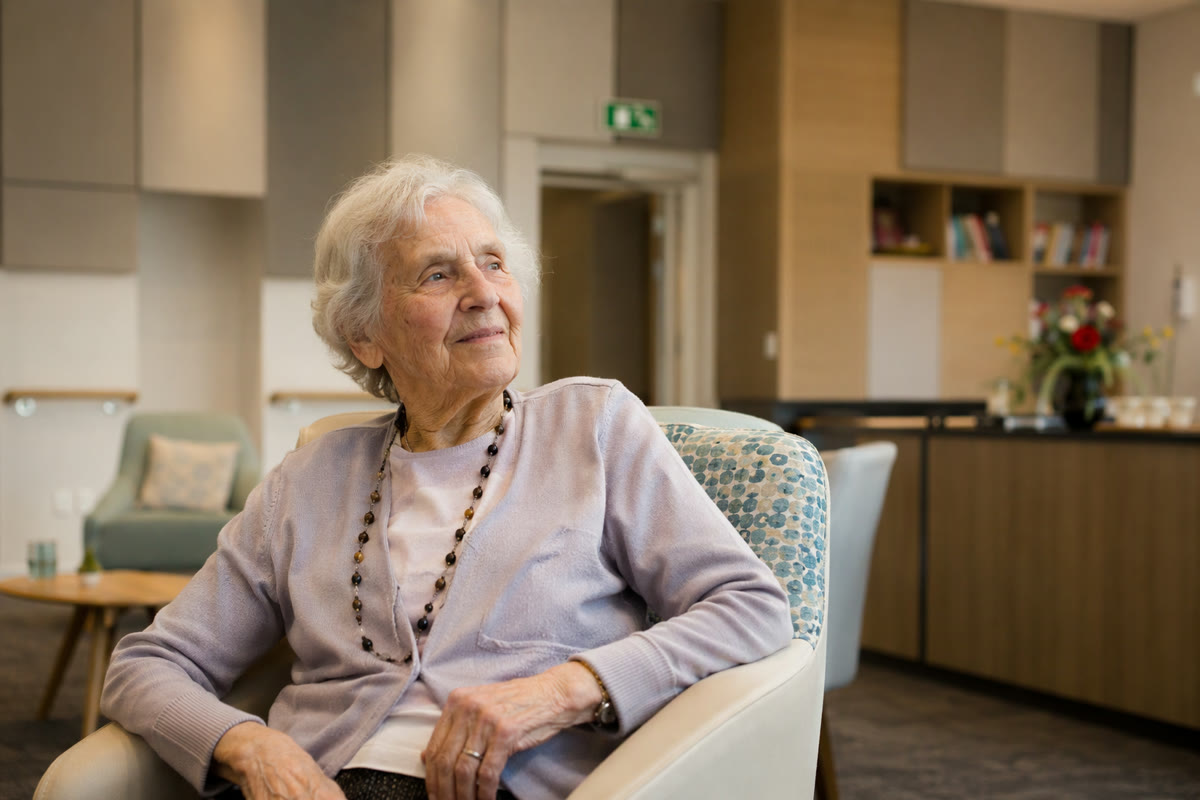
Many older adults in aged care have hearing loss, making it hard to follow conversations when there’s background noise. This can affect meals, care discussions, and family visits.
Sound levels in healthcare settings impact residents’ well-being. Excess noise raises stress and disrupts rest, especially for those who feel lonely or isolated.
Acoustic privacy is essential. When staff manage noise effectively, residents can hear better and feel less overwhelmed or isolated. This improves their connections with others, supports cognitive function, and enhances comfort and well-being.
How Noise Levels Affect Privacy and Calm Environments
Yes, better acoustics can help with dignity and comfort for people in aged care. Too much noise in healthcare settings often comes from trolleys, staff areas, reception areas, compressors, and hard floors that bounce the sound around.
This makes two problems happen at once. Residents find it hard to relax. Also, private conversations can travel to nearby spaces where their confidentiality should be safe.
Some common problems are:
- Not enough speech privacy near a reception desk or waiting room
- Sound bouncing around in rooms with high ceilings and hard flooring
- Noise moving between bedrooms, corridors, and clinical spaces
Key Roles of Acoustic Consultants in Aged Care Design
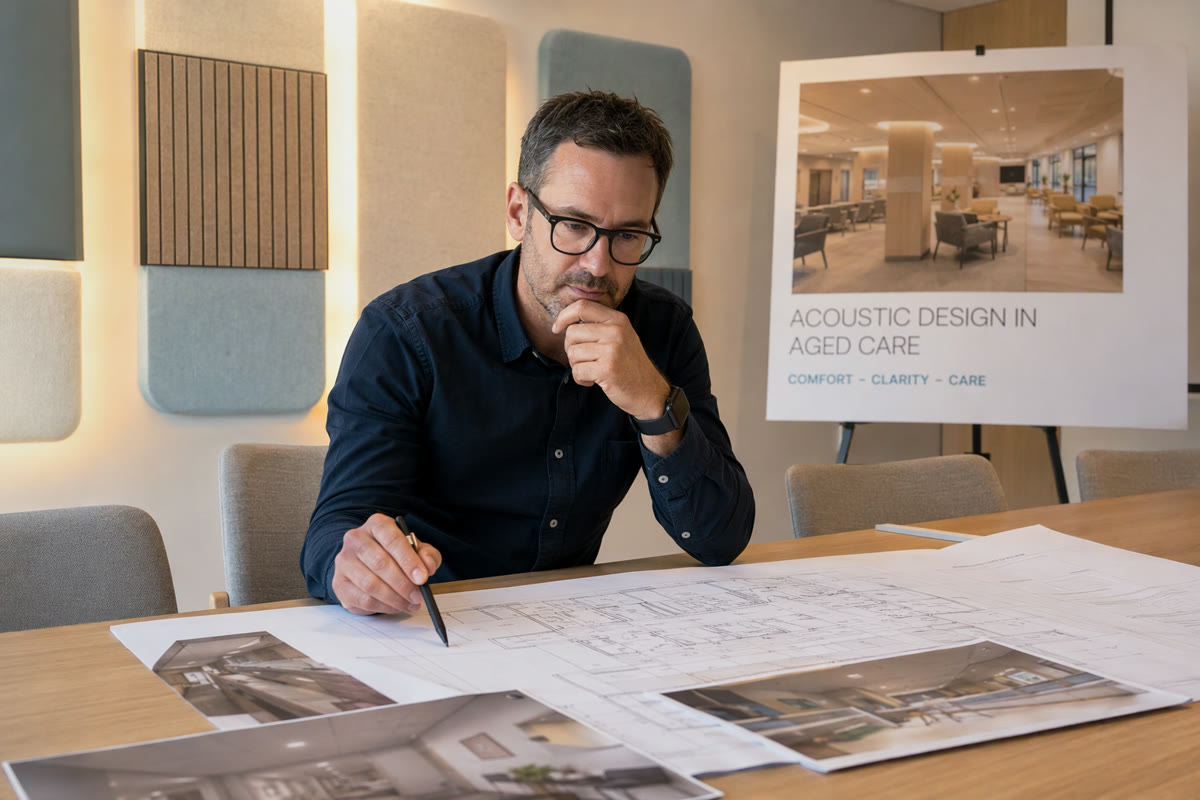
Acoustic consultants help with aged care design in many ways. They check for risks, set targets for how things should sound, and help choose the right steps for sound control. This work keeps things private in bedrooms, meeting rooms, and clinical spaces.
They also work closely with others in the project team. This helps cut down on changes later and supports good care from start to finish. You can see how important this teamwork is when you watch how they work together each day.
Collaborating with Architects and Facility Managers
Acoustic consultants collaborate with architects, facility managers, healthcare providers, builders, and other specialists to ensure acoustic performance aligns with overall design goals.
For architects seeking open communication between staff and residents, consultants help plan room layouts to reduce noise transfer. This may involve adjusting room placements, wall materials, or door and glazing details.
Facility managers rely on consultants during upgrades or repairs. Consultants identify problem areas, provide documentation, and suggest practical solutions that improve comfort without disrupting the rest of the facility.
Step-by-Step Approach to Acoustic Assessments
A typical assessment follows a clear path. Consultants review drawings, identify compliance challenges, and study how rooms will actually be used by residents, staff, and visitors.
Next, they model risks such as reverberation, poor absorption, and weak soundproofing. Then they prepare documentation and specifications that builders and certifiers can follow with confidence.
| Stage | What happens |
|---|---|
| Review | Drawings, brief, and privacy risks are checked |
| Analysis | Noise paths, reverberation, and acoustic performance are assessed |
| Output | Reports, specifications, and approval-ready documentation are prepared |
Essential Acoustic Features for Privacy and Tranquillity
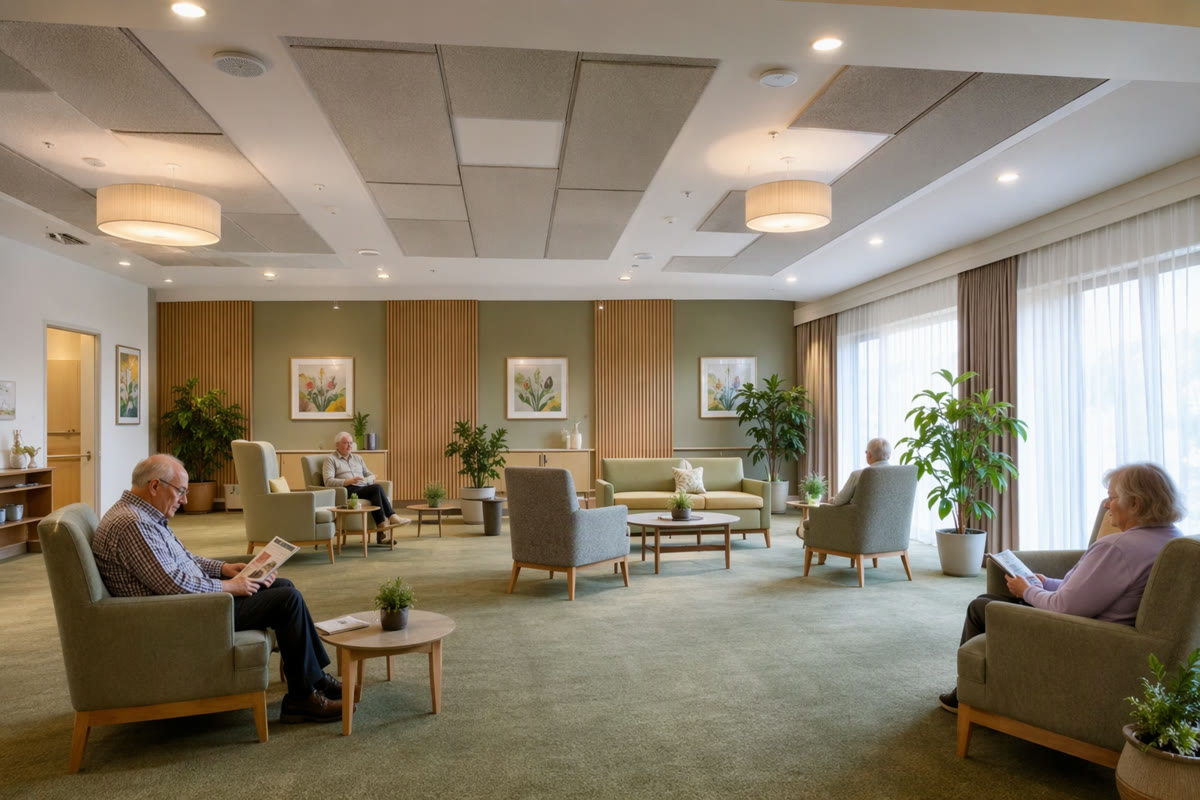
The best features are often simple and set up early. They are connected to how each room works. In aged care design, these ideas help with both sound privacy and everyday comfort.
This helps improve quality of life. It keeps patient privacy safe. Also, shared spaces do not feel too loud or tiring. Two things matter most. The way the rooms are set up and the acoustic treatments used on surfaces.
Zoning, Spatial Layout, and Strategic Room Placement
Zoning and room setup are key to improving speech privacy in aged care. Keeping noisy areas separate from quiet spaces makes sense.
Careful planning is essential. For example, placing a bedroom or consultation room next to busy staff areas or lounges can compromise privacy and quiet.
To improve privacy:
- Separate staff and service areas from residents’ rooms
- Locate private rooms away from reception and hallways
- Group social spaces where noise is expected
These strategies reduce noise and protect privacy for everyone in aged care.
Material Selection: Timber Linings, Absorbers, and Barriers
The materials you use affect how sound travels in a room. Timber linings soften spaces, while other finishes absorb noise and reduce echo.
Consultants often combine surface treatments with insulation and barriers—effective in dining rooms, corridors, and shared lounges where hard finishes can quickly amplify noise.
Common options include:
- Acoustic panels and ceiling tiles to control reverberation
- Soft materials and flooring to limit sound reflection
- Insulated wall and ceiling systems to reduce sound transfer between rooms
Overcoming Challenges in Acoustic Design for Aged Care
Aged care projects face unique acoustic challenges. It is important for designers to keep privacy, supervision, accessibility, compliance, and durability in mind. But they also need to make sure the spaces do not feel cold or closed.
Renovations can be more difficult. Old buildings may have fixed layouts, hard finishes, or services that add to noise. The next two sections talk about common issues: resident dignity and dementia-focused environments.
Balancing Accessibility, Dignity, and Comfort
Good acoustic comfort in aged care shouldn’t restrict movement. Clear paths and accessible spaces are essential for safe, easy navigation.
Dignity matters, too. Personal care, family meetings, and health discussions should remain private—not overheard in hallways or other rooms. Small design changes can greatly improve quiet and privacy.
Experienced acoustic consultants guide aged care teams from the start, ensuring open, supportive spaces that stay peaceful and private for everyone.
Acoustic Solutions for Dementia and High-Care Needs
In dementia care settings, sound deserves more focus. Loud noises, echoes, and poor clarity can cause distress or confusion, especially in shared spaces.
To address this, follow national aged care design principles and tailor solutions to each room—dining areas, corridors, and lounges may need different approaches.
Effective strategies include:
- Acoustic treatments to reduce harsh echoes and unwanted noise
- Layouts that separate noisy zones from quiet areas
- Using materials that absorb sound, are easy to clean, and durable
Conclusion
Acoustic consultants play a vital role in aged care design, creating spaces where residents enjoy privacy and quiet. With growing awareness of how noise affects wellbeing, these experts collaborate with architects and facility managers to implement effective acoustic solutions. Their work enhances comfort and quality of life for older adults. To learn more about customised acoustic strategies for peaceful aged care spaces, request a consultation.
Frequently Asked Questions
Why is acoustic privacy crucial in aged care environments?
Acoustic privacy is very important in aged care. People need to feel safe and respected when they get help, talk about their health, or visit with family. The need for acoustic privacy is strong in healthcare facilities too. It helps give quality care by stopping people from hearing private talks. These places feel better, calmer, and keep what people say more confidential.
How can better acoustics enhance residents’ daily comfort?
Good acoustic comfort can help with wellbeing. It can lower stress and reduce echo. It also makes it easier to hear what people say. In aged care, these things help people rest, talk with others, and keep their privacy. It is best to use acoustic comfort with other design ideas like ventilation and indoor air quality.
What guidelines should be considered for acoustic design in dementia care?
When planning aged care spaces for people with dementia, use national aged care design principles. Pick acoustic treatments that cut down echo, background noise, and loud sounds. This can help lower the chances of agitation and confusion. It is most helpful in shared rooms, corridors, and busy areas used every day.