

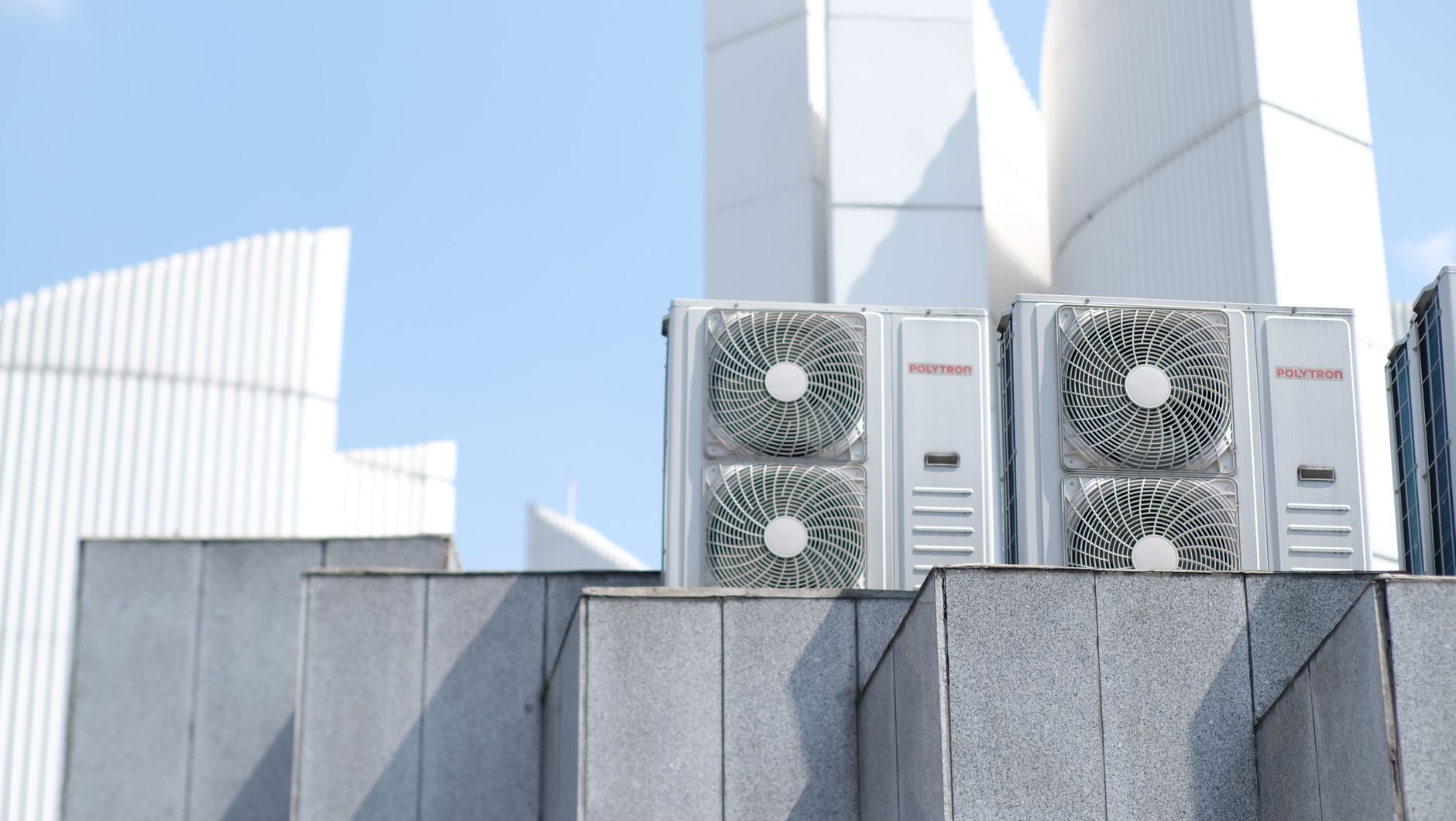
Few things spark thermostat wars faster than a living room that feels chilly while an upstairs bedroom runs stuffy. In many two-story and split-level homes, long duct runs, closed interior doors, and changing outdoor loads can expose airflow and control issues. Whether your system is a heat pump paired with an air handler or a gas furnace with a central AC, the symptoms usually start at the registers and return grilles long before a breakdown. This guide covers clear, safe at-home diagnostics, common causes of hot and cold rooms, when tools and gauges are necessary, and how to prevent the problem from returning after the next season change.
1. Early symptoms that point to airflow or control issues
Uneven rooms often announce themselves with specific clues: a weak push of air at far supply registers, a noisy whistle at one elbow of flex duct, or a thermostat that overshoots by two degrees before the system finally cycles off. You might notice longer run times on cold mornings, short cycling on mild afternoons, or a damp smell near the evaporator coil if condensate is lingering in the pan. If you consistently see two or more of these signs, a local pro such as a Gresham HVAC Contractor can verify what you find and measure what you cannot see, such as total external static pressure and blower performance.
2. Likely culprits behind hot and cold rooms
Airflow restrictions are a top cause. A clogged or overly restrictive high MERV filter drives up static pressure, which starves distant rooms of cubic feet per minute and can lead to evaporator coil icing. Closed or partially closed supply registers do not redirect air to other rooms; they increase pressure and turbulence, making the blower work harder and sometimes louder. An undersized or blocked return grille leaves the air handler gasping, while a crushed section of flex duct or a slipped connection at the plenum bleeds away conditioned air before it reaches the space.
Control and refrigerant side factors also matter. A thermostat mounted near a supply register or in direct sun can end heating or cooling calls too early, leaving far rooms behind. Low refrigerant charge can reduce coil capacity, so bedroom vents feel lukewarm even with a steady blower. An oversized furnace or condenser can short cycle, never running long enough for temperatures to even out between floors. In zoned systems, a stuck or misadjusted zone damper can starve one branch while flooding another, amplifying the imbalance.
3. Safe checks you can do before a truck roll.
Start with the filter. Note its size and MERV rating, and replace it if dirty or buckled. If you use a high MERV media, make sure it is specified for your air handler or furnace; overly restrictive media can push static pressure past the blower’s capability. Confirm every supply register and the main return grille are open and unobstructed by rugs or furniture. With the system running, hold a thin tissue near each vent to compare airflow. Open interior doors or add a temporary undercut gap with a doorstop to create a return path from rooms whose doors are normally closed.
4. Fixes that require tools, gauges, or design changes
Some problems need proper instruments. A technician can read total external static pressure with a manometer, compare it to the blower’s fan table, and adjust an ECM speed tap to move the right volume of air without excessive noise. They can clean a matted evaporator coil that looks fine from the face but is packed with dust on the leaving side, measure superheat and subcooling to confirm charge, and pressure test leaky return trunks that pull unconditioned air from an attic or crawlspace. In persistent problem rooms, solutions may include adding a correctly sized return, sealing joints with mastic, balancing manual dampers, or reconfiguring a long branch run with fewer sharp elbows. In some homes, a thermostat with remote sensors or a modest zoning change is the most reliable path to even temperatures.
When mechanical adjustments and airflow rebalancing are not enough to resolve temperature gaps between rooms, consulting regional cooling specialists can help clarify broader system needs. Homeowners managing persistent summer hot spots often work with professionals providing Westford air conditioning services to evaluate equipment sizing and duct network layout, ensuring consistent cooling performance across every floor.
5. Two realistic scenarios and how to resolve them
Scenario 1: The nursery over the garage runs cold in winter. The branch duct is long, the garage ceiling is poorly insulated, and the door stays closed at night. After replacing a restrictive filter, the fix may combine air sealing and insulating the garage lid, slightly opening a nearby damper to feed that branch, and providing a return path with a jumper duct or door undercut so warm air can actually circulate back to the air handler.
Scenario 2: A bonus room above the stairs runs hot in summer. Afternoon sun loads the space, the thermostat sits in a shaded hallway, and the fan is set to Auto. A pro may verify correct refrigerant charge and clean the outdoor condenser coil to recover capacity, then balance dampers to favor the bonus room during cooling season. At the homeowner level, switching the fan to On for an hour during peak heat can mix stratified air. Still, it may raise indoor humidity because it reevaporates water from the evaporator coil. That is the trade-off to weigh on muggy days.
Preventing recurring hot and cold spots
Prevention starts with airflow discipline. Match filter type to the blower’s capability and change it on schedule, especially during heavy heating or cooling months. Keep at least 18 inches of clearance around the outdoor condenser so it can reject heat, vacuum return grilles to remove lint that sneaks past filters, and resist the urge to close supply registers to rooms you seldom use. If your thermostat supports it, enable remote sensors or average multiple rooms during heating and cooling calls to reduce overshoot. Finally, have the system checked before each peak season so coil cleanliness, blower settings, and static pressure are verified before small imbalances become comfort complaints.
Uneven rooms are rarely mysterious once you examine airflow, load, and controls in that order. A careful filter check, a look at return paths, and a quick pass around registers often reveal the issue you can correct right away. When problems persist, measurements with a manometer and gauges separate design limits from fixable restrictions, guiding targeted repairs like sealing a leaky return or adjusting an ECM speed. With a few habits and the right diagnostic steps, hot and cold rooms can give way to steady comfort across the entire home.








1 thought on “Tracking Down Uneven Heating and Cooling at Home: A Practical Diagnostic Guide”
Comments are closed.