

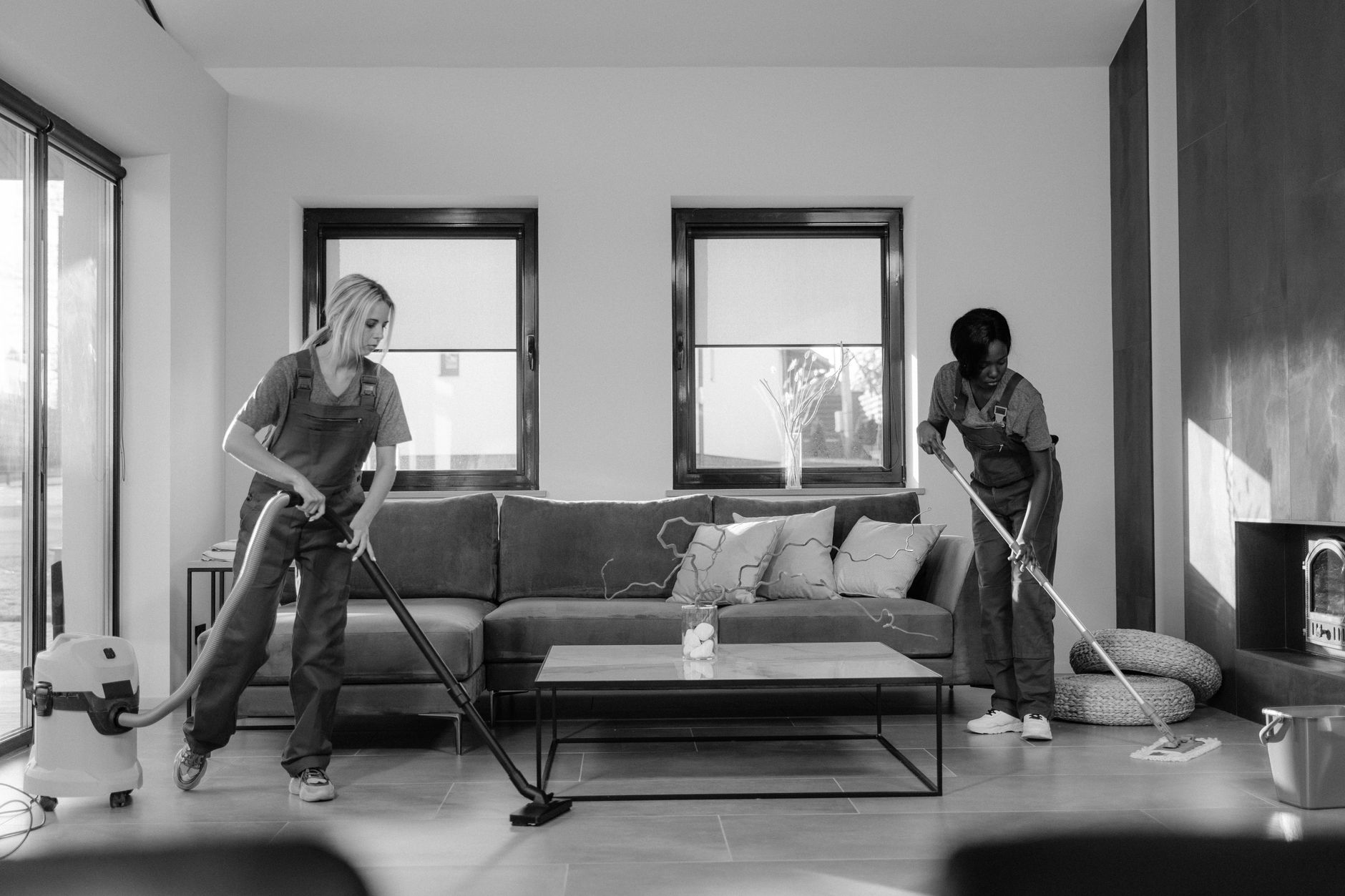
Keeping a home clean, organized, and comfortable is an ongoing responsibility that requires time, effort, and consistency. Everyday activities can quickly create dust, dirt, food particles, stains, pet hair, fingerprints, and clutter in different rooms. Although homeowners can handle many routine chores themselves, demanding work schedules and family responsibilities can make it difficult to maintain every area properly. Professional cleaning can provide valuable support by taking care of important household tasks and allowing residents to spend more time on other priorities. When choosing cleaning services, homeowners should consider the size of the property, the areas that require attention, the preferred cleaning schedule, the products being used, and the overall level of professionalism offered by a provider. A suitable cleaning plan should match the actual needs of the household rather than simply following a standard package. Clear communication before the first appointment can also help prevent misunderstandings about prices, responsibilities, and expected results. Whether the goal is routine maintenance, detailed seasonal work, or preparation for a special occasion, a structured approach can make household cleaning easier to manage. With the right planning and consistent habits, homeowners can create an environment that remains fresh, organized, welcoming, and comfortable throughout the year.
Understand Your Household Cleaning Requirements
Before hiring a professional provider, homeowners should identify the areas of their property that require the most attention. Every household has unique cleaning requirements based on the number of residents, lifestyle, pets, children, work schedules, and frequency of visitors. A home with several occupants may need more frequent attention than a smaller property with fewer people. Similarly, homes with pets may require additional vacuuming and attention to hair and odors. Homeowners should make a list of essential tasks before contacting a provider so that expectations can be communicated clearly. Kitchens, bathrooms, bedrooms, living areas, floors, windows, furniture, appliances, and storage spaces may all require different levels of attention. It is also useful to separate regular tasks from occasional tasks that only need to be completed monthly, seasonally, or when necessary. This preparation allows homeowners to compare providers based on their actual needs rather than choosing an option simply because it has a low advertised price. Understanding requirements in advance can also make it easier to create a realistic schedule and budget. A well-planned cleaning routine is more likely to remain consistent over the long term.
Decide How Frequently Your Home Should Be Cleaned
Cleaning frequency should depend on how quickly dirt, dust, and clutter accumulate inside the property. Some households benefit from weekly professional visits because regular maintenance prevents buildup from becoming difficult to remove. Other homes may only require biweekly appointments because residents can manage basic cleaning tasks between visits. Monthly appointments can be suitable for homeowners who mainly need help with detailed chores or areas that are difficult to maintain regularly. Seasonal cleaning may be useful for windows, storage areas, vents, appliances, and other locations that do not require weekly attention. Maintaining exterior glass surfaces regularly helps keep living spaces bright and prevents hard water spots or mineral buildup from damaging panes over time. Routine upkeep also maximizes natural daylight throughout every season. Homeowners seeking reliable assistance with exterior glass maintenance often turn to specialized services like Glide Window Cleaning to keep exterior views clear and preserve property appearance. Homeowners should consider their schedules honestly before deciding how frequently a provider should visit. A cleaning schedule should fit naturally into the household budget and lifestyle rather than creating additional financial or scheduling pressure. Regular maintenance can also reduce the amount of time required during each visit because dirt is addressed before it becomes excessive. Consistency is often more effective than allowing the property to become heavily soiled and then attempting to complete every task at once. A predictable schedule makes household maintenance easier to organize and helps homeowners maintain a consistent standard throughout the year.
Compare Available Service Packages
Different providers may offer different packages, so homeowners should carefully review what is included before making a final decision. Basic cleaning packages commonly include dusting, vacuuming, sweeping, mopping, bathroom cleaning, kitchen surface cleaning, and removal of household waste. More comprehensive options may include appliance cleaning, cabinet interiors, baseboards, window areas, upholstery, detailed floor care, and other specialized tasks. Homeowners should ask whether these additional tasks are included in the advertised price or require separate charges. It is equally important to determine whether the provider supplies its own cleaning products and equipment or expects customers to provide them. Some households may have preferences regarding fragrances, chemicals, or environmentally conscious products, while others may have delicate surfaces requiring specific treatment. A written description of the services can help prevent confusion about what will be completed during each appointment. Homeowners should compare the overall value of a package rather than focusing only on the lowest price. Understanding exactly what is included makes it easier to select a provider that matches household expectations. While home environments require tailored routines, commercial settings like workplaces or corporate hubs often demand structured schedules to maintain tidy workspaces. Businesses seeking tailored commercial sanitization solutions frequently rely on established teams like Australian Cleaning Care to ensure consistent floor maintenance, desk hygiene, and presentable common spaces throughout the workweek. This approach can also reduce the possibility of unexpected costs later.
Consider Professional Experience and Training
Experience can be an important factor when selecting a cleaning provider because different homes contain different surfaces, layouts, furnishings, and cleaning challenges. Experienced cleaners are generally more familiar with materials such as hardwood, tile, stone, glass, carpet, upholstery, stainless steel, and painted surfaces. They may also have established procedures for completing tasks efficiently without overlooking important details. Homeowners can ask how long a provider has been operating and whether staff members receive training in appropriate cleaning methods. However, experience should not be considered the only measure of quality. Professionalism, reliability, communication, and attention to detail are also important. A newer company with properly trained staff and strong procedures can sometimes provide excellent results. Reviews and recommendations may offer useful information about previous customers’ experiences, but homeowners should consider several factors before making a decision. The ideal provider should demonstrate practical knowledge while also treating the property and personal belongings respectfully. Taking time to evaluate these qualities can help homeowners establish a more dependable long-term arrangement and reduce the likelihood of problems.
Evaluate Reliability and Communication
Good communication is essential when arranging regular appointments because homeowners need to know when cleaners will arrive and what work will be performed. A professional provider should clearly explain appointment schedules, pricing, payment methods, cancellation policies, and procedures for special requests. Homeowners should also have a straightforward way to contact the company if they need to make changes or report a concern. Reliability means more than arriving on time; it also involves maintaining consistent standards from one visit to the next. If different team members visit the property, the company should have systems that help ensure important tasks are not forgotten. Homeowners should feel comfortable explaining areas that need extra attention or identifying spaces that should not be accessed. Clear communication benefits both parties because it gives cleaners a better understanding of household priorities while helping homeowners maintain realistic expectations. The initial communication with a provider can often reveal a great deal about its professionalism. If questions are answered clearly and respectfully from the beginning, homeowners may feel more confident about establishing an ongoing relationship. Reliable communication can make recurring cleaning arrangements much easier to manage.
Ask About Products and Equipment
The products and equipment used during professional cleaning can affect both the quality of results and the condition of household surfaces. Different materials require different cleaning techniques, and unsuitable products can damage wood, stone, glass, metal, fabrics, or painted finishes. Homeowners should ask which products the provider normally uses and whether alternatives are available if particular products are unsuitable. Some households may prefer fragrance-free products, while others may have concerns about certain ingredients. Delicate materials should be identified before cleaning begins so the appropriate methods can be selected. Professional cleaners should also understand that excessive moisture, abrasive tools, or strong chemicals can cause unnecessary damage. Equipment such as quality vacuum cleaners, microfiber cloths, mops, brushes, and specialized tools can improve efficiency when used correctly. Homeowners should determine whether standard equipment is included in the service price or whether specialized equipment costs extra. Discussing these details before work begins helps protect the property and ensures that everyone understands how cleaning will be performed. Proper products and equipment can contribute to better results while preserving the condition of household surfaces.
Prepare Your Home Before the Appointment
A small amount of preparation can help professional cleaners use their scheduled time more effectively. Homeowners do not need to clean their property before cleaners arrive, but they can put personal belongings in their usual places so surfaces and floors remain accessible. Clothing, toys, dishes, paperwork, and loose items can be organized before the appointment. Clear floors make vacuuming and mopping easier, while uncluttered countertops allow cleaners to focus on kitchen and bathroom surfaces. Fragile, valuable, or highly personal belongings can be stored safely if homeowners do not want them handled. Pets may also need to be placed in a secure area if they become nervous around unfamiliar people or cleaning equipment. Homeowners should explain if certain rooms, cabinets, drawers, or personal areas should not be accessed. This information should ideally be provided before the cleaning begins so there is no uncertainty during the appointment. Preparing the property can help cleaners spend more time performing actual cleaning tasks instead of moving personal belongings. It can also make it easier to reach corners, floors, and surfaces that might otherwise remain blocked.
Give the Kitchen Proper Attention
The kitchen is one of the busiest rooms in most homes and often requires considerable cleaning because cooking creates grease, crumbs, spills, fingerprints, and food residue. Countertops, cabinets, sinks, faucets, backsplashes, appliances, and floors can all accumulate buildup during normal daily use. Cleaning products should be selected according to the materials being treated to avoid scratching or damaging surfaces. Cabinet handles and edges may require extra attention because they are touched frequently. Appliance doors, buttons, and handles can also develop fingerprints and grease. Depending on the selected package, homeowners may request cleaning for ovens, refrigerators, microwaves, or cabinet interiors. Floors should usually be cleaned after higher surfaces so that dust and debris do not fall onto freshly cleaned areas. Food storage areas should remain organized so shelves and corners can be accessed easily. Regular kitchen maintenance prevents residue from becoming difficult to remove and contributes to a more pleasant cooking environment. Since kitchens are often central gathering areas, keeping them clean can also improve the overall appearance and comfort of the home.
Maintain Bathrooms Consistently
Bathrooms need regular attention because they are exposed to moisture, soap residue, hair, mineral deposits, and frequent use. Sinks, toilets, showers, tubs, mirrors, countertops, faucets, cabinets, and floors may all require routine care. Tile and grout can become particularly challenging when dirt becomes embedded in textured surfaces. Cleaning products should be selected according to the materials being treated, and abrasive tools should be avoided when they could damage finishes. Glass shower doors may need appropriate products to reduce streaks and residue. Cabinets and drawers can collect dust and product residue and should receive periodic attention when included in the cleaning plan. Ventilation covers may also collect dust and should be cleaned using suitable methods. Homeowners should mention stubborn stains or difficult areas before the appointment so cleaners can plan accordingly. Consistent bathroom maintenance helps prevent heavy buildup and reduces the amount of work required during future visits. A clean bathroom can also make the home feel fresher and more comfortable for everyone using it.
Protect Different Flooring Materials
Floors experience constant traffic and can quickly collect dust, dirt, hair, food particles, and outdoor debris. Different flooring materials require different cleaning approaches, so homeowners should make sure the cleaning team knows what types of flooring are installed. Hardwood, laminate, vinyl, tile, stone, and carpet should not automatically be treated with the same products or amount of moisture. Vacuuming should reach corners and edges whenever possible, while furniture can be moved carefully when appropriate. Carpets may need detailed vacuuming to remove embedded debris, and rugs should be treated according to their care instructions. Hard floors should generally be swept or vacuumed before mopping so loose particles are not spread across the surface. Baseboards and floor edges can also collect dust and should receive periodic attention. Appropriate floor maintenance can improve the appearance of the property and help preserve flooring over time. Regular cleaning also reduces buildup and makes more detailed maintenance easier. A thoughtful approach to flooring can prevent avoidable damage while keeping rooms looking fresh.
Keep Furniture and Upholstery Fresh
Furniture can collect dust, crumbs, pet hair, and everyday debris, particularly underneath cushions and around corners. Sofas, chairs, tables, cabinets, shelves, and other furnishings should be cleaned according to their materials and care requirements. Removable cushions can often be lifted so hidden areas can be vacuumed. Upholstery needs particular care because different fabrics can react differently to moisture and cleaning products. Wooden furniture may require suitable products that clean without affecting the finish. Decorative objects should be handled carefully, especially when they are fragile or valuable. Homeowners should explain any special instructions before cleaners begin working. Regular dusting and vacuuming can help prevent buildup and preserve the appearance of furnishings. Areas beneath larger furniture pieces should also receive periodic attention when they can be accessed safely. Clean furniture contributes to the overall appearance of the home because furnishings occupy a significant amount of visible space. Proper care can also help extend the useful life of household items.
Maintain Bedrooms and Personal Spaces
Bedrooms should receive regular attention because they are used every day and can accumulate dust, hair, fabric fibers, and other particles. Routine tasks may include dusting furniture, vacuuming floors, cleaning mirrors, removing visible debris, and wiping accessible surfaces. Bedding should be washed according to its care instructions, while mattresses and pillows should receive appropriate maintenance. Areas beneath beds can collect dust and should be addressed periodically. Closets and drawers may also accumulate lint and debris, especially when they are frequently used. Homeowners can make cleaning easier by keeping clothing, shoes, and personal belongings organized. Curtains, blinds, ceiling fans, and windows can receive additional attention during periodic detailed visits. A professional cleaning plan can be adjusted according to which bedroom areas require the most assistance. Regular bedroom maintenance can contribute to a more comfortable environment and reduce dust accumulation. An organized bedroom also allows cleaners to work more efficiently because fewer belongings need to be moved.
Organize Storage Areas
Storage spaces are often overlooked because their contents can hide dust and debris. Closets, cabinets, pantries, utility rooms, shelves, and other storage areas should be cleaned periodically to prevent buildup. Homeowners can remove unnecessary belongings and organize items before detailed cleaning appointments so surfaces remain accessible. Food storage spaces should be checked for expired products, crumbs, spills, and damaged packaging. Clothing storage areas may collect lint and dust around shelves and floor edges. Utility rooms require additional care because they may contain equipment or electrical components that should not be disturbed unnecessarily. Restricted or sensitive areas should be identified clearly before cleaning begins. Organized storage spaces make cleaning easier and help homeowners identify problems such as moisture, leaks, damaged items, or unusual odors. They also reduce clutter and create more usable space. Maintaining storage areas can therefore support both cleanliness and organization. Even spaces that are not visible to visitors deserve periodic attention because neglected buildup can eventually spread to other parts of the home.
Focus on High-Touch Surfaces
Frequently touched surfaces can accumulate fingerprints, oils, dust, and residue throughout the day. Door handles, cabinet pulls, light switches, faucets, appliance handles, railings, and commonly used controls should be included in appropriate cleaning routines. Different surfaces may require different methods, particularly when electronics are involved. Electronic devices should not be saturated with cleaning liquid, and manufacturer instructions should be followed whenever available. Homeowners can identify areas that receive unusually heavy use and request additional attention when necessary. Although high-touch surfaces are often small, they can significantly affect the overall feeling of cleanliness. A detailed checklist can help prevent them from being overlooked during larger cleaning appointments. Consistent attention to these surfaces complements the cleaning of floors, furniture, kitchens, and bathrooms. Small details can make a noticeable difference in the final result. A complete cleaning routine should therefore address both large visible areas and frequently handled surfaces.
Prepare for Special Events
Special occasions can create additional cleaning requirements before and after guests visit. Homeowners may want kitchens, bathrooms, living areas, guest rooms, floors, and seating areas to receive extra attention before an event. Afterward, spills, food residue, clutter, and increased household waste may require another cleaning session. Professional cleaning assistance can reduce the workload during these busy periods and allow homeowners to focus on other preparations. The cleaning team should be informed about the event and any priority areas before the appointment. Bathrooms and kitchens often require particular attention when several guests are expected. Floors and seating areas may also need additional care after gatherings. Scheduling in advance can be helpful because providers may have limited availability during busy periods. A planned cleaning appointment can help prepare the home for guests and restore order afterward. This approach allows homeowners to enjoy special occasions without becoming overwhelmed by the cleaning responsibilities surrounding them.
Combine Professional Support With Daily Habits
Professional cleaning works best when combined with simple household habits between appointments. Homeowners can put belongings away after use, wipe spills promptly, wash dishes regularly, remove household waste, and manage visible clutter. These small actions prevent minor problems from becoming larger cleaning challenges. A professional provider can then focus on tasks that require more time, equipment, or detailed attention. Homeowners should also inspect the property for maintenance concerns such as leaks, moisture, damaged fixtures, or deteriorating surfaces. Cleaners may notice unusual conditions while working, but repairs should be handled by the appropriate qualified professionals. Reducing clutter is especially useful because clear surfaces are easier to access and maintain. A consistent combination of daily habits and professional assistance can make household maintenance more manageable. Rather than relying on occasional intensive cleaning, homeowners can develop a system that keeps the property at a comfortable standard throughout the year.
Ask Important Questions Before Hiring
Before choosing a provider, homeowners should ask clear questions about services, pricing, scheduling, products, equipment, staff, cancellations, and special requests. They should confirm which rooms and tasks are included in the standard package and which services require additional charges. It is also useful to ask whether the same cleaning team will return for recurring visits or whether staff members may change. If the property contains pets, fragile belongings, delicate surfaces, or restricted rooms, these details should be discussed before the first appointment. Homeowners should also understand how complaints, missed tasks, or quality concerns are handled. A professional company should be willing to explain its policies and procedures clearly. Asking questions before hiring can prevent misunderstandings and help both sides establish realistic expectations. Comparing responses from several providers can make the decision easier. Taking time to research a provider before committing to recurring appointments can contribute to a better and more dependable experience.
Build a Sustainable Cleaning Routine
A sustainable home cleaning routine should balance professional assistance with the tasks household members can reasonably handle themselves. Instead of allowing dirt and clutter to accumulate for long periods, homeowners can address small problems regularly and schedule more detailed cleaning when necessary. Weekly or biweekly appointments may provide useful support for busy households, while monthly or seasonal visits can focus on areas that need less frequent attention. Homeowners can maintain a checklist to ensure important tasks are completed according to a predictable schedule. Organization is also important because uncluttered rooms are easier to clean and maintain. When household members contribute to everyday upkeep, professional cleaners can spend more of their time on detailed work. A realistic routine should not be so demanding that it becomes difficult to follow. The goal is to create a system that keeps the property comfortable without making cleaning a constant source of stress. Over time, consistent maintenance can make the entire process more efficient and manageable.
Conclusion
Choosing the right cleaning services requires careful consideration of household needs, service options, frequency, experience, reliability, communication, products, and equipment. Professional assistance can save valuable time and help homeowners maintain a cleaner, more organized, and comfortable living environment. The best results usually come from establishing clear expectations before work begins and communicating special requirements openly. Kitchens, bathrooms, floors, bedrooms, furniture, storage spaces, and high-touch surfaces all require suitable methods based on their materials and level of use. Preparing the property before appointments can also help cleaning teams work efficiently and focus on important tasks. Combining professional support with simple daily habits can prevent excessive buildup and make household maintenance easier. Homeowners should periodically review their cleaning routine and adjust it when household circumstances change. By researching providers carefully, asking useful questions, and maintaining a realistic schedule, homeowners can create a dependable approach to household care. A clean and organized home is easier to enjoy when maintenance becomes part of a consistent routine rather than an overwhelming task.











2 thoughts on “Smart Ways to Choose Cleaning Services and Keep Your Home Clean, Organized, and Comfortable”
Comments are closed.