

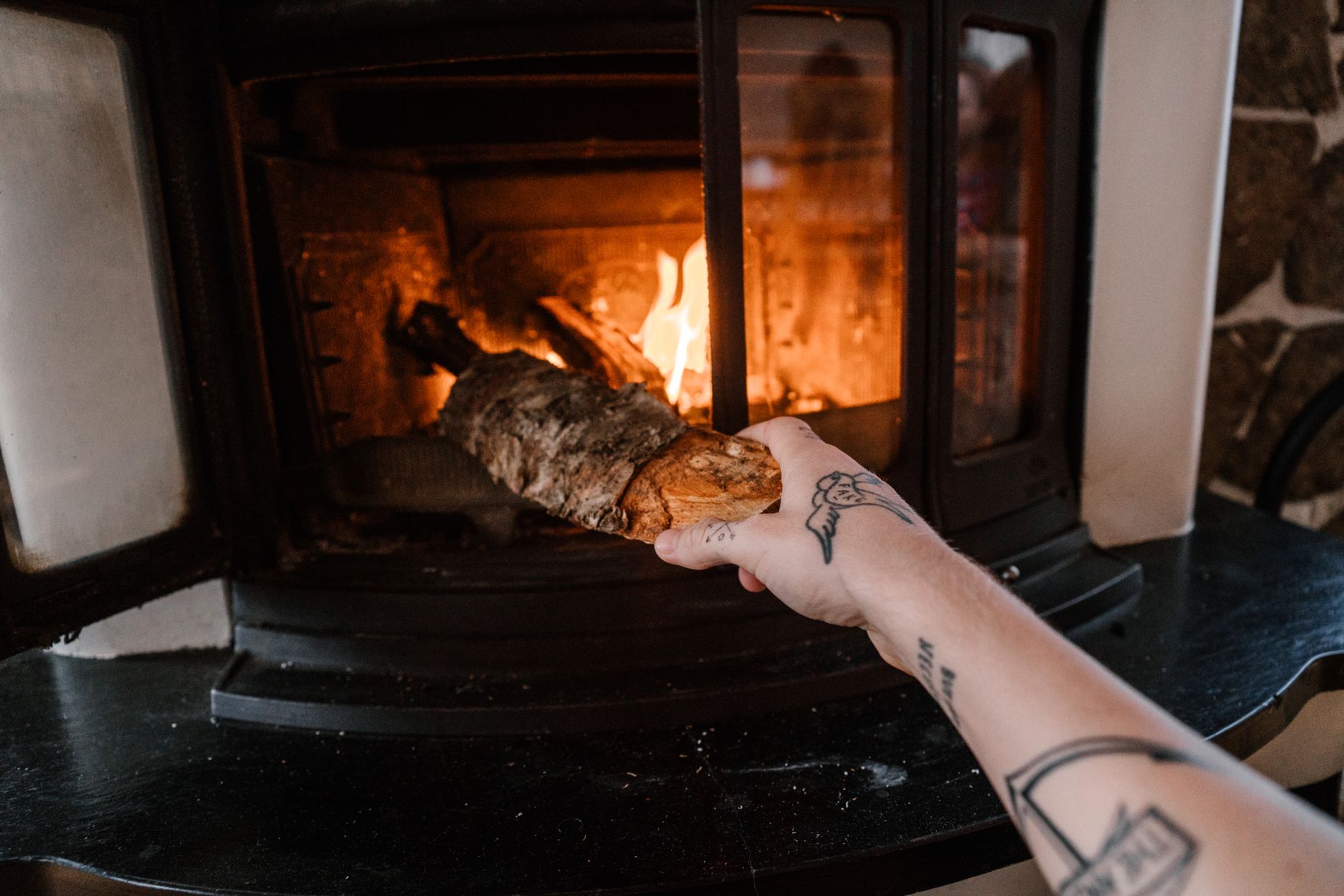
A fireplace can add warmth, comfort, and character to a home, but its performance depends on the condition of several connected components. The chimney, flue, firebox, liner, cap, crown, flashing, and surrounding masonry all contribute to safe and effective operation. Over time, smoke, soot, creosote, ash, moisture, and debris can accumulate or cause deterioration. Without regular attention, these issues may reduce airflow, affect combustion, or create conditions that require expensive repairs. A well-planned maintenance routine helps homeowners identify developing concerns before they become serious. Understanding the different parts of the system and knowing which warning signs require professional attention can make fireplace ownership safer and more manageable.
Understanding Fireplace Performance
Fireplace performance depends heavily on proper airflow and ventilation. When a fire burns, combustion produces smoke and gases that need to travel through the flue and exit above the structure. A properly functioning system creates enough draft to move these byproducts away from the living space. If the flue becomes restricted by deposits, debris, or structural deterioration, airflow may become less effective. This can result in smoke entering the room, difficulty maintaining a fire, or unusual odors.Several factors influence how efficiently a fireplace operates. The type of fuel, moisture content of firewood, design of the fireplace, size of the flue, condition of the liner, and available air supply can all affect performance. A problem that appears to be related to one component may actually originate elsewhere. For example, poor drafting may be associated with an obstruction, inadequate room ventilation, or a damaged flue rather than simply surface buildup. A complete inspection can help determine the actual cause instead of relying on assumptions.
Why Regular Maintenance Is Important
Regular maintenance helps preserve both the functional and structural aspects of a fireplace system. Soot and creosote can gradually accumulate inside a flue, while moisture can damage masonry and metal components. If these conditions are allowed to continue, the system may become less efficient and more difficult to maintain. Small problems can also become more complicated when they remain unnoticed for long periods.Routine care provides an opportunity to identify changes in the system before they become major concerns. Homeowners should pay attention to unusual smoke behavior, persistent odors, visible staining, deteriorating masonry, damaged caps, and changes in fireplace performance. Professional inspections can provide a more detailed assessment of areas that cannot be easily viewed from the fireplace opening. Combining routine observation with professional evaluation creates a more reliable maintenance strategy.
Understanding Soot and Combustion Deposits
Burning fuel naturally produces byproducts that can settle inside the flue. Wood-burning fireplaces commonly produce soot and creosote, while other fuel systems may produce different residues. The amount of accumulation can depend on how the fire burns, the moisture level of the fuel, the design of the appliance, and the frequency of use. Low-temperature fires and damp wood can contribute to greater smoke production and may encourage additional deposits inside the flue.Not all deposits have the same appearance or consistency. Some may be light and powdery, while others can become sticky, flaky, or hardened. Dense deposits can be more difficult to remove and may require specialized equipment. Homeowners should not judge the condition of the entire flue based solely on what can be seen around the fireplace opening. Deposits can accumulate higher inside the chimney where they are not visible without appropriate inspection tools.
The Role of Professional Inspection
Professional inspection is an important part of maintaining a fireplace because much of the ventilation system is hidden from normal view. A qualified technician can examine accessible portions of the flue, fireplace, liner, cap, crown, and surrounding masonry. Specialized inspection equipment may also be used when a closer examination is necessary. This can help identify cracks, obstructions, excessive deposits, displaced components, and other concerns.An inspection is particularly useful when the fireplace has not been used for an extended period, when unusual odors or smoke are noticed, or when the structure has experienced significant weather exposure. It can also be beneficial after purchasing a property where the maintenance history is unknown. The purpose of an inspection is not merely to identify dirt or residue but to evaluate the overall condition of the system. This broader approach can help homeowners prioritize necessary work and avoid overlooking hidden problems.
Maintaining the Flue
The flue is one of the most important parts of a fireplace ventilation system because it provides the passage through which smoke and combustion gases travel. Its size and condition affect how effectively the system drafts. Cracks, excessive deposits, damaged liners, or obstructions can interfere with normal airflow. Even if the fireplace appears to work normally, deterioration inside the flue may remain unnoticed until the condition becomes more serious.Different flue materials require different maintenance approaches. Clay liners, metal liners, masonry passages, and other systems can respond differently to heat, moisture, and mechanical cleaning. A suitable maintenance method should take the construction and condition of the flue into account. Excessive force or inappropriate equipment may damage fragile components. Professional technicians can select suitable tools and techniques according to the specific system.
Managing Creosote Accumulation
Creosote deserves particular attention in wood-burning fireplaces because it is combustible and can accumulate on interior surfaces. It develops when smoke and combustion vapors condense inside the flue, particularly when the gases cool before exiting. The amount produced can vary depending on the type of wood, moisture content, burning temperature, airflow, and fireplace design. Repeated use without appropriate maintenance can allow deposits to build up over time.The condition of creosote can change as accumulation increases. Light deposits may be relatively loose, while older material can become harder and more difficult to remove. Severe buildup may require specialized techniques rather than ordinary brushing. Homeowners should avoid attempting complicated removal without proper knowledge and equipment. Professional assessment can determine the amount and type of buildup and identify the most appropriate approach for maintaining the flue.
Choosing Better Firewood
The type and condition of firewood can influence the amount of smoke and residue produced during combustion. Properly seasoned wood generally contains less moisture than freshly cut wood, allowing it to burn more efficiently under suitable conditions. Damp wood can create more smoke and may contribute to greater condensation inside the flue. Storing firewood properly helps protect it from excessive moisture and makes it more suitable for burning.Homeowners should also avoid burning inappropriate materials such as plastics, painted materials, treated wood, household waste, or other items not intended for fireplace use. These materials can produce undesirable emissions and residues and may damage components. Following the appliance manufacturer's fuel recommendations is important. Responsible fuel selection does not eliminate the need for maintenance, but it can help reduce unnecessary buildup and support more consistent fireplace performance.
Protecting the Chimney Cap
A chimney cap helps prevent rain, leaves, twigs, animals, and other debris from entering the flue. When the cap is damaged or missing, the chimney may be more exposed to moisture and obstructions. Water entering from above can affect masonry, mortar, liners, and metal components. Animals may also attempt to build nests inside an unprotected flue, creating a potential obstruction.The cap should be inspected periodically for corrosion, cracks, loose fasteners, or physical damage. A replacement cap should be appropriate for the design and ventilation requirements of the chimney. It should prevent unwanted materials from entering without interfering with the proper release of combustion gases. Keeping this component in good condition is a relatively simple preventive measure that can protect several other parts of the system.
Maintaining the Chimney Crown
The crown is located near the top of many masonry chimneys and is designed to direct water away from the structure. Cracks or deterioration in this area can allow moisture to penetrate the masonry. Water entering through the top can contribute to damaged mortar, staining, corrosion, and freeze-related deterioration. Because the crown is continuously exposed to weather, it should be included in routine inspections.A properly maintained crown should encourage water to drain outward rather than remain on the surface. Cracked edges, gaps, and damaged sections should be evaluated before they allow substantial moisture penetration. Repair materials should be compatible with the existing construction and appropriate for outdoor exposure. If the crown has extensive deterioration, simply covering individual cracks may not provide a lasting solution. Addressing the source of moisture is an important part of protecting the masonry below.
Checking Flashing and Roof Connections
The area where a chimney meets the roof is particularly vulnerable to water intrusion. Flashing helps direct rainwater away from this junction and prevents it from entering the building envelope. Over time, flashing may corrode, loosen, crack, or separate from adjacent materials. Sealants used around these connections can also deteriorate due to weather and normal movement.Water entering through damaged flashing may travel along hidden pathways before appearing inside the home. Interior stains near the ceiling or walls surrounding a chimney can therefore indicate a roof connection problem rather than an interior fireplace issue. Flashing should be inspected whenever moisture is suspected. In some cases, replacement or reconstruction may be necessary rather than simply applying additional sealant over old material.
Managing Masonry Deterioration
Brick and mortar can deteriorate gradually as they are exposed to moisture and temperature changes. Cracks, open joints, spalling surfaces, loose bricks, and white deposits can all indicate that the masonry requires attention. Some deterioration may be primarily cosmetic, while other conditions can affect structural stability. The location and pattern of damage can provide useful information about possible causes.Moisture is frequently involved in masonry deterioration, but it is not always the only factor. Thermal movement, settlement, improper materials, age, and previous repairs can also contribute. A repair that addresses only the visible crack may not solve the underlying problem. The entire surrounding area should be evaluated so that the correct repair approach can be selected. Compatible mortar and masonry materials are particularly important when working with older structures.
Improving Ventilation
Proper ventilation is essential for moving combustion gases away from the living area. A fireplace requires an appropriate balance between the amount of air entering the room and the air leaving through the flue. If the building is extremely airtight, the fireplace may not receive enough replacement air for effective drafting. This can sometimes contribute to smoke entering the room or difficulty maintaining a fire.Ventilation problems can have several causes, so homeowners should not automatically assume that cleaning or maintenance will resolve every drafting issue. A professional can evaluate the appliance, flue, room conditions, and surrounding ventilation system. Changes to the building, such as new windows, doors, insulation, or exhaust fans, can sometimes influence airflow. Understanding these interactions can help identify why a fireplace behaves differently after a renovation.
Cleaning the Fireplace Area
The firebox and surrounding area should also be kept in suitable condition. Ash accumulation can affect how a wood-burning fireplace operates, although some systems are designed to retain a particular amount of ash. Homeowners should follow the manufacturer's recommendations for ash removal and storage. Ash can retain heat for a surprisingly long time, so it should be handled carefully and placed in a suitable non-combustible container.The surrounding area should be checked for soot, discoloration, loose materials, and signs of excessive heat. Screens, doors, and other protective components should operate properly. Keeping the fireplace area orderly makes it easier to notice changes in condition. If unusual staining, cracking, or odors develop, these signs should be investigated rather than covered or ignored.
Understanding When Cleaning Is Necessary
The need for maintenance depends on how often a fireplace is used and what type of fuel it burns. A fireplace used frequently with wood may accumulate deposits more quickly than one used occasionally. The moisture content of firewood, combustion conditions, and appliance design also influence accumulation. There is therefore no universal schedule that works perfectly for every household.Professional inspection can help determine when the system requires attention. If previous inspections have shown heavy buildup, more frequent monitoring may be appropriate. Homeowners should also pay attention to changes in fireplace behavior between inspections. Persistent smoke, unusual odors, reduced draft, or visible deposits may indicate that the system needs evaluation sooner than originally planned.
Common Maintenance Mistakes to Avoid
One common mistake is assuming that a chimney is safe simply because the fireplace appears to operate normally. Some problems, including liner damage and hidden moisture intrusion, may not immediately affect performance. Another mistake is waiting until there is a major smoke problem before arranging an inspection. Preventive maintenance is generally easier than responding to extensive deterioration after it has developed.Another mistake is using inappropriate materials or attempting complex work without proper training. Masonry, roof access, flue components, and heavy deposits can all present hazards. Incorrect repairs can also cause additional damage. Homeowners can perform reasonable visual checks and routine tasks according to manufacturer guidance, but complicated structural or ventilation work should be handled by qualified professionals.
Planning Long-Term Maintenance
A long-term maintenance plan can make fireplace care more predictable. Homeowners can keep records of inspections, maintenance dates, repairs, materials, and observations. Photographs can also provide a useful reference for comparing the condition of the system over time. This documentation can help identify gradual changes and provide future contractors with valuable information.A maintenance plan should consider the entire system rather than focusing on one component. The fireplace, flue, liner, cap, crown, flashing, masonry, and surrounding roof should all be considered. If one component deteriorates, it can affect another. Addressing connected problems together can reduce the likelihood of repeated repairs and improve the overall performance of the system.
Benefits of Preventive Care
Preventive maintenance can provide several advantages beyond immediate fireplace performance. Keeping the flue clear and components in good condition can support proper ventilation and reduce the chance of unexpected problems. Protecting masonry and roof connections from moisture can also extend the service life of the structure. Early attention may reduce the need for extensive restoration later.Preventive care can also provide peace of mind because homeowners have a clearer understanding of the condition of their fireplace system. Instead of waiting for smoke problems, leaks, or visible structural deterioration, they can identify potential concerns during scheduled inspections. This makes it easier to budget for maintenance and prioritize necessary improvements. A consistent routine is generally more manageable than responding to emergencies.
Final Thoughts
Chimney cleaning is an important part of maintaining a fireplace and its ventilation system, but it should be considered alongside inspection, moisture control, masonry maintenance, and proper fuel practices. Soot, creosote, debris, and other deposits can accumulate inside a flue and affect airflow when they become excessive. Regular professional assessment can help identify these conditions while also revealing less visible concerns such as liner deterioration, obstructions, damaged masonry, or water intrusion. A complete maintenance approach provides a better understanding of how the entire system is performing.A reliable fireplace maintenance strategy begins with regular observation and continues with appropriate professional care. Homeowners should monitor smoke behavior, unusual odors, visible deterioration, moisture problems, and changes in fireplace performance. They should also maintain caps, crowns, flashing, masonry, and surrounding drainage components so that problems do not spread from one part of the system to another. With consistent attention, appropriate materials, responsible fuel practices, and timely professional assistance, a fireplace system can remain functional, efficient, and structurally sound for many years.








1 thought on “Important Maintenance Strategies for Protecting Fireplace Performance, Ventilation, and Structural Condition”
Comments are closed.