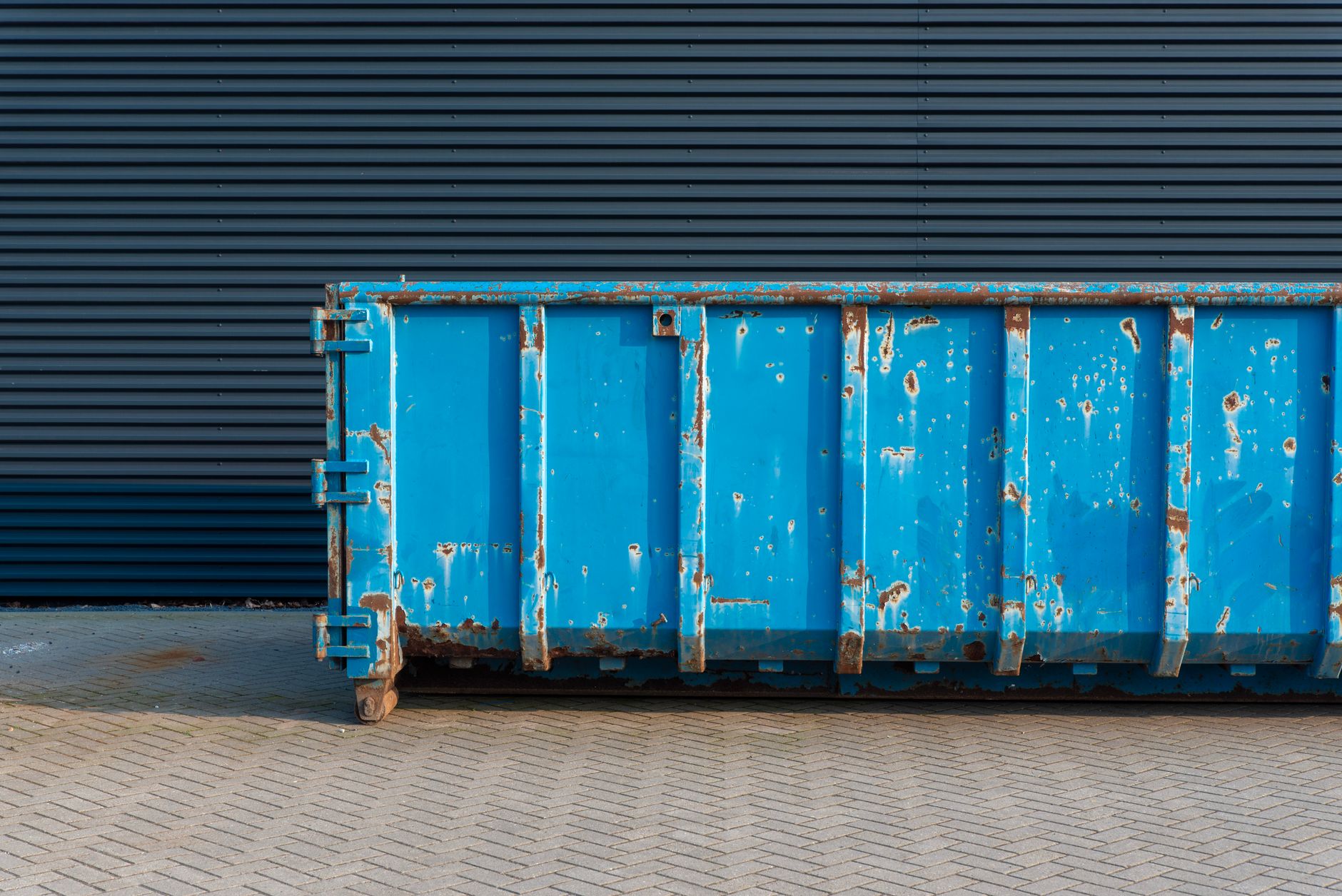
Managing waste efficiently is an important part of residential cleanouts, construction projects, renovations, commercial improvements, and large-scale property maintenance. When ordinary trash containers are no longer large enough for the amount of debris being produced, a temporary waste container can make the entire process considerably easier. Choosing the right dumpster rentals option allows homeowners, contractors, business owners, and property managers to keep work areas organized while reducing the time and effort required to handle unwanted materials. Instead of making repeated trips to a disposal facility, users can place suitable debris into one convenient container and arrange for it to be removed when the project is complete. Understanding how these services work, what factors influence pricing, and how to select the proper container size can help make waste management more efficient and predictable.
Understanding Dumpster Rental Services
Dumpster rentals are designed to provide temporary waste storage for projects that generate more debris than a standard household garbage service can handle. The basic process is straightforward: a container is delivered to a property, filled with approved materials, and collected once the customer no longer needs it. Depending on the provider and project requirements, containers may be available in several sizes and configurations. This flexibility makes them useful for everything from clearing out a garage to managing debris from a major remodeling project. Before ordering a container, it is important to estimate how much waste the project will generate, determine what materials will be discarded, and understand the provider's rules concerning weight limits, prohibited items, rental periods, and placement requirements.One of the biggest advantages of using a temporary waste container is convenience. Large projects can quickly create piles of cardboard, wood, packaging, furniture, drywall, flooring, and other unwanted materials. Leaving debris scattered around a property can create safety hazards, obstruct work areas, and make the project look disorganized. A properly placed container provides a central location where waste can be collected as work progresses. This approach also makes cleanup easier because workers do not have to repeatedly move debris from one area to another. For homeowners, it can simplify demanding cleanout projects, while contractors can maintain a more professional and productive job site.
Choosing the Appropriate Container Size
Container size is one of the most important considerations when arranging waste removal. Selecting a container that is too small can lead to overflow, additional pickups, or the need to order another container, increasing overall costs and delaying the project. On the other hand, choosing a container that is significantly larger than necessary may result in paying for unused capacity. The best approach is to estimate the volume of materials that will be discarded before placing an order. Consider the amount of furniture, construction debris, household junk, yard waste, or other materials involved and allow some extra space for unexpected waste. When uncertain, discussing the project with the rental provider can help determine an appropriate size based on the type and quantity of debris.Different projects naturally require different amounts of disposal capacity. A small home decluttering project may only generate a modest amount of waste, while a kitchen renovation can produce cabinets, flooring, countertops, packaging, and other materials. A roofing or demolition project may generate considerably more debris because of the density and quantity of the materials involved. Contractors should also consider whether several phases of a project will generate waste at different times. In some cases, scheduling multiple smaller containers may be more practical than keeping one oversized container on the property for an extended period. Careful planning can prevent unnecessary expenses while ensuring that workers always have enough space for debris.
What Can Usually Be Disposed Of?
Before filling a rental container, customers should review the provider's accepted-material guidelines. Commonly accepted items may include household junk, furniture, cardboard, paper, wood, certain remodeling debris, flooring materials, and general non-hazardous waste. However, acceptance policies vary between companies, so assumptions can result in additional charges or disposal problems. Certain materials may require special handling because they can be hazardous, environmentally sensitive, unusually heavy, or subject to specific disposal regulations. Paints, chemicals, batteries, tires, certain electronic equipment, medical waste, and other restricted materials may not be permitted in standard containers.Understanding disposal rules before beginning a project is especially important for contractors and property managers. Separating prohibited materials from general debris at the beginning can prevent contamination and make the disposal process more efficient. If a project involves unusual materials, customers should ask the provider whether those items are accepted before placing them into the container. A reputable company should be able to explain its policies clearly and identify any special requirements. Taking a few minutes to confirm these details can prevent unexpected fees and unnecessary delays when the container is collected.
Planning the Placement
Where a container is placed can have a major impact on both convenience and safety. Ideally, it should be positioned on a firm, level surface that provides enough room for delivery and removal. The location should also be accessible to the truck or equipment used by the rental company. Customers should avoid placing containers where they block entrances, emergency access points, pedestrian pathways, or essential driveways. It is also wise to consider overhead obstacles such as tree branches, cables, and structures that could interfere with delivery equipment. Planning the placement before the container arrives helps reduce complications and allows workers to dispose of materials efficiently throughout the project.The surrounding area should remain clear enough for people to move safely around the container. If heavy materials will be loaded frequently, the access path should be stable and free of unnecessary obstacles. Property owners may also want to protect surfaces when placing a container on driveways or other finished areas. Depending on the weight of the container and the materials inside it, surfaces can experience pressure or scratching. Asking the rental company about placement recommendations can help customers choose a suitable location. Good planning not only protects the property but also makes loading and eventual pickup much easier.
Understanding Rental Periods
The rental period should match the expected duration of the project. Some jobs can be completed within a few days, while larger renovations, construction projects, estate cleanouts, or commercial improvements may take several weeks. Customers should ask how long the initial rental period lasts and what happens if additional time is needed. Some providers offer flexible extensions, while others may charge additional daily or weekly fees. Understanding these terms before delivery makes budgeting easier and reduces the risk of unexpected charges.It is also useful to plan the project around the container's arrival and pickup schedule. If the container arrives too early, it may occupy valuable space while work has not yet begun. If it is removed too soon, workers may have to store debris elsewhere or arrange another pickup. Coordinating delivery and collection dates with the project's timeline can make the entire process smoother. For contractors, this planning can be particularly important because multiple jobs may depend on efficient scheduling and predictable waste removal.
Factors That Influence Rental Costs
The cost of dumpster rentals can depend on several factors rather than a single standard rate. Container size, rental duration, debris type, disposal weight, delivery distance, and local disposal charges may all influence the final price. Some providers advertise flat-rate pricing, while others calculate charges based on weight or other factors. Customers should ask for a clear explanation of what is included in the quoted price. Understanding whether delivery, pickup, disposal, taxes, overage charges, and additional rental days are included can make it easier to compare different options fairly.Weight is particularly important when disposing of dense materials. Concrete, bricks, soil, roofing materials, and other heavy debris can reach weight limits quickly even when the container is not completely full. Overloading a container can create transportation and safety problems and may result in additional charges. Customers should never assume that an empty-looking container is automatically within the permitted weight range. If a project involves heavy debris, it is better to discuss the expected material volume and weight with the provider before ordering.
How to Prepare Before Delivery
Preparation can significantly improve the rental experience. Before the container arrives, customers should identify the best placement area, clear away obstacles, review prohibited-material policies, and estimate the amount of waste expected. If the project involves a home cleanout, sorting items before loading can make the process much more efficient. Recyclable materials, donations, reusable furniture, hazardous substances, and general waste can be separated before the container is filled. This reduces unnecessary disposal and can make the overall cleanup more environmentally responsible.For construction and renovation projects, workers should establish a consistent debris-loading routine. Large pieces can often be broken down when appropriate so that available space is used efficiently. Materials should be distributed evenly rather than piled heavily on one side. Customers should also avoid loading materials above the container's designated fill line. Keeping the debris level and secure helps ensure that the container can be transported safely. Proper loading practices protect workers, property, vehicles, and other people who may be near the container during pickup.
Comparing Providers Before Making a Decision
Not every waste container provider offers the same combination of services, pricing, container sizes, or customer support. Comparing several companies can help customers identify a service that fits their particular project. Look at more than the advertised base price. Consider the rental period, including weight allowance, container dimensions, prohibited materials, additional charges, delivery procedures, and pickup policies. A company with a slightly higher initial price may ultimately provide better value if its pricing is more transparent and its service is more flexible.Customer service can also be an important consideration. A reliable provider should communicate clearly about delivery times, container specifications, loading requirements, and pickup arrangements. Reviews and recommendations can provide useful insight into whether a company consistently delivers containers on time and handles pickups efficiently. Customers should be cautious of providers that are unwilling to explain their pricing or disposal policies. Clear communication before the rental begins can prevent many problems later in the project.
Making Waste Management More Efficient
Effective waste management is not simply about having a large container available. It involves planning how materials will be collected, sorted, loaded, and removed. Creating a basic disposal strategy before work begins can save both time and money. Workers should know which materials belong in the container and which need to be handled separately. Keeping the work area organized also reduces the risk of accidents and makes it easier to identify reusable or recyclable materials.For larger projects, it can be helpful to monitor the amount of debris generated throughout the job. If waste is accumulating faster than expected, the project manager can contact the provider before the container becomes overloaded. Likewise, if the project is nearing completion and the container is only partially filled, coordinating an earlier pickup may free valuable space. Regular attention to waste volume allows customers to make practical decisions rather than waiting until disposal becomes an urgent problem.
Environmental Considerations
Responsible disposal should be an important part of any waste management plan. Many discarded materials can potentially be recycled, reused, donated, or processed through specialized facilities rather than sent directly to a landfill. Separating recyclable materials before loading a general waste container can help reduce unnecessary landfill use. Items such as clean cardboard, scrap metal, certain plastics, and reusable household goods may have alternative disposal options depending on local programs and provider policies.Customers should also pay attention to hazardous materials and electronic waste. These items may require specialized collection rather than placement in a standard container. Proper disposal protects the environment and reduces risks to workers and communities. When customers understand what can and cannot go into a container, they can make more responsible choices throughout the project. Asking the provider about recycling and disposal practices can also help customers choose a service that aligns with their environmental priorities.
Common Mistakes to Avoid
Several mistakes can make a waste container rental more expensive or less convenient than expected. Ordering a container without estimating the amount of debris is one common problem because customers may end up with insufficient capacity or pay for unnecessary space. Another mistake is failing to review prohibited-material policies before loading the container. Restricted items can result in additional charges or require separate disposal arrangements. Customers should also avoid exceeding weight limits, blocking access to the container, or allowing debris to extend above the permitted fill level.Waiting until the last minute to schedule delivery can create another unnecessary challenge. During busy periods, preferred container sizes or delivery dates may not be immediately available. Scheduling ahead gives customers more flexibility and allows them to coordinate the container with their project timeline. It is equally important to communicate changes promptly. If a project takes longer than expected or finishes earlier, contacting the provider in advance can help adjust pickup arrangements and avoid unnecessary rental charges.
Final Thoughts
A well-planned waste removal service can make demanding cleanup, renovation, construction, and property maintenance projects much easier to manage. The key is to evaluate the project's waste volume, choose an appropriate container size, understand accepted materials, prepare a safe placement area, and review the complete pricing structure before scheduling delivery. When customers take time to understand rental terms and disposal requirements, they can avoid many common problems and keep their projects moving efficiently. The right dumpster rentals service can provide a practical solution for temporary waste management while helping maintain a cleaner, safer, and more organized work environment.Whether the project involves a small household cleanout or a substantial construction job, preparation remains the foundation of successful waste management. Estimate the debris carefully, separate materials when appropriate, follow loading requirements, and communicate clearly with the provider. Comparing services based on total value rather than advertised price alone can also lead to better results. With thoughtful planning and responsible disposal practices, dumpster rentals can simplify the cleanup process, reduce unnecessary trips to disposal facilities, and give homeowners and professionals a convenient way to manage large amounts of waste from beginning to end.