

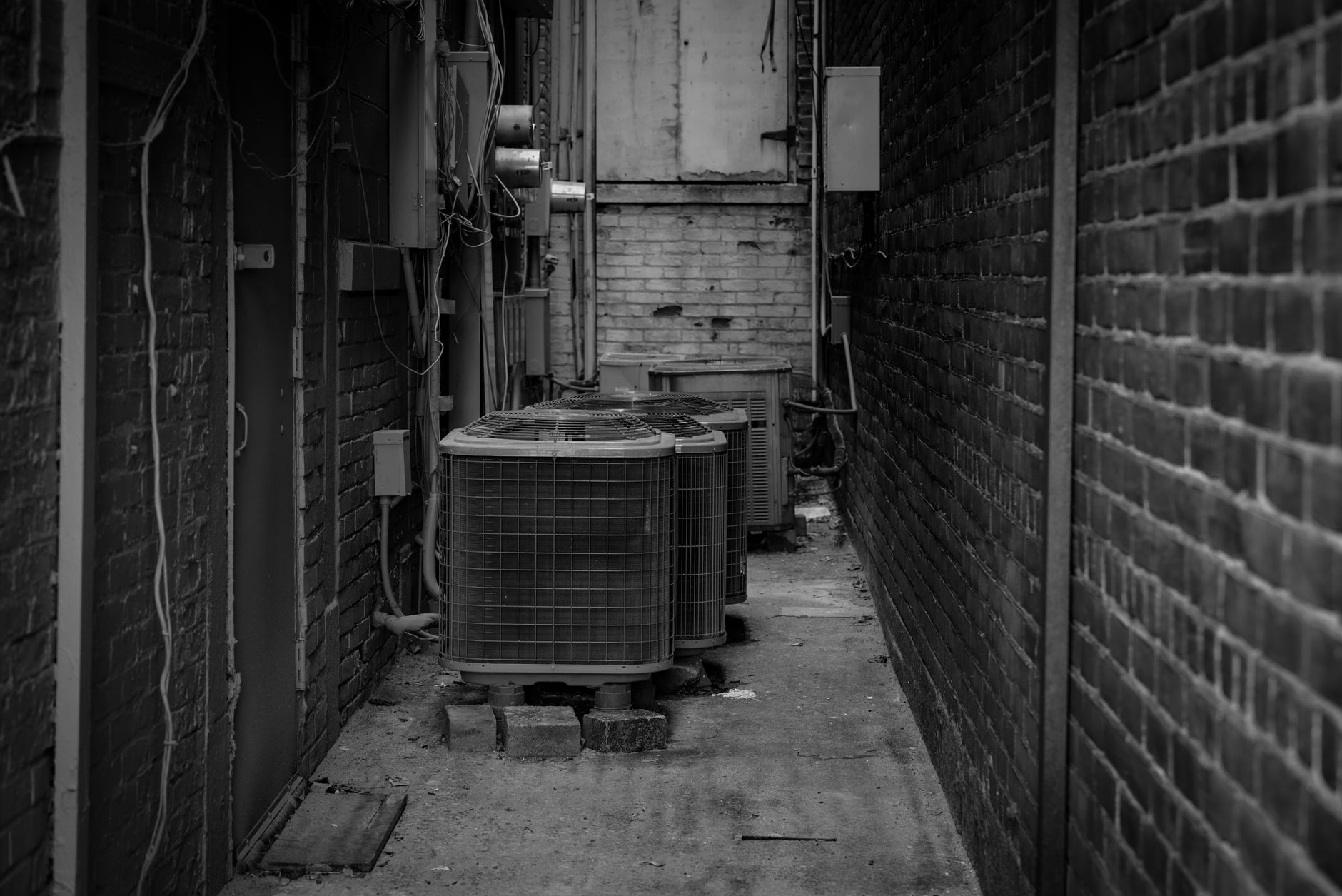
Heat, humidity, pine pollen, and occasional cold snaps can push a home’s heating and cooling system to its limits in Southeast Alabama. When a system struggles, small clues often appear before a complete breakdown, including short cycling, warm supply air, ice on the suction line, musty odors, or water near the indoor unit. Acting on these signs early can help prevent damage to compressors, blower motors, and circuit boards. This guide explains what specific noises, smells, and operating patterns may indicate, what you can safely check, and when it is smarter to shut the system down and call a professional. You will learn how filters, ductwork, refrigerant charge, condensate drains, and electrical components such as capacitors and contactors work together to keep your home comfortable in this climate.
1. Warm Air, Weak Airflow, or Rooms That Never Reach the Setpoint
If your thermostat shows the system is cooling, but the supply vents are blowing lukewarm air, start with airflow. Check the return grille for heavy dust buildup, and make sure the filter is installed correctly and hasn’t collapsed. A high MERV filter can help capture pollen, but if it is too restrictive for the blower and duct system, it can reduce airflow and make the evaporator coil excessively cold. Also confirm that supply registers and any accessible manual dampers are open in rooms that remain uncomfortable. Leaking return ducts in a hot attic can pull unconditioned air into the system, reducing cooling performance by the time air reaches distant rooms.
If simple checks don’t restore normal airflow, schedule local help through Professional HVAC Repair in Ashford, AL before a small restriction puts extra strain on the blower motor or compressor. Technicians can measure static pressure, verify blower settings, inspect the evaporator coil for dirt buildup, and evaluate duct leakage around the plenum and takeoffs. If the outdoor condenser is running but cooling remains weak, a technician may also measure superheat and subcooling to determine whether refrigerant charge or a metering device is contributing to the problem.
2. Short Cycling, Hard Starts, and Breaker Trips
Short cycling occurs when the system starts and stops too frequently, sometimes running for only a few minutes at a time. During humid Southeast Alabama summers, short cycles can leave indoor air feeling sticky because the evaporator coil doesn’t stay cold long enough to remove enough moisture. Possible causes include oversized equipment, a dirty condenser coil, a weak run capacitor, restricted airflow, or a thermostat positioned where direct sunlight or supply air affects its readings. If the problem begins after yard work, inspect the outdoor coil for grass clippings or debris. If it starts after a power interruption, electrical components such as the capacitor or contactor may have been stressed.
A hard start may sound like a heavy groan or may cause lights to dim briefly when cooling begins. A tripped breaker can also follow it. Repeatedly resetting the breaker is unsafe because it may conceal a failing capacitor, damaged contactor, compressor problem, or excessive operating pressure caused by poor condenser airflow. After a power interruption, allow several minutes before restarting the system so that refrigerant pressures can equalize. If the condenser fan hums but doesn’t spin normally, shut the system off and arrange professional service. Repeated attempts to start the equipment can overheat electrical windings and create additional damage.
3. Ice, Condensation, and Drainage Issues in Humid Weather
Ice on the suction line or frost on the evaporator coil usually points to restricted airflow or a refrigerant-related problem. Turn cooling off at the thermostat and use the fan setting, when appropriate, to help the coil thaw. Do not chip away the ice or apply heat, as this can damage delicate coil fins or other components. After the coil has thawed, replace a visibly dirty filter and make sure return grilles are not blocked. If icing returns, a licensed technician should check for duct restrictions, measure the temperature difference across the coil, and evaluate refrigerant charge and metering device operation.
Water in the secondary drain pan or a system that stops cooling even though the blower still operates may indicate a clogged condensate drain and an activated float switch. In Southeast Alabama’s humid climate, algae and debris can build up inside the drain line. With the system safely turned off, you may be able to clear an accessible drain line using a wet/dry vacuum at the outdoor termination. Follow manufacturer recommendations for routine drain maintenance rather than using harsh chemicals. Persistent backups may point to improper drain slope, a blocked trap, a damaged drain pan, or another issue that requires professional evaluation.
4. Smells and Sounds That Point to Electrical or Mechanical Wear
A sharp electrical odor or visible sparking near the air handler requires immediate shutdown at the appropriate disconnect or breaker. A brief dusty smell when electric heat operates for the first time after a long period may occur as settled dust warms, but a persistent burning odor can indicate an electrical or mechanical problem. Possible causes include an overheating blower motor, loose wiring, or damaged electrical contacts. A musty or sour odor during cooling may come from moisture and organic buildup on the evaporator coil, in the drain pan, or elsewhere in the air-handling system. Cleaning affected components and keeping drainage clear may help address the underlying moisture source.
Grinding or scraping sounds may indicate that a blower wheel is rubbing or that a motor bearing is deteriorating. A high-pitched squeal can come from motor or blower problems, while older belt-driven systems may develop noise from worn or misaligned belts. Outdoors, rattling may come from loose panels or fan components, while a repeated clanking sound deserves closer inspection. Whistling near a return grille often suggests excessive airflow resistance, a gap around the filter or grille, or an undersized return opening. Continuing to operate the system under abnormal conditions can increase wear on motors, ducts, and other components.
3. After the Fix: Steps to Protect System Efficiency in the Wiregrass
After repairs, maintaining proper airflow and clean heat transfer surfaces can help keep the system operating efficiently. Check one-inch filters regularly during peak cooling season, and replace them when they become visibly loaded or per manufacturer guidance. Vacuum return grilles to prevent dust buildup and reduced airflow. There is a balance between filtration and resistance. A higher MERV filter captures smaller particles, but it may create too much pressure drop if the return system and filter cabinet were not designed for it. A technician can recommend a filter that suits the equipment and duct system.
Keep adequate clearance around the outdoor condenser and remove leaves, grass, and vegetation that interfere with airflow. Avoid closing supply registers to force more air into another room, because it can increase static pressure and contribute to airflow problems. Ceiling fans can improve comfort without requiring large thermostat changes. Keep the condensate drainage system maintained according to equipment recommendations, especially during the most humid months. If you notice recurring icing, rising utility bills, weaker airflow, or declining comfort, ask a technician to check airflow, duct leakage, coil condition, and refrigerant performance rather than assuming the system simply needs more refrigerant.
Catch Small HVAC Problems Before They Become Larger Repairs
Paying attention to how your HVAC system starts, runs, cools, heats, and drains can reveal problems long before you lose comfort completely. In Southeast Alabama’s heat and humidity, airflow, clean coils, clear condensate drainage, and healthy electrical components all work together to control temperature and indoor moisture. If simple homeowner checks don’t resolve warm air, repeated cycling, unusual odors, or water problems, shut the equipment down when needed and call a licensed professional to protect expensive components and reduce downtime. Consistent filter care, outdoor unit maintenance, and attention to drainage can also help the system operate more reliably through the region’s longest cooling periods.








1 thought on “Diagnosing Common HVAC Symptoms in Southeast Alabama Homes Before You Call”
Comments are closed.