

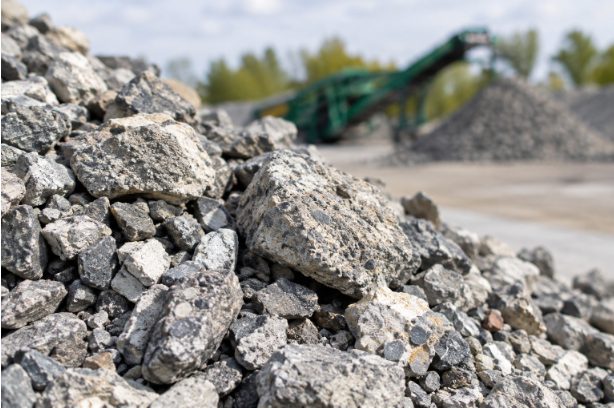
In Jacksonville, Florida, demolition and sitework projects often generate large volumes of broken concrete, old pavement, curbing, sidewalks, and foundations. Rather than treating every load as waste, project teams can evaluate whether clean material could serve as a useful construction input. Contractors and property owners looking for recycled concrete for sale can start by understanding how source material, processing, and project specifications affect the finished product.
That approach is especially practical in a growing coastal city where parking lots, commercial sites, utility work, road repairs, and redevelopment can create a steady need for base and fill materials. Reuse is not automatic, and it is not a substitute for engineering review. When crews keep concrete and asphalt clean, separate materials early, and match them to appropriate applications, demolition debris can be returned to productive use.
Why Recycling Matters on Jacksonville Jobsites
Construction and demolition materials include the debris created when buildings, roads, bridges, and other structures are built, renovated, or removed. Concrete, asphalt, brick, metal, soil, and wood can all appear in the same project stream. The sustainable management of construction and demolition materials recognizes that recovered material can support new building and infrastructure work while reducing the need to mine and process virgin resources.
For Jacksonville projects, the practical goal is straightforward: move clean, suitable aggregate toward a useful next use rather than mixing it into general debris. That can help preserve disposal capacity and may reduce unnecessary hauling or purchases when a recycled product meets the job's needs.
Materials That Can Be Reused
The most recoverable materials are generally those that remain clean and separate during removal. Concrete from slabs, curbs, foundations, sidewalks, and pavement can be crushed into graded aggregate. Removed asphalt from driveways, parking areas, and road milling can be processed for use in suitable pavement or base applications. Reinforcing steel can often be removed magnetically during crushing and recovered separately.
Not every load is ready for reuse. Soil, fines, wood, insulation, trash, glass, paint, and other mixed debris can affect the quality of processed aggregate. Materials suspected of containing asbestos, lead-based coatings, chemicals, or other regulated contaminants need separate handling. Concrete and asphalt recycling should never be used to disguise or manage hazardous waste.
How Concrete and Asphalt Recycling Works
The process begins when crews break, mill, or excavate an existing surface. Loads are sorted to separate concrete, asphalt, metal, soil, and unacceptable debris. Large pieces are then moved through crushing equipment, while screens divide the crushed material into specified sizes. Magnets can remove reinforcing steel and other ferrous metals.
After processing, the aggregate may be stockpiled by gradation and evaluated for cleanliness, particle size, moisture, compaction characteristics, and other project requirements. Processing can occur at a central facility or, on larger sites with sufficient space and volume, through mobile equipment. The right method depends on the material source, the intended use, available logistics, and local requirements.
Common Uses for Recycled Aggregate
Recycled concrete and asphalt products can serve many construction purposes when their properties fit the design. Common uses include:
- Road, driveway, and parking area base
- Subbase beneath pavement or slabs
- Trench backfill and pipe-zone applications, when specified
- Temporary access roads and construction entrances
- Drainage layers, shoulder material, embankments, and general fill
- Approved new asphalt or concrete mixtures
Base and fill applications often allow more flexibility than new structural concrete or asphalt mixtures. Higher-performance uses can require tighter gradation control, additional testing, and approval by the project engineer. The Federal Highway Administration notes that the principal U.S. application for recycled concrete aggregate has been as base material, while use in new pavement mixtures is more dependent on specifications and quality controls.
Benefits Beyond Waste Reduction
Recycling can offer value beyond keeping rubble out of disposal sites. Clean material streams may reduce demand for virgin stone in suitable applications, simplify jobsite housekeeping, and create a closer match between demolition output and reconstruction needs. Financial results vary, however. Hauling distance, tipping fees, processing costs, local supply, material quality, and project timing all affect whether recycling offers a cost advantage.
Consider a Jacksonville parking lot replacement. A crew removes deteriorated concrete and asphalt, keeps the loads free from trash and unsuitable material, and sends them for processing. If the resulting aggregate meets the design requirements, it may be returned as the base beneath the rebuilt lot. That is a practical loop, but only after the material is checked against the project specifications.
Quality Control and Testing
Appearance alone cannot confirm whether recycled aggregate is appropriate. Quality control begins with the source material and continues through crushing, screening, stockpiling, delivery, and placement. Teams should review contamination, particle-size distribution, moisture content, compaction requirements, durability considerations, and the specifications governing the proposed use.
Consistency matters because recycled aggregate can vary from load to load. Separating material at demolition, preventing new contamination in stockpiles, and maintaining clear product sizes make the finished aggregate more predictable. When testing or an engineer review is required, it should happen before the material is incorporated into the work.
How to Plan for Recycling on a Jobsite
- Identify concrete, asphalt, metal, soil, and mixed debris during the early project review.
- Estimate the quantity and condition of recyclable material.
- Set aside clean rubble from trash, wood, hazardous materials, and unsuitable soil.
- Decide whether the material will be processed on-site or transported elsewhere.
- Confirm hauling access, staging space, delivery timing, and stockpile protection.
- Review municipal, state, owner, and engineer requirements before reuse.
- Keep weight tickets, inspection notes, and test documentation as required by the project.
Early planning often creates more options than last-minute crushing decisions. A clean, well-managed material stream is easier to process and more likely to be suitable for a useful application.
Common Mistakes to Avoid
Projects can lose recycling options by mixing concrete with household trash, assuming every recycled product replaces virgin aggregate in every setting, skipping testing, or waiting until demolition is underway to arrange transportation. Crews should also account for drainage, moisture, and compaction requirements rather than treating crushed material as interchangeable fill.
Questions Readers Often Ask
Can broken concrete be used again?
Yes. Clean concrete can be sorted, crushed, screened, and used for base, fill, backfill, drainage, or other approved applications.
Can asphalt become new pavement?
Reclaimed asphalt pavement can be processed for incorporation into new asphalt mixtures or used in appropriate base applications when it meets the applicable specifications.
Does recycling always save money?
No. A complete comparison should consider disposal, hauling, processing, purchase costs, material quality, and the requirements of the finished project.
A Practical Resource for Jacksonville Projects
Concrete and asphalt debris can become a valuable construction resource when Jacksonville projects plan ahead, keep material clean, and select uses that fit the finished product. Recycling works best as a disciplined material-management practice supported by clear specifications, careful testing, and organized jobsite operations.








1 thought on “From Demolition Debris to Jobsite Resource: A Jacksonville, Florida Guide to Recycled Concrete and Asphalt”
Comments are closed.