A room can look ready for paint, yet small flaws in its surface, product choice, or application show up once the work dries. A weekend project also has to fit around weather, preparation, and cleanup, which can stretch a simple refresh into a longer job. Professional painting brings a planned process to these details, starting with the condition of the surface.
They Prepare Surfaces Before Painting
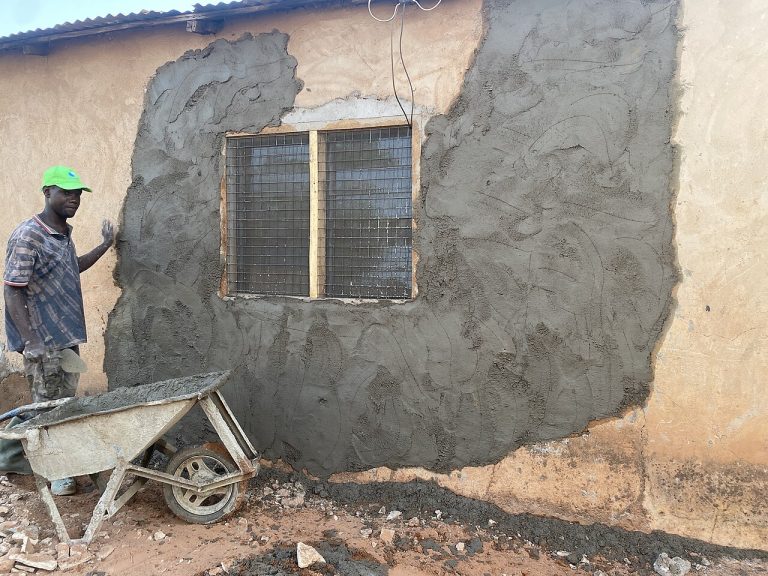
Paint does not hide every defect. Dust, loose coatings, dents, and uneven plaster can affect how well a new finish looks and holds. A professional checks the surface first, then chooses the preparation needed rather than applying paint over an unresolved problem.
That work can include cleaning, scraping, sanding, filling and smoothing. Where plaster is damaged or uneven, repair may need to happen before painting. Skipping preparation saves time at the outset, but it often leaves bumps, rough edges or visible patches in the finished room.
Different surfaces also need different treatment. Timber, plasterboard, previously painted walls and exterior cladding do not all take paint in the same way. A painter assesses the material and its condition before choosing a suitable primer or coating.
They Match Paint and Method to the Job
Choosing a colour is only one part of selecting paint. The surface, room use and exposure to moisture or sunlight also matter. A product suited to an interior wall is not automatically the right choice for an exterior surface or a roof.
Homeowners comparing quotes from painters in Wellington should ask what preparation and coating each job includes. A clear scope names the surfaces to be painted, notes repairs that fall outside the painting work and explains how areas will be protected. This makes quotes easier to compare and reduces surprises after work begins.
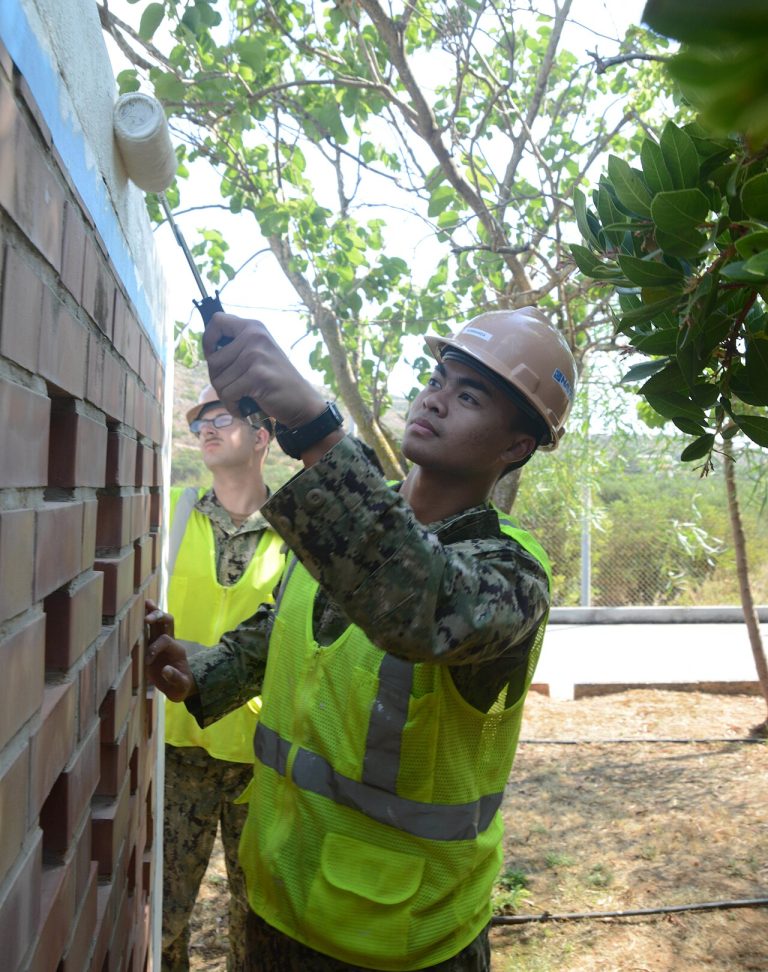
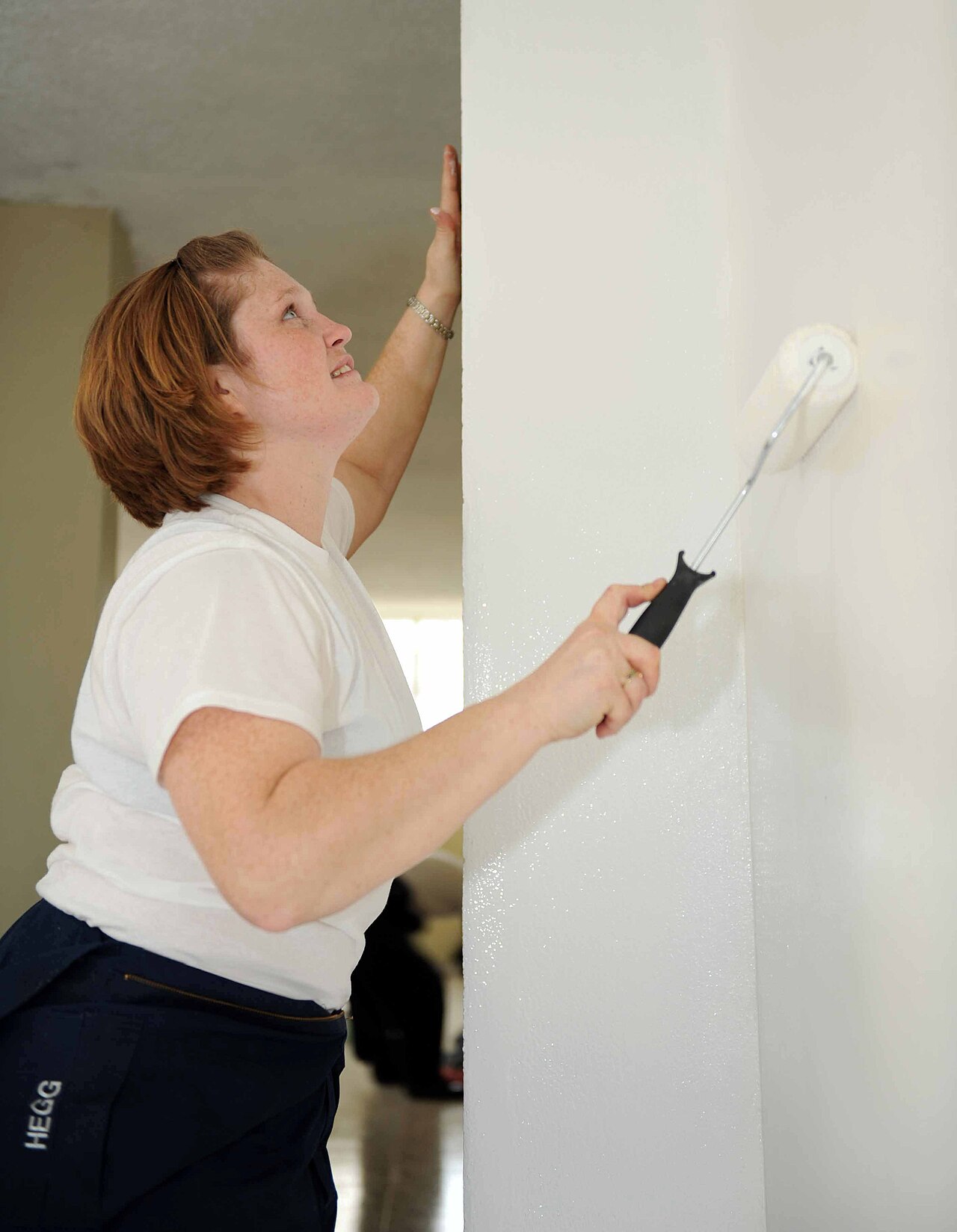
Application matters too. A professional selects brushes, rollers or spraying methods to suit the surface and finish. Consistent coverage requires an even pace and attention to edges, corners and changes in light. These details are difficult to maintain when a DIY painter is working in short sessions around other commitments.
They Plan Around Wellington Conditions
Exterior painting depends on suitable conditions. Rain, damp surfaces, wind and temperature can affect preparation, application and drying. Wellington’s changeable weather makes timing especially relevant: a forecast is useful, but the surface itself still needs checking before work proceeds.
A professional plans the sequence of exterior tasks and avoids applying coatings to surfaces that are wet or unsuitable. That can mean adjusting the schedule rather than rushing to meet a weekend deadline. For a homeowner, the practical question is whether the work plan allows enough time for preparation and drying between stages.
Weather also affects how exposed parts of a home are handled. A painter can assess the condition of cladding and other painted surfaces, then discuss which areas need attention first. This helps avoid spending time on a fresh coat while leaving damaged or poorly prepared sections underneath.
They Keep the Work Area Controlled
Painting involves more than the wall. Floors, furniture, fittings and nearby surfaces need protection, and tools and materials need to stay organised. A professional sets up the work area before opening paint, reducing the chance of splashes, dust or accidental marks.
During the job, a tidy setup helps keep rooms usable and makes it easier to maintain a consistent finish. Masking, drop sheets and careful handling of equipment all take time, but they prevent avoidable cleanup and damage. At the end, tools and coverings are removed, and paint residue is dealt with appropriately.
This is one of the clearest differences between a planned job and a rushed DIY session. The painter accounts for preparation and pack-down in the schedule, rather than treating them as optional tasks after the visible work is done.
They Check the Finish and Close Out the Job
A finished wall can look different in daylight than it does under a work light. Professionals inspect the work for missed spots, uneven coverage, rough edges, and paint on adjacent surfaces. They can then address small defects before packing away, rather than leaving the homeowner to notice them later.
Before booking, agree on which rooms or surfaces are included, what preparation is expected, and how access will work. Ask who supplies materials and what happens if the painter finds damage that needs repair. Clear answers help set realistic expectations without assuming that every repair is part of the painting price.
A practical handover also gives you a chance to check the completed areas and raise any concerns while the job is still fresh. Keep any leftover product details or care advice with your home records, so future touch-ups are easier to plan.
Conclusion
A professional paint job depends on preparation, suitable materials, careful timing, and a final inspection, not simply on how quickly paint reaches the wall. Before choosing a painter, compare the written scope and ask how surface repairs, weather delays, and cleanup will be handled. That conversation helps you judge the full job, set a realistic schedule, and avoid paying twice for preventable mistakes.