Choosing a heat recovery system for ventilation involves more than comparing airflow or price. Controls, layout, and installation requirements all affect how well a unit suits a home or office. European equipment can include options that are less common in basic systems, but ranges differ. Knowing what to compare helps you decide whether those features matter for your building and how you use it.
Controls That Respond to Conditions
Compare systems by their controls and installation needs, rather than by where they are made. For buyers researching European ventilation units in NZ, the listed range groups equipment by size and describes differences such as pressure sensing, touch controls, humidity probes, Wi-Fi and decentralised through-wall operation. These details give you practical questions to raise before choosing a unit for your floor plan.
A basic system may run at a fixed setting or use simple manual controls. More advanced controls respond to conditions such as humidity or pressure or let occupants adjust operation at a panel or through a connected interface. These functions suit buildings where occupancy and moisture levels change during the day, but they do not replace sound system design.
Check what each sensor measures and how the system responds. Ask whether it changes fan speed automatically, whether occupants can adjust settings locally, and what happens after a power interruption. Clear answers make it easier to compare how systems work in practice, rather than relying on a list of controls.
Heat Recovery and Installation Choices
Heat recovery transfers some heat from outgoing air to incoming fresh air. The system still needs to remove stale air and bring fresh air inside, using ductwork or other air paths suited to the building. European product ranges include centralised units and decentralised options, which can affect the scale of installation work.
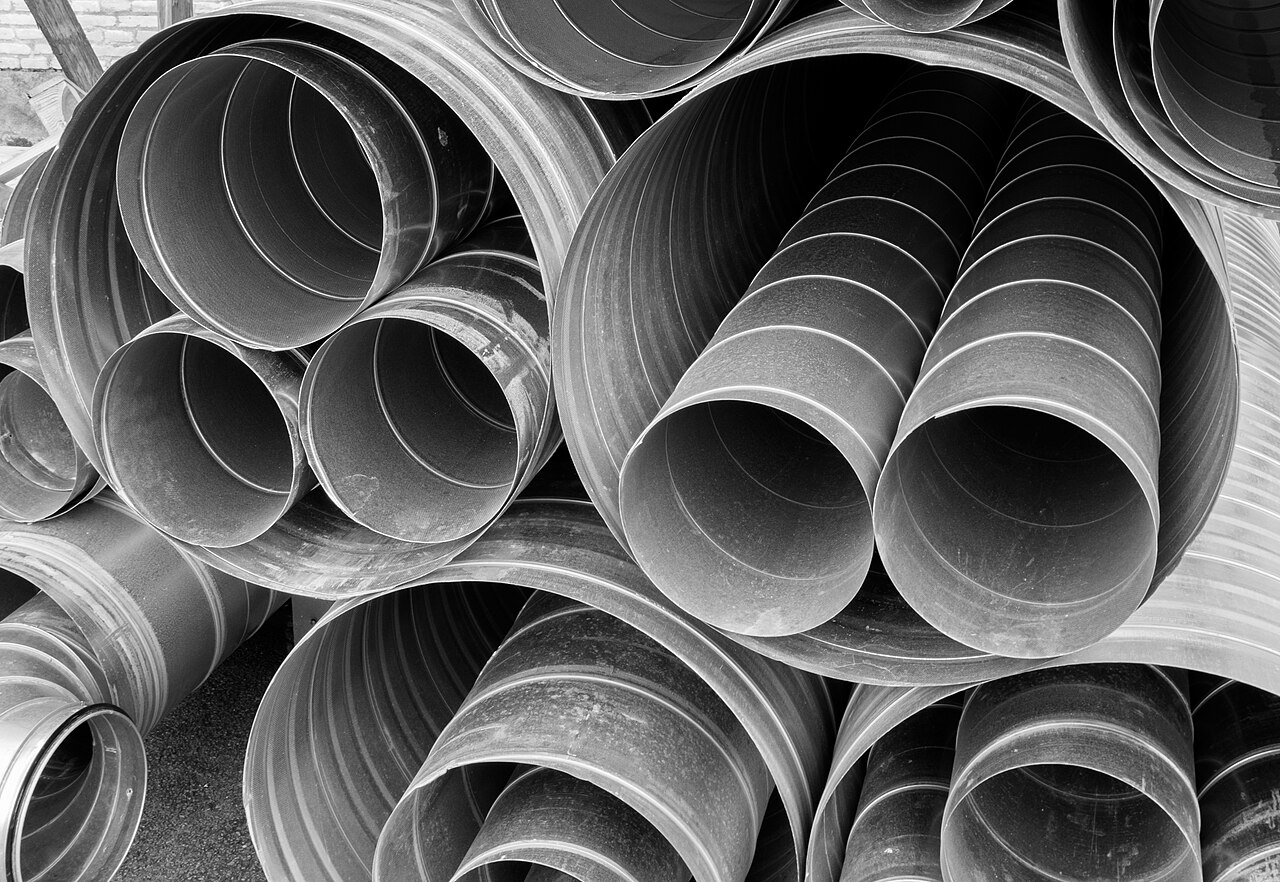
A centralised unit usually connects to several rooms through ducts. It needs space for the unit and careful planning for duct routes, supply points, and extract points. A through-wall unit ventilates a room locally, which can suit a building where duct installation is difficult. Each approach solves a different layout problem, so compare them with your construction or renovation plans.
Heat recovery performance alone does not show whether a system suits a home. Consider where the unit will sit, how easily occupants can reach its filters, and how air will move through rooms when doors are closed. A designer or installer can check that the proposed layout supports balanced ventilation without causing draughts or unwanted noise.
Airflow Selection and Commissioning
Choose a unit to meet the building’s ventilation needs, not by its headline capacity alone. Room use, occupancy, moisture sources, and duct resistance all affect the airflow needed at each supply and extract point. An undersized or oversized unit can make comfort and control harder to manage.
Before choosing a system, ask the supplier or installer:
- Which rooms receive fresh air, and which rooms extract stale air?
- How will the unit and duct routes fit within the building?
- Which control settings suit changing occupancy and moisture levels?
- Who measures and adjusts airflow after installation?
Commissioning matters because the system must deliver the intended airflow through the installed ductwork. Ask how the installer balances the system and whether you will receive the final settings. A controller with several modes is useful only if its settings suit the building and its occupants.
Sound matters in rooms where people sleep, work, or relax. The unit’s location, duct design, and airflow settings all affect noise levels. Review these details before installation, since correcting poor placement or unsuitable duct routes later is harder.
Maintenance and Ongoing Use
Heat recovery systems need routine care. Filters collect dust and other particles, so check how to access them, how often the manufacturer recommends inspection, and where replacements are available. A unit that is difficult to reach makes routine maintenance less convenient, even if its controls are sophisticated.
Ask how the system alerts occupants when filters need attention and whether the reminder follows a fixed schedule or a measured condition. Confirm which components need cleaning and whether the owner can handle those tasks safely. Keep the instructions and record maintenance so future occupants know what has been done.
Local service support also matters. Before buying, confirm who can diagnose faults, obtain parts, and explain the specific model’s controls. European manufacture does not guarantee convenient parts or service in New Zealand. Compare the product documentation and support arrangements alongside the unit’s controls and installation format.
Conclusion
European ventilation units offer choices in controls, sensing and installation format, but these features matter only if they suit the building. Compare the airflow plan, duct or through-wall arrangement, maintenance access and local service support before choosing a system. Ask the installer how they will balance and configure it after fitting. That practical check is more useful than choosing a unit based on its origin alone.