

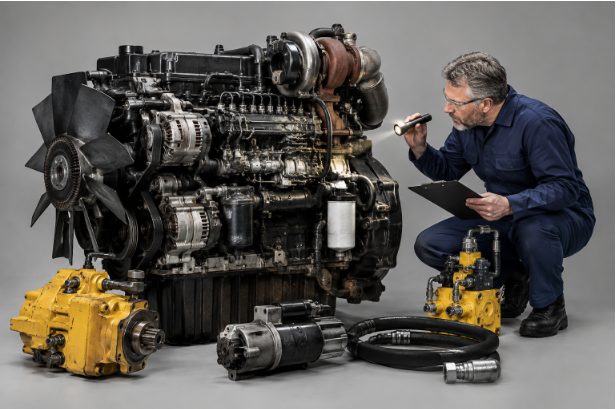
Older diesel machines can remain valuable assets when owners manage them based on condition, workload, and repair history rather than age alone. Whether a fleet relies on generators, agricultural machinery, marine engines, or construction equipment, a dependable maintenance process can extend service life and reduce surprise downtime. For example, owners considering a replacement powerplant may compare specifications and fitment options for a CAT 3306 engine alongside the condition of the existing machine.
The goal is not to keep every aging machine in operation indefinitely. It is to make timely, well-documented decisions that protect operators, control costs, and preserve productivity. A practical plan combines routine inspections, proper fluid service, operator feedback, parts planning, and an honest review of whether repair, rebuild, retrofit, or replacement offers the best value.
Why Legacy Equipment Still Matters
Legacy diesel equipment often earns its place because it is familiar, durable, and suited to demanding work. Many older machines have straightforward mechanical systems, and operators may already understand their normal sounds, operating limits, and service needs. That familiarity has value, but it should never replace inspection or preventive maintenance.
Two machines with the same model year can have very different futures. One may have steady oil pressure, clean records, sound cooling performance, and a manageable repair history. Another may show repeated overheating, fuel contamination, electrical problems, or missing documentation. The second machine warrants a more cautious financial review, even if both units are still running.
Start With Equipment Condition
Before planning major repairs, inspect the complete machine rather than focusing only on the engine. Review operating hours, recent workload, repair invoices, and operator notes. Look for fresh oil, fuel, coolant, or hydraulic leaks, then inspect hoses, belts, wiring, mounts, clamps, and fasteners.
During startup and operation, pay attention to hard starting, unusual smoke, vibration, warning lights, slow cranking, abnormal noise, and temperature changes. Confirm that guards, alarms, lights, emergency shutdowns, and other safety equipment work as intended. A machine that produces power but has unreliable safety systems is not ready for dependable work.
Build A Simple Maintenance Schedule
A useful service schedule uses both engine hours and calendar time. Equipment that sits for long periods can develop fuel, battery, seal, and moisture-related problems even after accumulating a few hours. Equipment operating in heat, dust, cold, heavy loads, or remote locations may require more frequent attention than a general interval would suggest.
Daily Checks
- Check engine oil, coolant, fuel, and hydraulic fluid levels before startup.
- Inspect for new leaks, loose connections, damaged belts, and worn hoses.
- Look at the air cleaner area, radiator, battery cables, and visible wiring.
- Record smoke, noise, vibration, or temperature changes reported by the operator.
Weekly, Monthly, And Hour-Based Service
- Clean debris from cooling and air intake areas.
- Inspect battery terminals, starting cables, and charging connections.
- Drain water separators when the fuel system is equipped with them.
- Change fluids and filters at intervals appropriate for the engine and operating conditions.
- Test coolant condition and retain fluid samples when the machine works under sustained heavy loads.
Inspect The Core Engine Systems
Fuel And Air
Clean fuel handling helps protect pumps and injectors from water and sediment. Keep storage tanks clean, maintain filters, and investigate signs of air entering the fuel system. On the air side, inspect filters, intake piping, clamps, turbocharger connections, and exhaust joints. Restrictions or leaks can reduce power, increase smoke, and make the engine work harder.
Cooling And Lubrication
Overheating should always be treated as a warning that needs a cause, not a temporary workaround. Check coolant level, radiator cleanliness, fan belts, hoses, water pump areas, and airflow through the cooler stack. Also, use the correct oil grade, monitor oil level changes, and investigate fuel dilution, metal particles, or sudden oil loss. Oil analysis can help determine whether wear is stable or worsening.
Watch For Early Warning Signs
- Hard starting: Check batteries, cable connections, fuel delivery, and cold-start components.
- White smoke: Review engine temperature, fuel delivery, compression, and injection timing.
- Black smoke: Inspect air supply, engine loading, injectors, turbocharger performance, and intake restrictions.
- Blue smoke: Investigate oil consumption, worn internal components, valve seals, or turbocharger issues.
- Low power: Check filters, fuel pressure, intake leaks, boost piping, and exhaust flow.
- New vibration: Inspect mounts, driven accessories, couplings, and driveline components.
Use Maintenance To Reduce Downtime
Planned maintenance should focus first on failures that can stop a job. List every machine by its operating role and how difficult it would be to replace temporarily. Keep reasonable stocks of commonly needed filters, belts, hoses, gaskets, fuses, relays, and electrical connectors for critical assets.
Record repair hours, parts costs, failure symptoms, and repeat work. These records turn vague concerns into usable information. If the same machine repeatedly needs emergency attention, the issue may be a deeper system problem or a sign that the fleet needs a different replacement strategy.
Improve Emissions Without Guesswork
Sound maintenance supports cleaner operation. Avoid unnecessary idling, repair leaks promptly, keep cooling passages and air filters clean, and train operators not to overload or excessively lug the engine. In enclosed or poorly ventilated areas, diesel exhaust also deserves special attention because it can expose workers to harmful gases and particulate matter. OSHA identifies diesel exhaust as a workplace hazard for people around heavy equipment and maintenance operations, so ventilation and safe work practices should be part of the maintenance plan.
Do not make unverified exhaust or fuel-system modifications. When considering retrofit options, review verified clean diesel technologies and confirm compatibility with the engine, equipment application, and applicable local requirements.
Decide When To Repair, Rebuild, Or Replace
Repair may be appropriate when the issue is isolated, parts are available, and the engine, frame, cooling system, transmission, and hydraulics remain sound. Rebuild can make sense when internal engine wear is significant, but the rest of the machine still has a productive role, and support is available.
Replacement deserves serious consideration when failures affect several major systems, parts delays disrupt operations, safety problems cannot be reasonably corrected, or downtime and fuel use are harming productivity. Consider the full cost, including lost work time, rental needs, labor, transport, and future parts availability, rather than comparing only the next repair invoice.
Create An Action Plan
- Inspect each machine and document the engine and machine condition.
- Separate urgent safety repairs from performance and convenience items.
- Estimate parts, labor, downtime, and backup-equipment needs.
- Schedule critical work before the next high-demand season.
- Save invoices, fluid reports, inspection forms, and operator notes.
- Review actual costs after repairs and update the repair, rebuild, or replacement decision.
Conclusion
Legacy diesel equipment can remain productive with disciplined inspections, consistent service, safe operation, and realistic cost review. The best maintenance program does more than keep machines running today. It gives owners the information needed to decide when continued repair is worthwhile and when a different long-term solution is the smarter move.










1 thought on “How To Keep Legacy Diesel Equipment Ready For Work”
Comments are closed.